
Photo Source: Pexels
Choosing the right materials for your home’s exterior involves more than simply matching colors or styles. Your selections must balance aesthetics, durability, maintenance requirements, and the climate where you live. From roofing to siding, windows to doors, each component plays a role in weather resistance, energy efficiency, and curb appeal. This guide explores the key factors to consider when planning an exterior update. By understanding the strengths and limitations of various materials, you can make informed decisions that protect your investment and create the look you envision.
Importance of Picking the Right Material
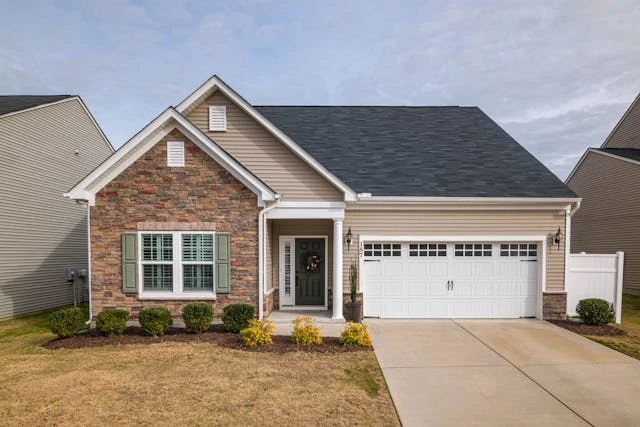
Exterior materials contribute to a home’s structural integrity and visual character. Before making any final choices, consider your house’s architectural style, your personal design goals, and local weather patterns. Natural stone and brick lend a timeless, rustic elegance, while smooth stucco or modern fiber cement panels suit contemporary designs. Materials such as wood provide warmth and texture but require regular maintenance to prevent rot and insect damage. Engineered composites often combine low maintenance with high durability. Always consult with an experienced professional who can assess your home’s needs, recommend suitable options, and help you strike the right balance between beauty, performance, and budget.
Think About the Roofing
Your roof is the first line of defense against rain, snow, hail, and sun. Selecting the right roofing material depends on your budget, aesthetic preferences, and long-term maintenance plan. Asphalt shingles remain the most popular choice thanks to their affordability and ease of installation. They typically last 15 to 25 years and come in a wide array of colors and textures. Metal roofing offers exceptional durability and lifespan, often exceeding 50 years with minimal upkeep. Tile or slate add a distinctive look and resist fire and moisture but carry higher upfront costs and require reinforced roof framing. Don’t overlook underlayment quality, proper attic ventilation, and professional installation, all of which extend the service life of your roof.
Exploring Siding Options
Siding defines the majority of your home’s exterior surface and has a major impact on upkeep and longevity. Vinyl siding is budget-friendly, resists moisture, and demands little maintenance. Fiber cement siding mimics wood grain, resists rot and insect damage, and can be painted any color for a customized appearance. Wood siding offers natural beauty but calls for frequent staining or painting to maintain its finish. Engineered wood composites or insulated vinyl panels provide additional thermal performance in cold climates. For a flawless installation, hire an award-winning siding installer in Denver, CO, or a qualified professional in your area who understands local weather challenges and can recommend the best products for lasting protection and style.
Choosing Windows
Windows influence both aesthetics and energy efficiency. Frame materials range from cost-effective vinyl to classic wood, durable aluminum, or hybrid fiberglass. Double or triple pane glass with low emissivity coatings reduces heat transfer and keeps indoor temperatures steady year-round. Architectural details such as window shape, muntin patterns, and trim profiles should complement your home’s overall design. Casement windows offer maximum ventilation while sliding and double-hung styles are easier to clean. Always verify the window’s U-factor and solar heat gain coefficient to ensure optimal performance in your climate zone. Proper flashing and caulking around openings also prevent drafts and water intrusions.
Selecting Doors
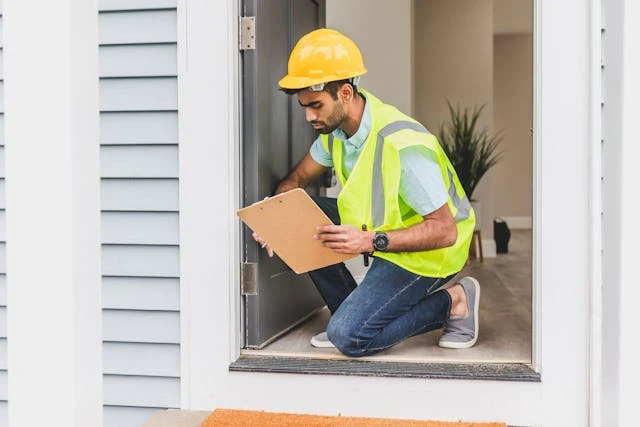
Your entry doors serve as focal points and must combine security, insulation, and style. Steel doors deliver high strength and low maintenance but may require a textured finish to avoid dents. Fiberglass doors replicate the look of painted or stained wood without the susceptibility to warping or rotting. Solid wood entry doors provide classic appeal but demand regular sealing and refinishing, especially if exposed to direct sunlight or heavy rain. Look for doors rated for energy efficiency with insulated cores and weatherstripping on all sides. Garage doors are equally important; insulated steel panels improve thermal performance and reduce noise. Coordinate hardware finishes to create a cohesive look.
Conclusion
Navigating exterior material choices involves careful research, professional advice, and thoughtful planning. By evaluating the performance characteristics of roofing, siding, windows, and doors, you can select durable, low-maintenance solutions that enhance curb appeal and protect your home. Investing in quality materials and expert installation minimizes future repairs and maximizes energy savings. With the right team and a clear vision, you can transform your exterior into a beautiful, resilient envelope that stands up to weather and time.









Sign in to leave a comment.