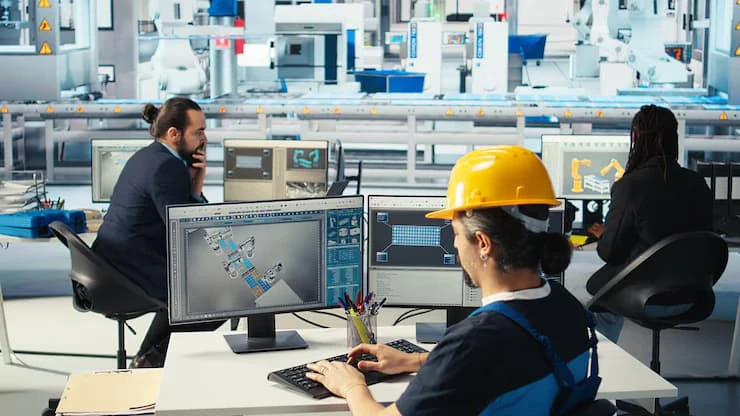

In the ever-evolving world of manufacturing, the integration of technology has become paramount for optimizing operations, increasing efficiency, and ensuring competitiveness. Manufacturing IT management encompasses a broad spectrum of practices and strategies designed to streamline processes, enhance productivity, and facilitate data-driven decision-making. As industries grapple with the challenges of modernization, understanding the intricacies of IT management in manufacturing becomes essential for success.
Understanding Manufacturing IT Management
At its core, manufacturing IT management refers to the systematic approach to managing information technology resources and processes within a manufacturing setup. It involves the alignment of IT strategies with business goals, ensuring that technology serves as a catalyst for growth rather than a hindrance. This management discipline not only covers the deployment of software and hardware solutions but also focuses on the integration of these technologies into the fabric of the manufacturing workflow.
One of the pivotal aspects of manufacturing IT management is the adoption of Industry 4.0 principles. This term encapsulates the current trend toward automation and data exchange in manufacturing technologies. With the rise of the Internet of Things (IoT), big data analytics, and artificial intelligence, manufacturers are now equipped to monitor and control processes in real-time. This level of oversight not only enhances operational efficiency but also significantly reduces downtime and operational costs.
In a landscape where competition is fierce, organizations must leverage IT management to foster innovation and adaptability. By utilizing advanced analytics, manufacturers can gain insights into production trends, customer preferences, and supply chain dynamics. These insights empower businesses to make informed decisions that drive efficiency and align production capabilities with market demands.
The Role of Data in Manufacturing IT Management
Data plays a crucial role in the realm of manufacturing IT management. The ability to collect, analyze, and act upon data is what sets successful manufacturers apart from their competitors. With the advent of smart manufacturing, companies can harness vast amounts of data generated from various sources, including machinery, sensors, and supply chain partners.
Through the implementation of robust data management systems, manufacturers can achieve greater visibility across their operations. For instance, predictive analytics can be employed to foresee maintenance needs, thereby minimizing unplanned downtimes. This proactive approach not only saves costs but also enhances the longevity of machinery and equipment. Furthermore, data-driven insights enable manufacturers to optimize inventory levels, reduce waste, and improve overall resource allocation.
Additionally, this wealth of data can be utilized to enhance product quality and customer satisfaction. By analyzing customer feedback and production metrics, manufacturers can identify areas for improvement and innovate their offerings. This iterative process of refinement strengthens brand loyalty and positions companies as leaders in their respective markets.
Challenges in Manufacturing IT Management
Despite its numerous advantages, manufacturing IT management is not without challenges. One significant hurdle is the integration of legacy systems with modern technologies. Many manufacturing firms operate with outdated systems that may not easily interface with newer solutions, creating silos of information that hinder effective decision-making. Bridging this gap requires careful planning and investment in middleware solutions that facilitate seamless communication between disparate systems.
Moreover, the rapid pace of technological advancement can create a skills gap within the workforce. As new tools and technologies emerge, the need for skilled personnel who can manage and optimize these systems becomes critical. Organizations must invest in training and development initiatives to ensure their teams are equipped with the necessary skills to navigate this digital transformation effectively.
Security concerns also loom large in the realm of manufacturing IT management. With the growing reliance on interconnected devices and systems, the risk of cyberattacks increases significantly. Manufacturers must prioritize cybersecurity measures to safeguard sensitive data and maintain operational integrity. This involves implementing robust security protocols, conducting regular audits, and fostering a culture of security awareness among employees.
Future Trends in Manufacturing IT Management
Looking ahead, several trends are poised to shape the future of manufacturing IT management. One notable trend is the increasing adoption of cloud-based solutions. Cloud technology offers manufacturers the flexibility to scale their operations, access data remotely, and collaborate seamlessly across teams and geographies. This shift toward cloud computing not only enhances operational agility but also drives cost efficiencies.
Another trend is the emphasis on sustainability and environmentally friendly practices. Manufacturers are increasingly recognizing the importance of reducing their carbon footprint and adopting sustainable practices. IT management plays a crucial role in this endeavor by enabling organizations to monitor energy consumption, optimize resource utilization, and implement eco-friendly technologies.
Furthermore, the rise of collaborative robots, or cobots, is set to revolutionize manufacturing processes. These robots are designed to work alongside human operators, enhancing productivity and efficiency without replacing the human touch. As manufacturers continue to embrace automation, the integration of cobots into production lines will become more prevalent, necessitating effective IT management to ensure smooth operations.
Conclusion
In conclusion, effective manufacturing IT management is essential for organizations seeking to thrive in a competitive marketplace. By leveraging data, embracing technological advancements, and addressing challenges head-on, manufacturers can optimize their operations and drive innovation. As industries continue to evolve, companies like Andromeda Technology Solutions stand ready to support manufacturers in navigating the complexities of IT management, ensuring they remain at the forefront of the manufacturing landscape. Through strategic IT management, manufacturers can not only enhance their operational efficiency but also position themselves for long-term success in an increasingly digital world.














Sign in to leave a comment.