

Mumbai, the city of dreams, is not just known for its dazzling skyline, bustling economy, and diverse culture — it’s also home to numerous NGOs in Mumbai that are driving social change at the grassroots level. From child welfare and women’s empowerment to healthcare, education, and environmental conservation, these organizations form the compassionate backbone of the city. Their tireless work bridges the gap between privilege and poverty, ensuring that the spirit of humanity thrives amidst urban chaos.
1. The Role of NGOs in Urban Development
In a city as vast and dynamic as Mumbai, social challenges often multiply with its growth. Rapid urbanization has led to rising inequality, where millions live in informal settlements without proper access to education, healthcare, or sanitation. Here, NGOs play a pivotal role — acting as mediators between the government and citizens.
They provide crucial services such as setting up learning centers for underprivileged children, vocational training for women, and health camps in slum areas. Many NGOs collaborate with municipal bodies to enhance public welfare schemes, bringing transparency and inclusivity to urban development. By addressing systemic gaps, they empower citizens to take charge of their own progress.
2. Focus on Education and Skill Development
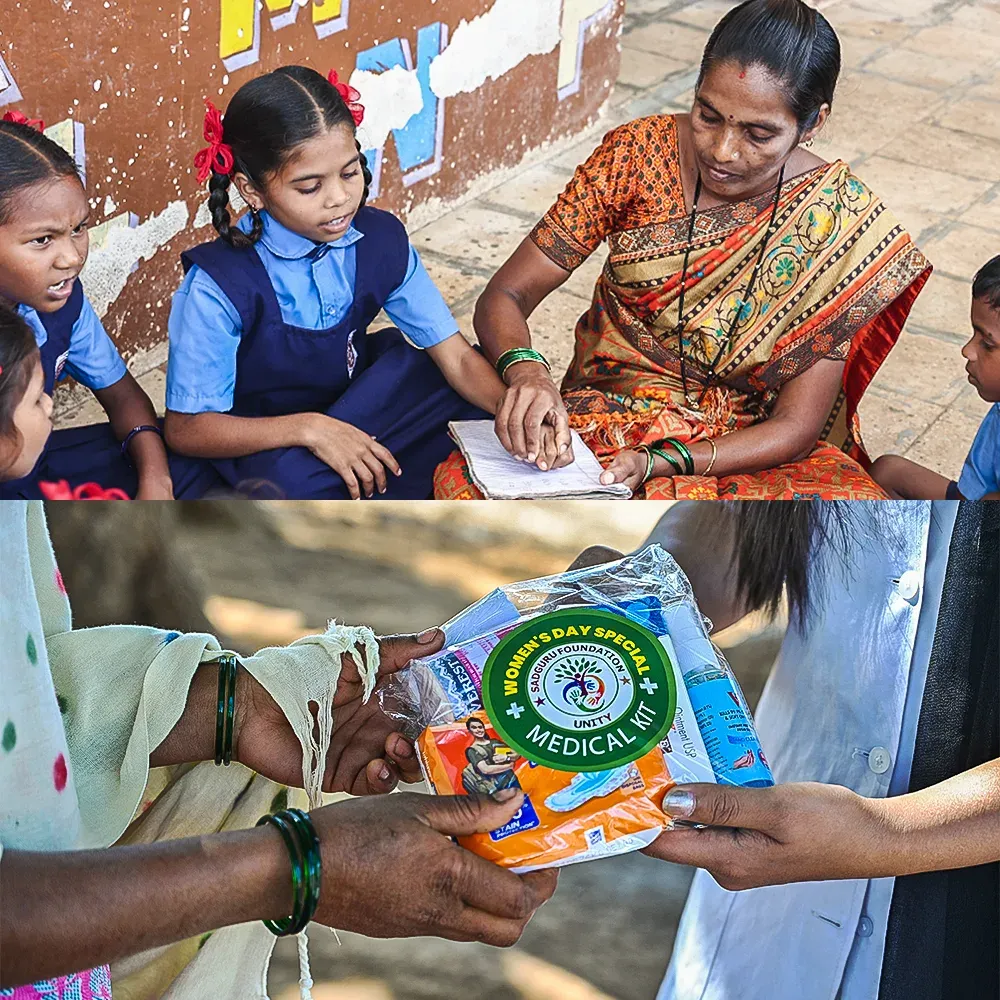
Education is often described as the cornerstone of progress, and numerous organizations across Mumbai are committed to ensuring every child and adult has access to learning opportunities. These initiatives range from running after-school programs in underprivileged communities to offering scholarships and digital literacy training.
Moreover, vocational and skill development programs target youth and women who seek employment or financial independence. Courses in tailoring, computer literacy, beauty care, and entrepreneurship help transform individuals into self-reliant contributors to society. By focusing on education and skill-building, NGOs are not just providing knowledge — they are opening doors to dignity and sustainable livelihoods.
3. Healthcare Initiatives for All
Access to healthcare remains one of the most pressing issues in India’s urban landscape. In Mumbai, NGOs have risen to the challenge by providing essential medical support to those who cannot afford private care. Mobile medical units, health awareness campaigns, vaccination drives, and nutrition programs for mothers and infants are some of the ways they reach underserved communities.
Many NGOs also work on specialized areas such as mental health awareness, HIV prevention, and rehabilitation for individuals suffering from substance abuse. Their work often complements government efforts by filling in logistical and emotional gaps in healthcare systems. For countless families, these services are not just charitable acts — they are lifelines.
4. Women Empowerment and Gender Equality
Empowering women has long been a central mission for NGOs in Mumbai. Through education, vocational training, and awareness programs, they encourage women to challenge societal barriers and reclaim their rights.
These organizations provide safe spaces where women can share their experiences, seek legal support, and learn essential life skills. They also conduct workshops on reproductive health, financial independence, and leadership. Many empowerment programs focus on helping women become micro-entrepreneurs — selling handmade crafts, food items, or garments — which contributes to both personal growth and community development.
By enabling women to gain confidence and autonomy, NGOs are not just uplifting individuals but transforming entire families and communities.
5. Child Welfare and Protection Efforts
Children form the most vulnerable section of society, and NGOs across Mumbai work extensively to protect their rights. Their initiatives cover diverse areas such as rescuing child laborers, rehabilitating street children, and supporting orphans and children with disabilities.
These organizations often run shelter homes, provide nutrition and education, and ensure that every child receives emotional and psychological support. Awareness campaigns are also conducted to combat child abuse and trafficking. Through consistent advocacy and community participation, NGOs aim to build a safe and nurturing environment where every child can grow with dignity and opportunity.
6. Environmental Conservation and Sustainability
In a metropolitan like Mumbai, environmental issues such as pollution, waste management, and diminishing green spaces are major concerns. NGOs dedicated to environmental causes are leading innovative campaigns to promote sustainability.
They conduct beach clean-ups, tree plantation drives, and recycling awareness programs, encouraging citizens to adopt eco-friendly lifestyles. Many of these organizations also engage with schools and housing societies to educate people about water conservation, energy efficiency, and climate change mitigation. By merging environmental activism with community participation, these NGOs are paving the way for a greener and more sustainable future.
7. Disaster Relief and Community Resilience
Mumbai, being a coastal city, faces frequent monsoons and occasional flooding. During such times, NGOs serve as first responders, offering emergency relief, food supplies, and rehabilitation support. Their networks of volunteers mobilize quickly, reaching affected areas often before formal aid arrives.
Beyond immediate relief, these organizations also help rebuild livelihoods and provide psychological counseling to disaster-affected families. Their efforts exemplify how civic compassion and organized community work can strengthen resilience in the face of adversity.
8. The Power of Volunteerism and Citizen Involvement
One of the most inspiring aspects of NGO work in Mumbai is the growing culture of volunteerism. People from all walks of life — students, professionals, retirees — come together to dedicate their time and skills to social causes.
Volunteering not only helps NGOs expand their reach but also fosters empathy and awareness among citizens. Whether it’s teaching children, planting trees, or helping during relief operations, volunteers become agents of change who embody the city’s spirit of unity.
9. Challenges Faced by NGOs
Despite their incredible impact, NGOs face numerous challenges — from limited funding and bureaucratic hurdles to volunteer retention and policy constraints. Maintaining transparency, measuring impact, and sustaining long-term programs require immense effort.
However, many organizations are embracing technology and partnerships to overcome these barriers. Crowdfunding, online awareness campaigns, and digital outreach have become essential tools for visibility and fundraising. The willingness of citizens to contribute — whether through time, money, or advocacy — continues to strengthen their mission.
10. Building a Better Tomorrow
The contributions of NGOs in Mumbai extend far beyond charity; they represent the soul of social responsibility. Their relentless pursuit of equity and compassion transforms the city from within, making it not just a financial capital but also a hub of human kindness.
As Mumbai continues to grow, so does the need for collective action. Supporting NGOs — through volunteering, donations, or advocacy — is one of the most direct ways citizens can help build a more inclusive and compassionate future. In doing so, every individual becomes part of the city’s larger story — one of resilience, hope, and transformation.









Sign in to leave a comment.