

Noise pollution has become a common issue in urban living spaces, affecting our health, sleep quality, and overall well-being. Fortunately, there’s an effective solution that not only helps reduce external noise but also adds a layer of comfort and privacy to your home: the noise reduction door. If you’re tired of the constant noise disruptions, installing a noise reduction door can be a game-changer. Let's dive deeper into how these doors work, their benefits, and how they pair well with window flyscreens to create a peaceful and quieter environment.
What is a Noise Reduction Door?
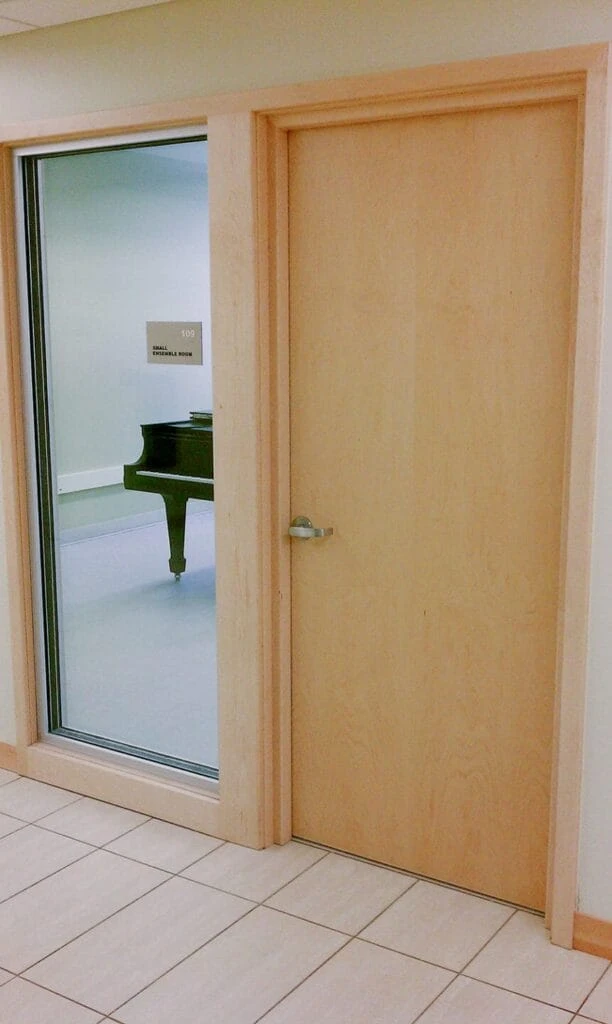
A noise reduction door is specially designed to minimize sound transmission from one space to another. These doors are made with soundproof materials and are engineered to prevent outside noises, such as traffic, construction, or noisy neighbors, from entering your home. Unlike standard doors, noise reduction doors are thicker and contain multiple layers of insulation, which absorb sound waves. This makes them an ideal choice for homes near busy streets, office spaces, or rooms where quiet is essential, such as bedrooms, study rooms, or home theaters.

How Noise Reduction Doors Work ?
Noise reduction doors are built with soundproofing materials that help absorb and block sound waves. The materials typically used in these doors include:
- Mass-loaded Vinyl (MLV): This is a dense material that significantly reduces sound transmission by adding mass to the door.
- Acoustic Foam or Insulation: These materials help absorb sound and prevent it from passing through.
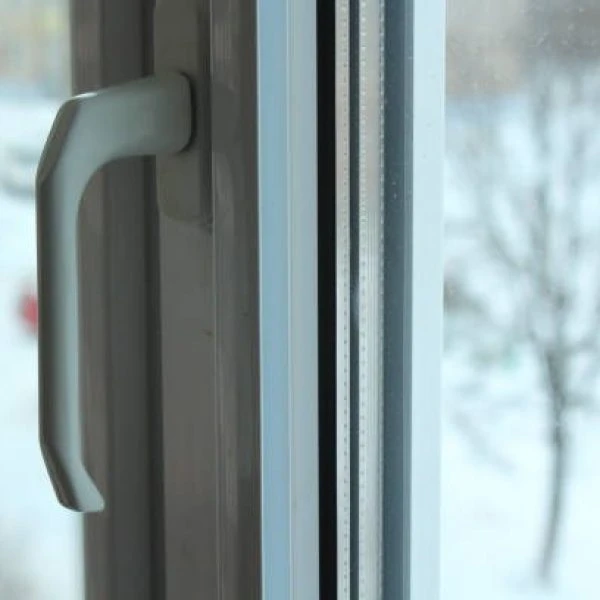
- Seals and Gaskets: Properly sealing the edges of the door helps prevent noise leakage around the door frame.
- Solid Core Construction: Unlike hollow core doors, solid core doors are designed to block sound much more effectively.
Together, these components help to reduce the impact of noise, providing you with a quieter and more peaceful environment.
Benefits of Noise Reduction Doors
- Improved Privacy: By blocking external sounds, noise reduction doors give you a higher level of privacy in your living or working space.
- Better Sleep Quality: For those living in noisy areas, installing a noise reduction door can drastically improve your sleep quality by blocking out unwanted noise.
- Enhanced Comfort: These doors make your home more comfortable, reducing distractions, and creating a more serene environment.
- Energy Efficiency: Many noise reduction doors also provide thermal insulation, helping to maintain temperature regulation within your home.
Pairing Noise Reduction Doors with Window Flyscreens
While noise reduction doors are an excellent investment for reducing indoor noise, they can be even more effective when paired with window flyscreens. Flyscreens are designed to keep insects out while allowing fresh air to circulate freely. Adding flyscreens to your windows allows you to keep the environment quiet, ventilated, and comfortable, without compromising your peace of mind.
Window flyscreens work in conjunction with noise reduction doors by:
- Allowing Airflow: They provide ventilation while preventing unwanted noise from outside, ensuring a balanced environment inside.
- Improving Energy Efficiency: By letting fresh air in without the noise, flyscreens contribute to a more energy-efficient home.
- Ensuring Comfort: The combination of noise-reducing doors and flyscreens keeps your home quiet and comfortable, regardless of external weather or disturbances.
FAQ
Q1: How effective are noise reduction doors in blocking sound?
Noise reduction doors are highly effective in reducing sound transmission, with most doors providing a significant reduction in noise. Depending on the materials used, they can reduce noise by up to 35 decibels or more, which makes a noticeable difference in noisy environments.
Q2: Can I install a noise reduction door myself?
While some basic installations can be handled by homeowners, it’s recommended to hire a professional for optimal results. Proper installation ensures that the door is sealed correctly, maximizing its soundproofing capabilities.
Q3: Do noise reduction doors also provide insulation?
Yes, many noise reduction doors also offer thermal insulation benefits, helping to regulate indoor temperatures and save on energy bills.
Q4: Are window flyscreens compatible with noise reduction doors?
Yes, window flyscreens work well with noise reduction doors, enhancing your home's quietness and comfort by blocking insects while still allowing fresh air to flow in.
Testimonial
"I recently installed a noise reduction door in my bedroom, and the difference is incredible. I live near a busy street, and the noise used to keep me up at night. Now, I sleep soundly, and I can finally enjoy peace and quiet in my home. Pairing it with flyscreens for the windows has made a huge difference in both noise control and ventilation. Highly recommend!"
— Emily S., Melbourne, Australia
Conclusion
A noise reduction door is a fantastic way to bring tranquility back into your home, offering numerous benefits such as privacy, better sleep, and improved comfort. When combined with window flyscreens, you create a more peaceful, energy-efficient, and comfortable living space. Whether you live in a noisy urban environment or simply want to enjoy more peace in your home, noise reduction doors provide an effective solution for a quieter lifestyle.











Sign in to leave a comment.