
ntroduction: In an increasingly diverse society, the importance of inclusive educational institutions cannot be overstated. Among these, Islamic kids schools in the UK play a vital role in providing education rooted in Islamic values and principles while nurturing young minds in a multicultural environment. This blog delves into the significance of Islamic kids schools, their structure, curriculum, challenges, and their contribution to the broader educational landscape in the UK.
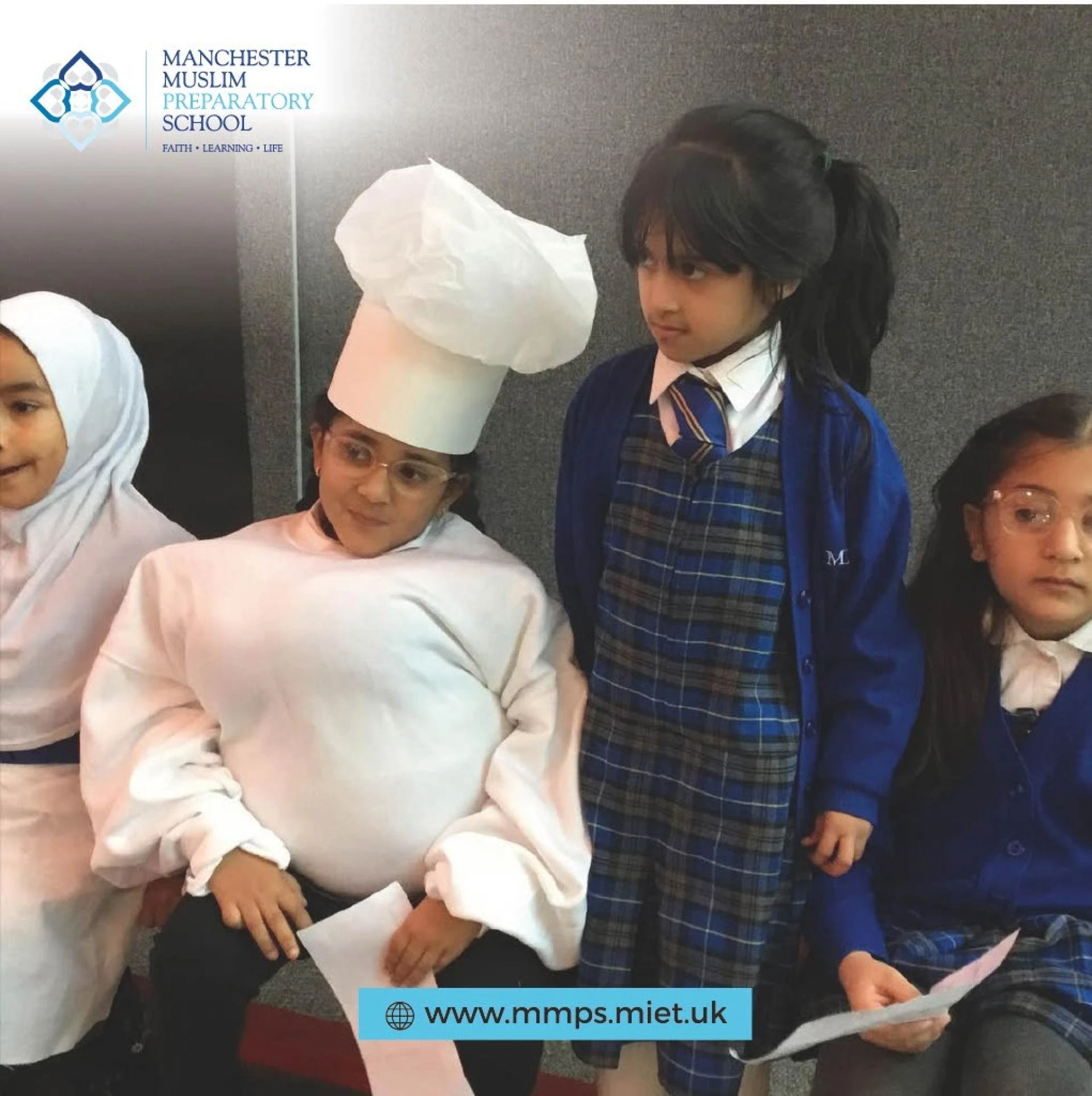
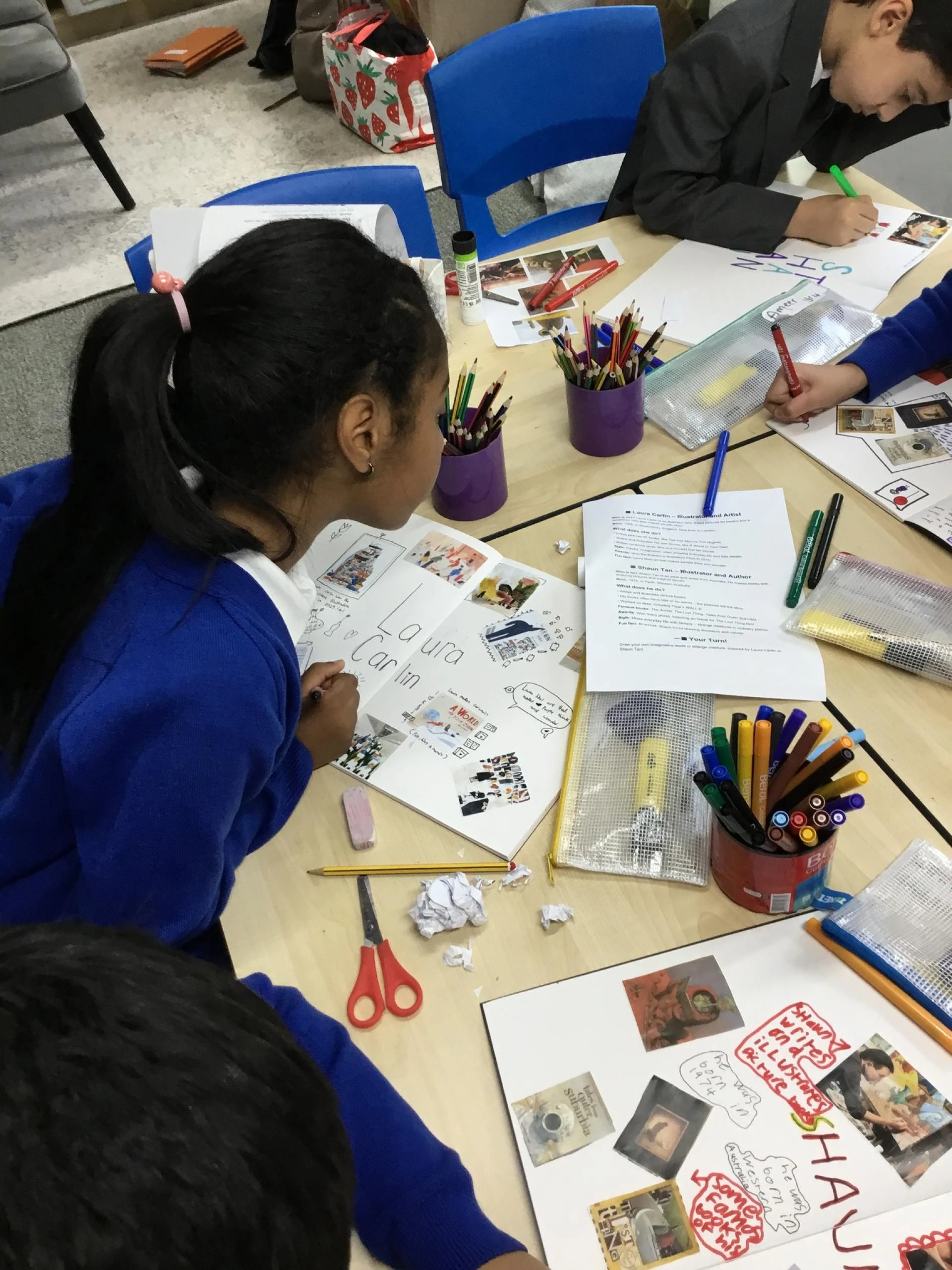
Understanding Islamic Kids Schools: Islamic kids schools in the UK are educational institutions that cater to the specific needs of Muslim children. These schools integrate Islamic teachings into their curriculum, providing students with a comprehensive understanding of both secular and religious subjects.Curriculum and Education Approach: The curriculum of Islamic kids schools typically encompasses a range of subjects, including Islamic studies, Arabic language, Quranic studies, alongside standard subjects like mathematics, science, and English. The educational approach emphasizes holistic development, focusing not only on academic excellence but also on character building and moral values.Multicultural Environment: One of the distinguishing features of Islamic kids schools in the UK is their multicultural environment. These schools welcome students from diverse backgrounds, fostering an atmosphere of inclusivity and tolerance. Students have the opportunity to learn about different cultures and traditions, promoting respect and understanding among peers.Integration of Islamic Values: Islamic kids schools prioritize the integration of Islamic values into all aspects of education. From daily prayers and Quran recitation to ethical teachings and community service initiatives, these schools instill a sense of spirituality and moral responsibility in students, shaping them into conscientious individuals.Challenges and Opportunities: Like any educational institution, Islamic kids schools face various challenges, including funding constraints, curriculum development, and maintaining high academic standards. However, these challenges also present opportunities for innovation and growth. Collaborations with mainstream educational bodies, leveraging technology for remote learning, and community partnerships are some strategies employed to overcome obstacles.Parental Involvement: Parental involvement is integral to the success of Islamic kids schools. Parents play a crucial role in supporting their children's education, reinforcing Islamic teachings at home, and actively participating in school activities. Open communication between parents, teachers, and school administrators fosters a strong partnership focused on the holistic development of students.Impact on Students: The impact of Islamic kids schools extends beyond academic achievements. These schools provide a nurturing environment where students develop a strong sense of identity, belonging, and confidence. By fostering spiritual growth and instilling ethical values, Islamic kids schools empower students to navigate the challenges of modern society while staying true to their faith.Contribution to Society: Islamic kids schools in the UK make significant contributions to society by producing well-rounded individuals who are not only academically proficient but also socially responsible. Alumni of these schools go on to pursue higher education, professional careers, and actively engage in community service, making positive contributions to the broader society.Conclusion: Islamic kids schools in the UK play a pivotal role in shaping the next generation of Muslim youth, providing them with a holistic education grounded in Islamic values. By fostering academic excellence, promoting multiculturalism, and nurturing moral character, these schools contribute to the rich tapestry of diversity in the UK's educational landscape. As we strive for a more inclusive society, the importance of supporting and celebrating institutions like Islamic kids schools cannot be overlooked.










Sign in to leave a comment.