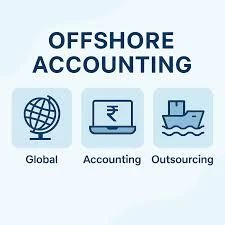

As companies scale, financial complexity grows alongside revenue. What begins as basic bookkeeping and tax filing soon evolves into multi-entity reporting, compliance management, payroll processing, budgeting, forecasting, and strategic financial planning. For growing companies, managing all these responsibilities in-house can become expensive, inefficient, and overwhelming.
This is where offshore accounting services emerge as a smart and scalable strategy. By outsourcing accounting functions to qualified professionals in offshore locations, growing businesses can streamline operations, reduce costs, and gain access to expert financial support without expanding internal overhead.
Let’s explore why offshore accounting services are becoming a strategic advantage for growth-focused companies.
Understanding Offshore Accounting Services
Offshore accounting services involve delegating financial and accounting tasks to a specialized team located in another country. These services often include:
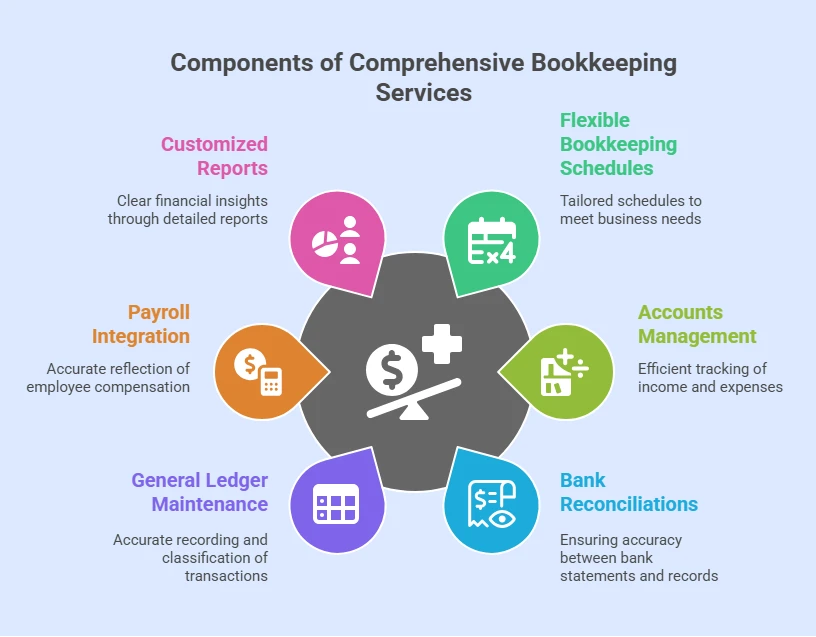
- Bookkeeping and general ledger management
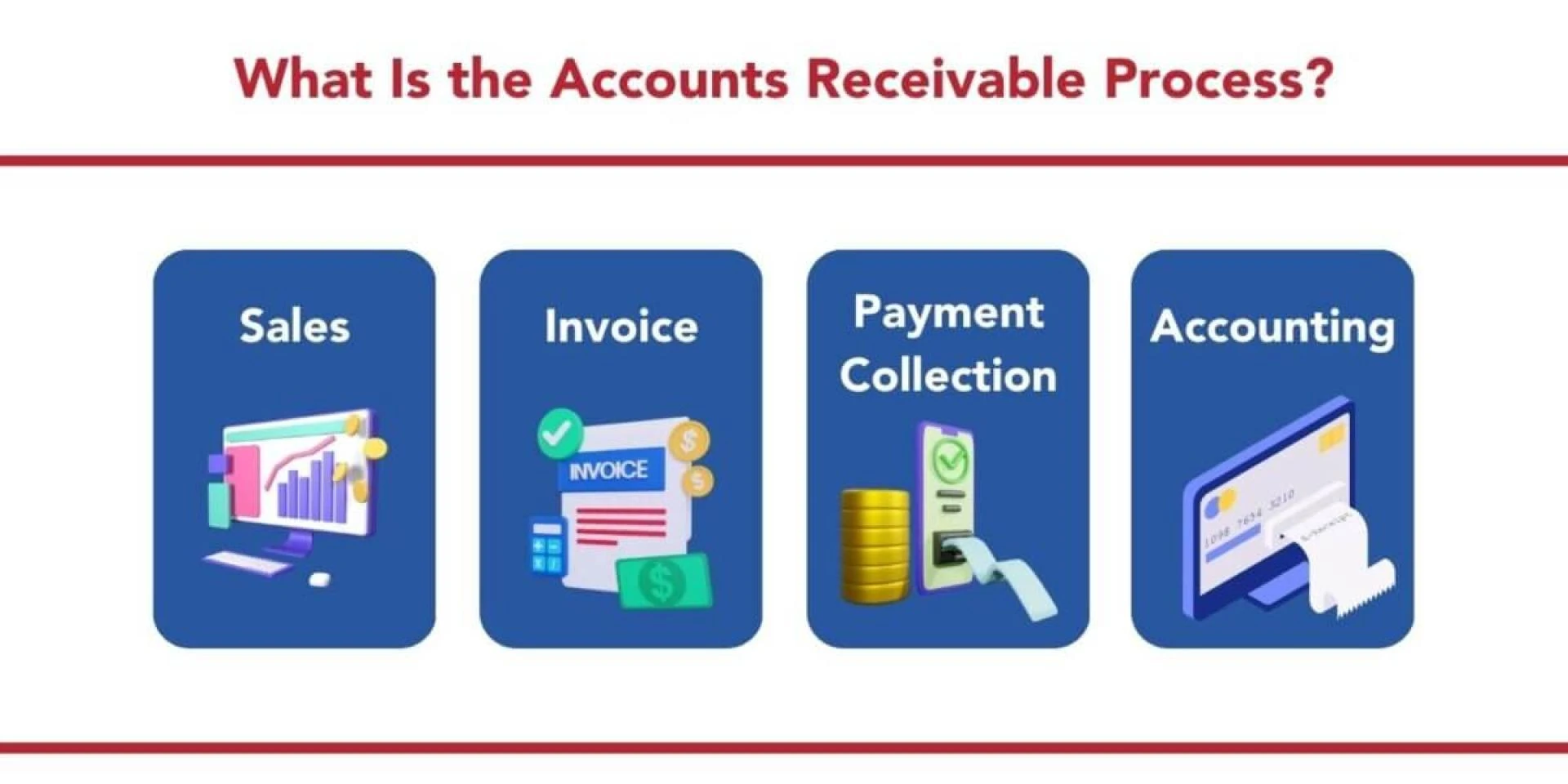
- Accounts payable and accounts receivable
- Payroll processing
- Bank and credit card reconciliations
- Financial statement preparation
- Tax preparation support
- Budgeting and forecasting
- Management reporting
Rather than building a large internal accounting department, companies partner with offshore accounting providers that function as an extended finance team.
1. Cost Efficiency Without Compromising Quality
One of the most compelling reasons growing companies choose offshore accounting services is cost savings. Hiring in-house accountants requires:
- Competitive salaries
- Employee benefits
- Office infrastructure
- Accounting software licenses
- Training and development costs
Offshore accounting services significantly reduce these expenses. Businesses typically pay only for the services they need, whether monthly, quarterly, or annually.
The savings generated can be redirected toward marketing, technology upgrades, product development, or market expansion — all critical for growth-stage companies.
2. Access to Experienced Accounting Professionals
Growing companies often require expertise beyond basic bookkeeping. They need professionals who understand financial reporting standards, tax regulations, and industry-specific accounting practices.
Offshore accounting providers employ:
- Certified accountants
- Industry specialists
- Software experts (QuickBooks, Xero, NetSuite, SAP, etc.)
- Compliance-focused teams
This allows companies to access a broader skill set than they might afford locally, ensuring accuracy and reliability in financial reporting.
3. Scalability to Match Business Growth
Growth is rarely linear. Companies may experience rapid expansion, seasonal fluctuations, or sudden increases in transaction volume.
Offshore accounting services offer flexibility by allowing businesses to:
- Scale resources up or down as needed
- Add specialized services during expansion
- Support new entities or subsidiaries
- Manage increased reporting requirements
This scalability ensures that financial management keeps pace with business growth without the burden of constant hiring and restructuring.
4. Improved Financial Accuracy and Compliance
As companies grow, regulatory and compliance requirements become more complex. Errors in accounting can result in tax penalties, audit issues, or reputational damage.
Offshore accounting providers implement:
- Standardized accounting processes
- Multiple review layers
- Internal quality control systems
- Regular compliance updates
These structured systems reduce financial errors and ensure adherence to applicable regulations and reporting standards.
Accurate financial statements also support better strategic decision-making, helping leadership evaluate profitability, expenses, and growth opportunities effectively.
5. Enhanced Focus on Core Business Activities
For founders and leadership teams, time is a limited resource. Handling accounting tasks internally often diverts attention from strategic initiatives such as customer acquisition, innovation, and partnerships.
By leveraging offshore accounting services, growing companies can:
- Delegate routine financial tasks
- Reduce administrative workload
- Free up management bandwidth
- Concentrate on revenue generation
This strategic delegation supports sustainable growth and operational efficiency.
6. Technology-Driven Financial Management
Modern offshore accounting firms utilize advanced technology and cloud-based accounting platforms. Businesses benefit from:
- Real-time financial dashboards
- Automated transaction recording
- Secure document sharing
- Integrated reporting tools
- Digital audit trails
Access to these technologies enhances visibility and transparency, allowing leadership teams to make data-driven decisions.
Instead of investing heavily in accounting infrastructure, companies gain technology-enabled financial support through their offshore partner.
7. Faster Reporting and Time Zone Advantage
Time zone differences can create operational advantages. While the local office closes, the offshore accounting team continues working.
This often results in:
- Faster reconciliations
- Timely financial reporting
- Quick invoice processing
- Reduced turnaround times
For growing companies that rely on up-to-date financial insights, this continuous workflow improves efficiency and responsiveness.
8. Strengthened Cash Flow Management
Cash flow management is critical for growth-stage businesses. Rapid expansion often increases expenses, payroll obligations, and operational costs.
Offshore accounting services help by:
- Monitoring receivables and follow-ups
- Managing vendor payments strategically
- Providing regular cash flow reports
- Identifying cost-saving opportunities
With improved visibility into cash flow, businesses can plan investments confidently and avoid liquidity challenges.
9. Risk Mitigation and Business Continuity
Relying solely on one in-house accountant creates risk. Absences, turnover, or limited expertise can disrupt operations.
Offshore accounting services provide:
- Dedicated teams rather than individuals
- Backup resources
- Documented processes
- Business continuity planning
This reduces operational risk and ensures uninterrupted financial management.
10. Competitive Advantage in a Dynamic Market
In today’s fast-paced market, agility and efficiency determine success. Offshore accounting services help growing companies operate leaner while maintaining high-quality financial oversight.
Lower overhead costs combined with expert financial management lead to:
- Improved profit margins
- Better budgeting accuracy
- Data-driven strategic planning
- Enhanced investor confidence
Companies that optimize their back-office operations are better positioned to compete and scale sustainably.
Final Thoughts
Offshore accounting services are no longer viewed as just a cost-cutting solution. For growing companies, they represent a smart strategic move — combining cost efficiency, professional expertise, scalability, and advanced technology.
As financial complexity increases with growth, partnering with an experienced offshore accounting provider allows businesses to stay focused on innovation and expansion while maintaining strong financial control.
For growth-driven organizations seeking stability, flexibility, and improved profitability, offshore accounting services offer a reliable and future-ready solution.











Sign in to leave a comment.