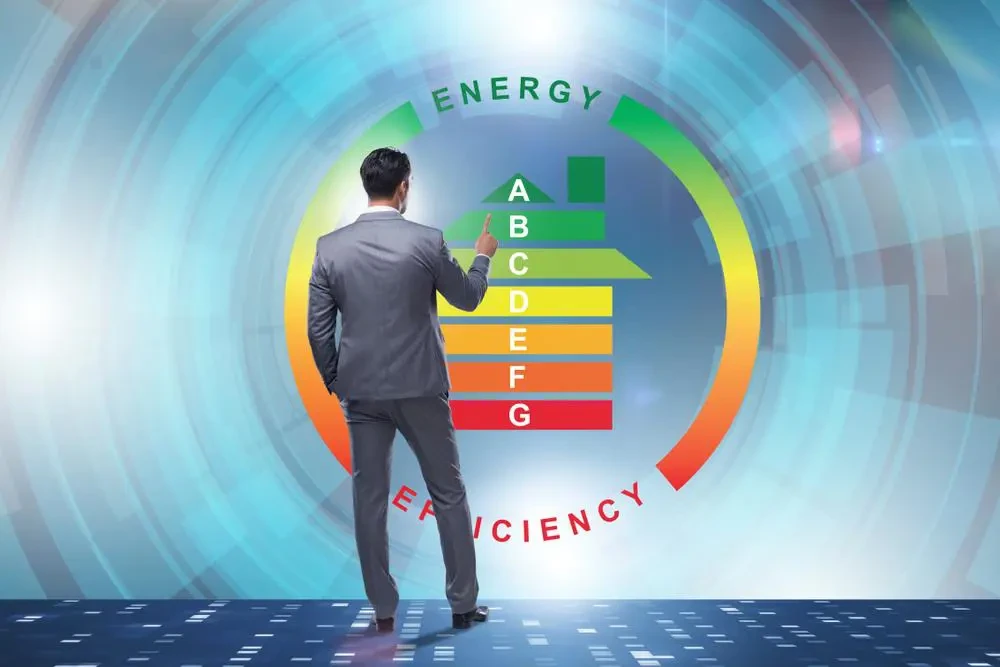

In an era where energy dynamics are rapidly changing and sustainability is a growing concern, businesses are increasingly seeking solutions to manage their energy consumption effectively. Utility bill tracking software stands out as a transformative tool that enables organizations to gain control over their energy use, realize cost savings, and affirm their commitment to sustainability. This article delves into the multifaceted advantages of using utility bill-tracking software, underlining its importance in the strategic management of energy resources.
Understanding Utility Bill Tracking Software
Utility bill tracking software serves as an advanced analytical platform that provides comprehensive insights into an organization's energy consumption. It automates the tedious process of gathering and analyzing utility bills, offering a bird's-eye view of an organization's energy profile. This potent software sifts through the complex web of energy tariffs, consumption patterns, and utility rate structures, delivering tailored reports and actionable recommendations.
At its core, the software consolidates energy usage data from disparate sources—electric, gas, water, and other utilities—across various facilities and departments, often in real time. With sophisticated algorithms and intuitive interfaces, the software transforms what used to be an arcane set of data points into a strategic asset that businesses can leverage to drive down costs and boost efficiency.
Benefit 1: Enhanced Efficiency
The first and most direct benefit observed from deploying utility bill tracking software is the substantial increase in energy efficiency it facilitates. The software not only uncovers areas where excessive energy is being consumed but also identifies operational anomalies that may lead to such waste. For instance, a retail chain might discover that some stores keep exterior signage illuminated all night due to a lack of standardized policies, a situation easily rectified for instant savings.
Moreover, by providing an ongoing, automated audit of energy consumption, the software can trigger alerts for abnormal usage that may indicate equipment failures or suboptimal performance. Through such detailed monitoring, businesses can implement proactive maintenance schedules, optimize system operations, and even engage employees in conservation efforts, all contributing to a culture of continuous improvement in energy efficiency.
Benefit 2: Significant Cost Savings
The correlation between effective energy management and cost savings is well-established, with utility bill tracking software playing a pivotal role in unlocking these savings. By dissecting each component of the energy bill, organizations gain insight into potential inefficiencies and areas where investments can yield substantial returns. For example, the software might reveal that peak demand charges are a significant cost driver, prompting an investment in energy storage solutions that reduce peak load and lower overall energy costs.
Additionally, with the granular data that utility bill tracking software provides, businesses can engage in more strategic energy procurement, selecting optimal rate plans and even accessing wholesale energy markets where available. The ability to track and report savings also justifies the cost of energy efficiency upgrades and renewable energy projects, by demonstrating clear, bankable returns on these investments.
Benefit 3: Accurate Forecasting and Budgeting
The predictive power of utility bill tracking software is perhaps one of its most strategic advantages. Energy forecasting, once a fraught exercise in uncertainty, becomes a manageable, data-driven process. The software applies historical consumption data and predictive modeling algorithms to generate reliable projections of future energy needs, helping organizations anticipate changes in energy costs with greater accuracy.
This advanced forecasting aids in the budgeting process, allowing for sensible allocation of financial resources and strategic energy purchasing. Organizations can plan for infrastructure upgrades, negotiate energy contracts with confidence, and even commit to long-term renewable energy purchases, all supported by robust data analytics. Accurate energy forecasting thus becomes a cornerstone of financial planning and a competitive advantage in an unpredictable market.
Benefit 4: Streamlined Operations
Utility bill tracking software significantly contributes to operational efficiency by automating the energy data collection and analysis process. This automation reduces the burden on staff, minimizes mistakes associated with manual input, and provides a real-time overview of energy performance. The ripple effect of this centralization is profound: staff from facilities management to finance can access the same information, make data-driven decisions, and respond swiftly to any issues that arise.
Seamless integration with existing infrastructure, such as HVAC and lighting controls, further simplifies operations and ensures that energy-saving measures are implemented effectively. By facilitating a cohesive strategy across all aspects of energy management, utility bill tracking software ensures that organizations are not only implementing best practices but are doing so with minimal disruption and maximum ease.
Benefit 5: Encourages Sustainable Practices
In today's market, a company's commitment to sustainability can be a significant differentiator. Utility bill tracking software acts as a catalyst for sustainable operations by elucidating the link between energy consumption and environmental impact. By offering clear insights into where and how energy is used, the software enables organizations to set tangible targets for reducing their carbon footprint and achieving their corporate social responsibility goals.
The software supports sustainability on multiple fronts: from complying with environmental regulations to engaging in renewable energy projects, organizations can use the data to enhance their environmental narratives and connect with stakeholders on a shared vision for a greener future. As businesses become more transparent about their energy practices, utility bill tracking software provides the metrics and reports to support their green initiatives, resonating with customers, investors, and employees who value sustainability.
Conclusion
Utility bill tracking software is an indispensable tool in the modern business's arsenal for managing energy consumption. By unlocking enhanced efficiency, enabling significant cost savings, providing accurate forecasting and budgeting, streamlining operations, and encouraging sustainable practices, this advanced technology plays a pivotal role in the strategic energy management of organizations. Its comprehensive benefits align with the dual objectives of economic performance and environmental responsibility, positioning businesses for success in an increasingly energy-aware and sustainable marketplace.
As the importance of optimizing energy consumption continues to grow, utility bill tracking software stands as a testament to the power of technology in driving smart and sustainable business practices. It is an investment that pays dividends not just in reduced utility bills but in a stronger brand, a healthier environment, and a more resilient future.












Sign in to leave a comment.