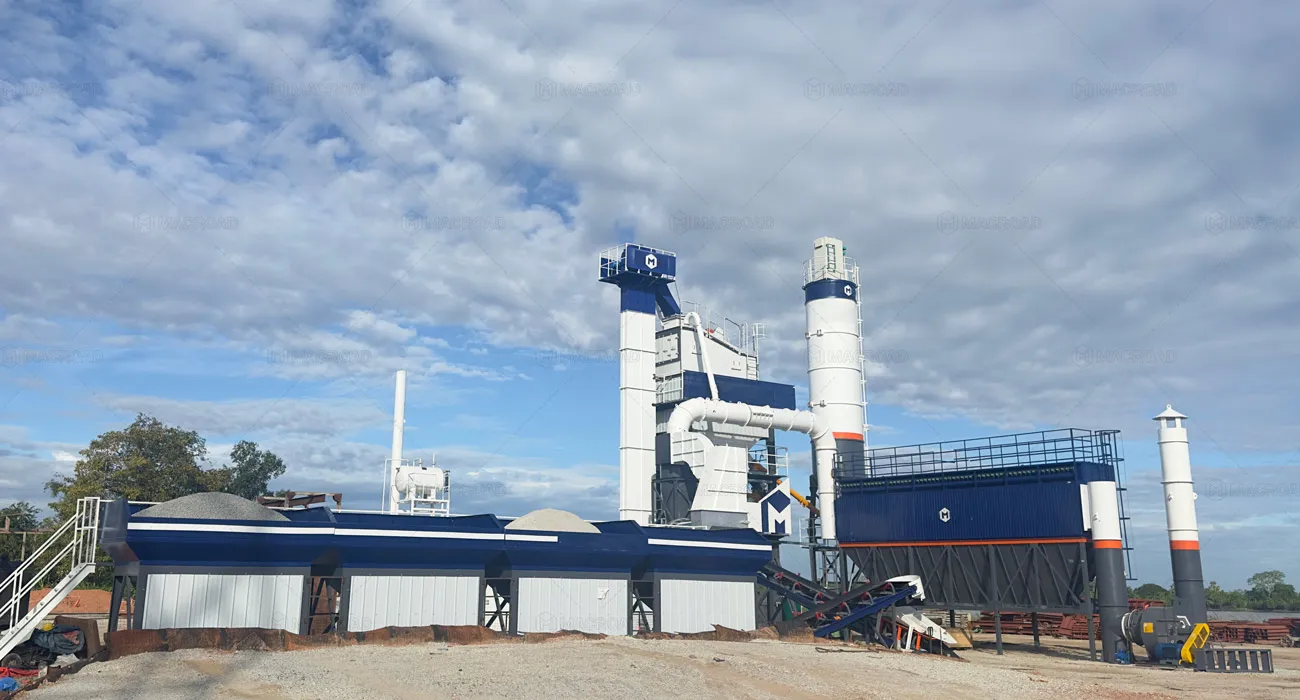

Leading asphalt batch plant manufacturers engineer multi-fuel burner systems specifically to overcome the combustion inefficiencies that plague high-altitude operations. At 2,500 meters where oxygen density drops 25% below sea level, standard air-fuel ratios produce incomplete combustion, elevated emissions, and thermal output degradation. Advanced configurations utilizing Variable Frequency Drive (VFD) control on combustion air systems transform these environmental constraints into manageable operational parameters, generating fuel and electrical savings that justify equipment premiums through avoided baghouse fouling and guaranteed production continuity.
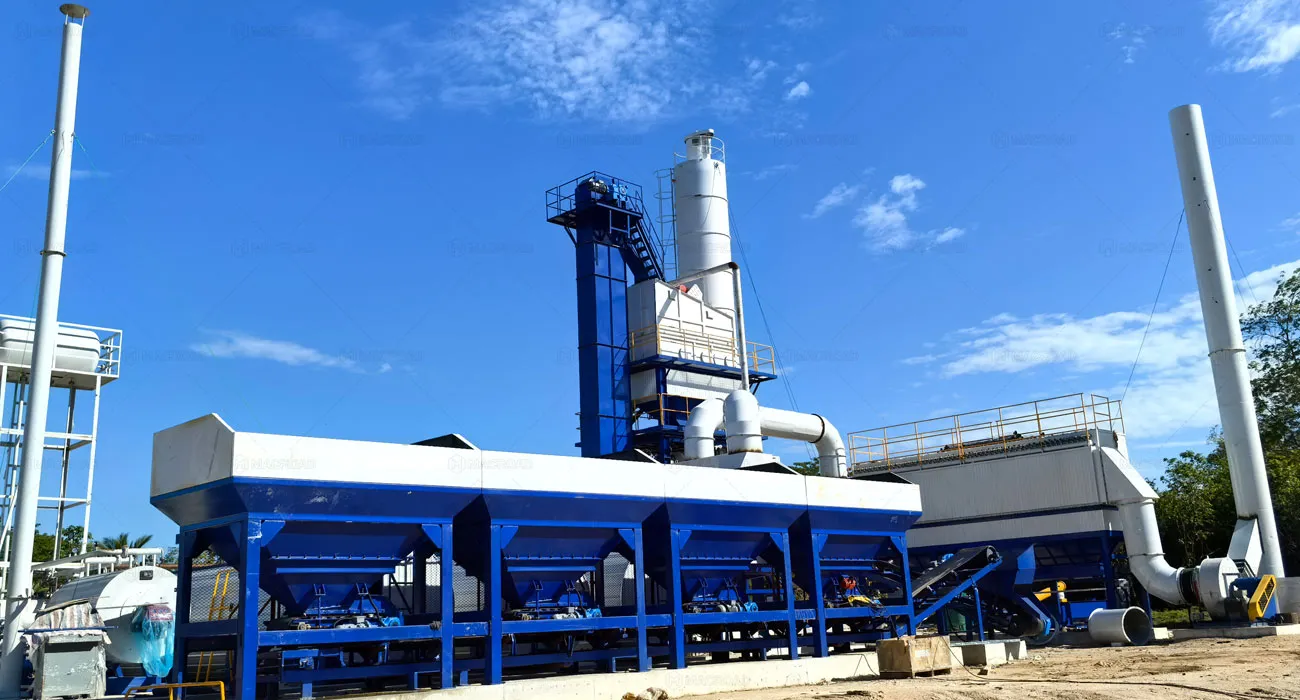
Engineering Air-Fuel Ratios for Oxygen-Deprived Environments
Combustion stoichiometry fundamentally fails at altitude without systematic compensation. Standard burner designs calibrated for sea-level oxygen availability deliver excess air factors of 1.15-1.25, assuming atmospheric oxygen concentration of 21%. At 2,500 meters, this same volumetric airflow provides only 15.8% effective oxygen, creating fuel-rich conditions that generate carbon monoxide, unburned hydrocarbons, and soot deposition throughout exhaust pathways. Leading asphalt batch plant manufacturers address this through altitude-specific burner mapping that increases combustion air volume by 18-22% while maintaining precise velocity profiles for flame stability.
Turbocharger-inspired combustion air delivery represents the critical innovation for thin-air performance. High-static-pressure blowers driven by VFD-controlled motors generate the 15-20% additional air volume required without the energy penalty of constant-speed oversizing. These systems automatically adjust rotational speed based on altitude sensors or manual calibration, maintaining optimal excess air ratios across varying atmospheric conditions. The resulting combustion efficiency preserves thermal output within 3% of sea-level ratings, preventing the 15-20% production shortfalls that force schedule compromises or equipment over-specification.
Fuel flexibility compounds altitude adaptation benefits. Multi-fuel burners engineered for high-altitude hot asphalt mixing plant deployment accommodate diesel, kerosene, and natural gas with independent combustion maps for each fuel type. Kerosene's superior atomization characteristics in low-pressure environments provide particular advantages, maintaining stable ignition where diesel produces erratic flame patterns. Automated fuel switching capability enables operators to optimize for local availability without manual retuning, ensuring continuous production regardless of supply chain disruptions common in remote mountain regions.
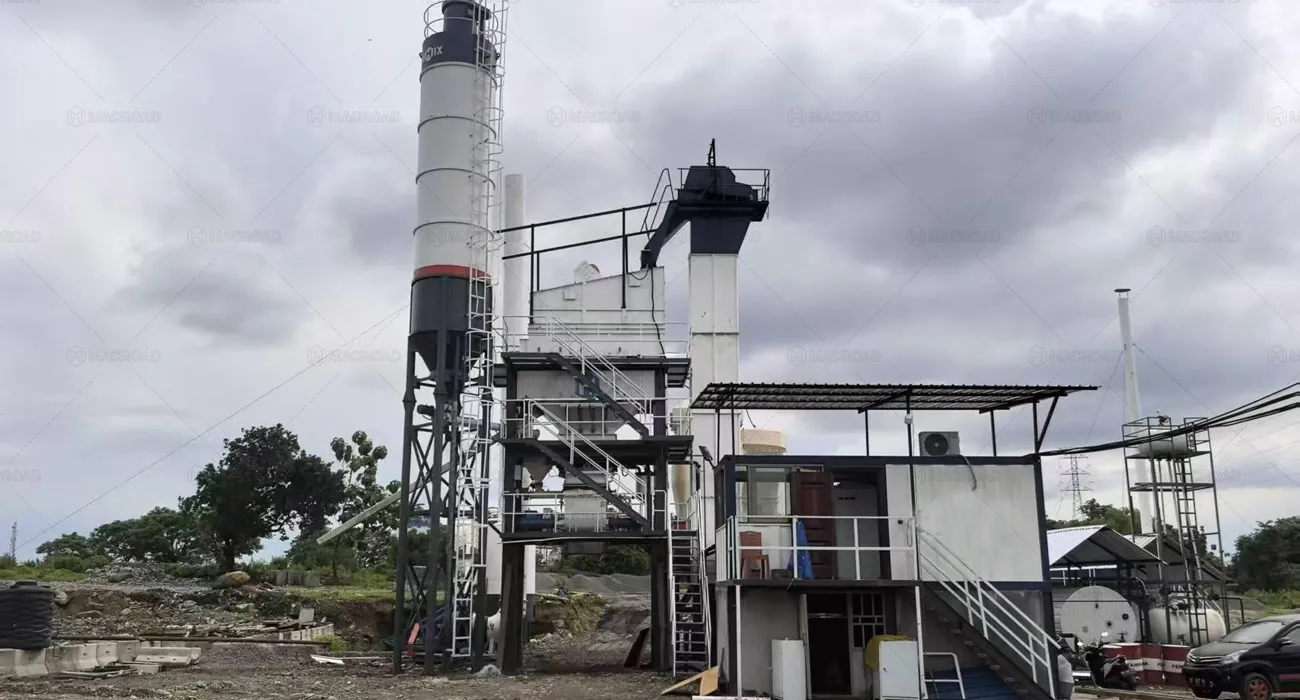
VFD Integration Generates Measurable Operational Savings
Electrical consumption reduction provides immediate, quantifiable returns. Main exhaust fans in standard batch plants operate at constant speed, damper-controlled to maintain negative pressure in the drying system. This approach wastes 30-40% of motor energy through throttling losses while providing coarse pressure control that fluctuates with atmospheric conditions. VFD implementation enables direct speed control that matches exhaust volume to actual process requirements, reducing average power draw by 25-35% across operating cycles.
Burner blower VFD control extends savings into combustion optimization. Traditional on-off or two-speed blower operation forces compromise settings that accommodate peak demand but waste energy during normal operation. Variable speed capability allows real-time adjustment that tracks production rate changes, aggregate moisture variations, and altitude-compensated oxygen requirements. The combined electrical savings from exhaust and combustion air VFD systems typically recover equipment cost premiums within 14-18 months of high-altitude operation.
Fuel efficiency gains compound electrical savings through precise combustion control. Automated air-fuel ratio maintenance prevents the over-firing that operators instinctively apply to compensate for perceived thermal shortfall. This precision eliminates the 8-12% fuel waste common in manually adjusted high-altitude operations, where excess fuel injection fails to increase output but substantially increases consumption. For plants processing 50,000 tons annually, these savings represent 40-60 tons of avoided fuel consumption at prices often elevated in remote mountain logistics environments.
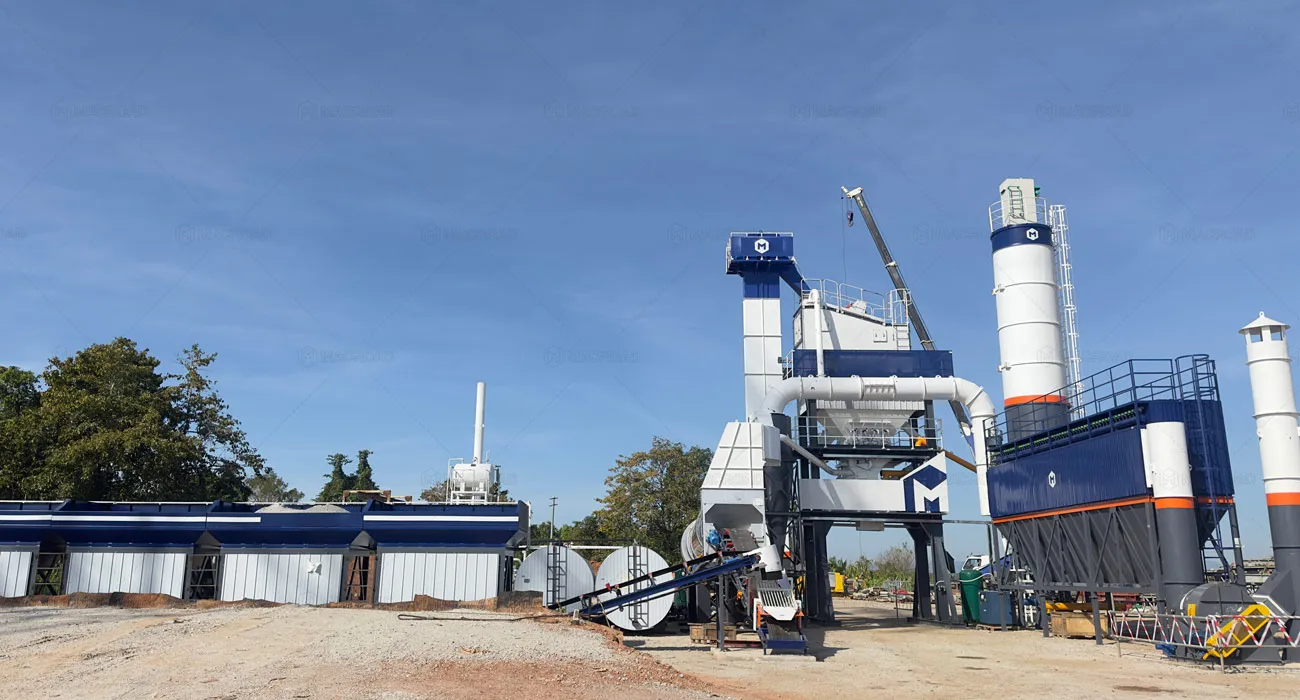
Preventing Baghouse Fouling and Maintenance Catastrophe
Incomplete combustion generates particulate loading that overwhelms filtration systems. Soot and unburned fuel particles carry sticky hydrocarbon residues that blind filter media, increasing pressure drop and reducing system airflow capacity. Standard baghouse designs in non-automated plants require filter replacement every 800-1,000 operating hours in high-altitude conditions, compared to 2,500-3,000 hour intervals at sea level. These accelerated maintenance cycles consume production capacity and generate filter replacement costs that exceed $15,000 annually for typical 120 TPH installations.
Advanced hot asphalt mixing plant configurations integrate combustion monitoring that prevents fouling at its source. Oxygen sensors in the exhaust stream provide feedback that continuously optimizes burner performance, maintaining excess air levels that ensure complete combustion without energy-wasting over-ventilation. This closed-loop control eliminates the soot generation that degrades baghouse performance, extending filter life to sea-level equivalents despite challenging atmospheric conditions.
Temperature management protects filter media integrity. High-altitude combustion inefficiencies often produce temperature excursions that thermally degrade polyester filters, while under-firing creates acid condensation from sulfur compounds in low-temperature zones. VFD-controlled exhaust systems enable precise drying zone temperature maintenance within 5°C of setpoint, preventing both thermal damage and corrosive condensation. This precision eliminates the catastrophic filter failure modes that force unplanned shutdowns during critical paving windows.
Conclusion
High-altitude deployment demands specialized engineering that asphalt batch plant manufacturers provide through integrated combustion and control systems. VFD implementation on combustion air and exhaust systems generates electrical and fuel savings that compound across operational cycles while preventing the incomplete combustion that destroys baghouse performance and operational economics. The equipment premium for these capabilities represents essential investment rather than discretionary upgrade—contractors deploying non-automated alternatives in thin-air environments face maintenance burdens and efficiency losses that eliminate competitive positioning within single project durations. For mountain road construction where logistics costs and environmental constraints intensify every operational challenge, optimized combustion technology transforms altitude limitation into manageable production parameter.










Sign in to leave a comment.