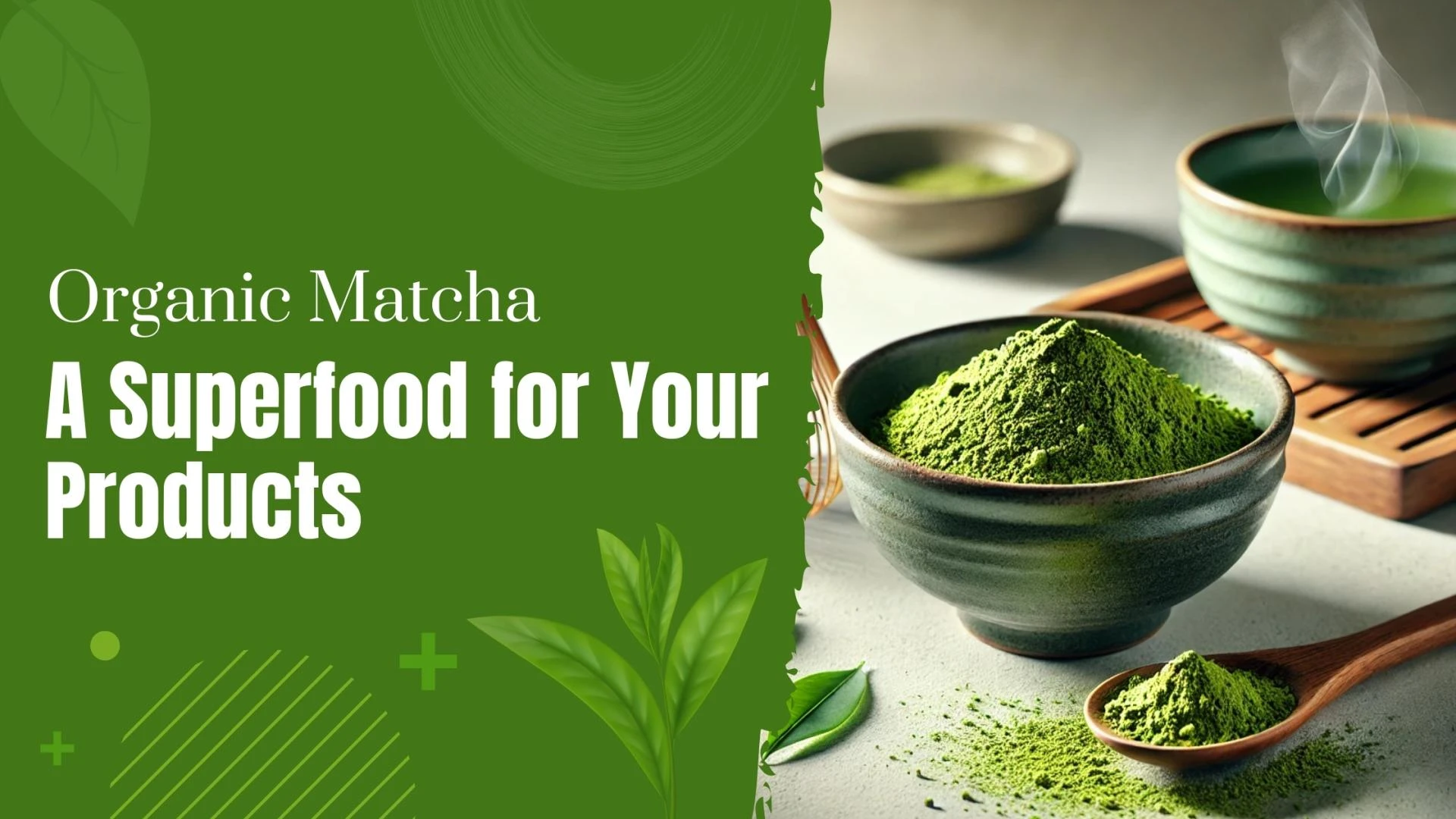

Organic matcha tea powder is a finely ground powder made from specially processed, shade-grown green tea leaves. Matcha has gained popularity as a versatile ingredient in the food industry due to its rich nutrient profile and potential health benefits. It can be used in hot and cold applications, as well as an additive to various products.
What is Organic Matcha Tea Powder?
Matcha, derived from the Camellia sinensis plant, distinguishes itself through a unique cultivation process1. Farmers shade the plants for most of their growth, boosting chlorophyll and amino acid content, giving it a darker green color. After harvesting, the leaves are ground into a fine powder, containing more caffeine and antioxidants than traditional green tea. Organic matcha undergoes this process without the use of synthetic pesticides, herbicides, or chemical fertilizers, promoting sustainable farming practices.
https://www.healthline.com/nutrition/7-benefits-of-matcha-tea
https://navitasorganics.com/blogs/navitaslife/6-ways-to-use-matcha-in-recipes
Health and Nutritional Benefits
Organic matcha tea powder stands out due to its exceptional nutrient content. As a superfood, it’s packed with antioxidants, especially catechins, known for improving metabolism, mood, and concentration. Because the entire tea leaf is ingested, matcha drinkers receive a higher concentration of vitamins, minerals, and antioxidants compared to other teas. The presence of the amino acid L-Theanine provides calm alertness and clarity without the anxiety associated with other caffeinated beverages. Studies suggest matcha and its components may protect the liver, promote heart health, and aid in weight loss. Some believe that the absence of synthetic pesticides and fertilizers in organic farming compels plants to produce more phytochemicals, including antioxidants, to defend themselves.
Innovative Applications for Food Manufacturers
Matcha's distinct flavor profile makes it a versatile ingredient for various food applications.
- Beverages: Matcha is a common addition to lattes and smoothies, and energy drinks. It can be added to both hot and cold drinks.
- Baked Goods: Matcha works well in cupcakes, donuts, pastries, and pancakes. The earthy flavor comes through well in baked goods.
- Snacks: Matcha can be added to protein bars, energy bars, popcorn, yogurt, and oatmeal.
- Culinary: Matcha can be incorporated into marinades, dry rubs, and cooking oils.
- Desserts: Matcha can be used to make ice cream, cookies, puddings, chocolates, and candies.
How to Incorporate Organic Matcha Tea Powder
Matcha can be incorporated into a range of different recipes.
- Traditional Matcha Tea: Sift 1–2 teaspoons (2–4 grams) of matcha powder into your cup, add 2 ounces (59 ml) of hot water, and mix it together with a bamboo whisk.
- Smoothies: Add matcha to smoothies for antioxidants, energizing caffeine, and focus-enhancing L-Theanine.
- Lattes: Stir matcha into milk-based lattes.
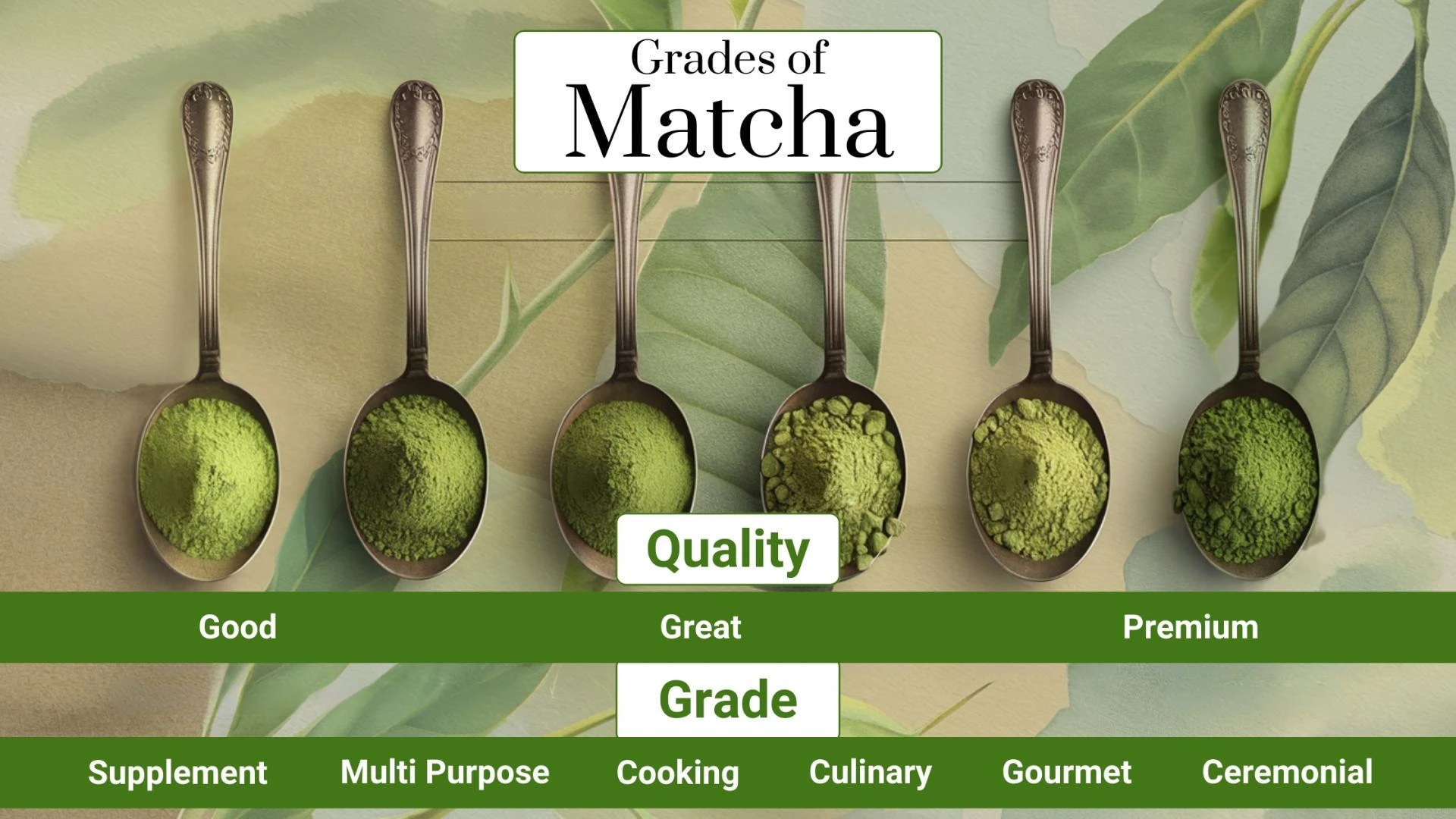
- Baking: Incorporate culinary grades of matcha into baked goods.
- Other: Combine matcha with turmeric in a tea or latte, or sprinkle it over popcorn.
Organic vs. Non-Organic Matcha
Organic matcha is produced without the use of synthetic pesticides, herbicides, or chemical fertilizers, which promotes sustainable farming practices. Some studies suggest that organic matcha has a higher nutrient profile compared to non-organic matcha because the absence of synthetic pesticides and fertilizers in organic farming is believed to compel plants to produce more phytochemicals, including antioxidants, to defend themselves. Many tea connoisseurs claim that organic matcha offers a purer, more vibrant, and nuanced flavor compared to non-organic varieties. Organic matcha often has a more natural and earthy taste and looks brighter than non-organic matcha.
https://encha.com/blogs/info/organic-vs-non-organic-matcha-tea-powder-does-it-matter
https://www.loveandlemons.com/matcha-green-tea/
Potential Downsides
While matcha offers numerous benefits, there are a few potential downsides to consider. Matcha contains caffeine, which may cause anxiety or sleep disturbances in sensitive individuals.
Conclusion
Organic matcha tea powder offers a wide array of innovative applications for food manufacturers. Its rich nutrient content, potential health benefits, and unique flavor profile make it a versatile ingredient for beverages, baked goods, snacks, culinary creations, and desserts. By choosing organic matcha, manufacturers can provide consumers with a product that tastes good and supports sustainable farming practices.
References
- https://ujimatchatea.com/blogs/news/organic-vs-non-organic-matcha
- https://ujido.com/blogs/matcha-insider/9-alternative-uses-for-your-matcha-green-tea-powder
- https://pmc.ncbi.nlm.nih.gov/articles/PMC10609021/
- https://en.wikipedia.org/wiki/Matcha
- https://www.preparedfoods.com/articles/126011-formulating-with-matcha-tea-in-foods-and-beverages
- https://www.webmd.com/diet/health-benefits-matcha












Sign in to leave a comment.