
MBBS, MBBS in Russia, and MBBS Course Duration: A Practical Guide for Pakistani Students
Choosing a medical career is a serious decision. For many students in Pakistan, limited seats and high fees make local admission very competitive. As a result, thousands of students look abroad every year for affordable and recognized medical education. Understanding MBBS, options like MBBS in Russia, and the MBBS course duration helps families make informed choices based on facts, not marketing.
This guide explains these topics in simple terms, with practical insights and real-world context.
What Is MBBS and Why It Matters in Pakistan
The Bachelor of Medicine, Bachelor of Surgery is the primary medical degree required to become a doctor in Pakistan. After completing FSc (Pre-Medical), students can apply for MBBS programs locally or overseas.
In Pakistan, the demand is high and the number of seats is limited. According to public data from medical admission cycles, only a small percentage of applicants secure government college seats each year. Private colleges are available, but their fees are often beyond the reach of middle-income families.
This gap has made overseas options more relevant. Many countries follow a similar medical curriculum, aligned with international standards, and accept Pakistani students based on merit and eligibility rather than entrance tests alone.
You can learn more about the global scope of the mbbs degree and how it compares internationally.
Why Pakistani Students Choose MBBS in Russia
Over the past two decades, Russia has become one of the most popular destinations for Pakistani medical students. This is not accidental. Several practical reasons support this trend.
Russian medical universities are state-funded and regulated. Many are listed in international medical directories and follow structured curricula. The teaching approach combines theory, lab work, and early clinical exposure. This model helps students build strong fundamentals.
Another key factor is affordability. On average, tuition fees in Russia are lower than private medical colleges in Pakistan. Living costs in student cities are also manageable. Hostels are usually located near campuses, reducing daily expenses.
Pakistani students also value the multicultural environment. Universities host students from Asia, Africa, and the Middle East. English-medium MBBS programs are available, especially for international students.
For families seeking a balanced option between quality and cost, mbbs in russia remains a practical consideration.
Understanding MBBS Course Duration and Study Structure
The MBBS course duration varies slightly by country, but the core structure is similar. In Russia, the standard duration is six years. This includes both academic study and clinical training.
Here is a simple breakdown:
- Years 1–2: Basic medical sciences
- Subjects include anatomy, physiology, and biochemistry. These years focus on building foundational knowledge.
- Years 3–4: Pre-clinical and para-clinical subjects
- Students study pathology, pharmacology, microbiology, and community medicine.
- Years 5–6: Clinical rotations
- Training takes place in affiliated hospitals. Students gain hands-on experience in medicine, surgery, pediatrics, and gynecology.
After completing the degree, graduates must follow the licensing requirements of their home country. In Pakistan, this usually involves passing the relevant medical licensing exam before practice.
A clear understanding of mbbs course duration helps students plan their academic and professional timelines realistically.
Recognition, Licensing, and Career Pathways
Recognition is one of the most important concerns for Pakistani students studying abroad. Medical graduates must ensure their university is properly recognized by relevant international bodies at the time of admission.
Graduates returning to Pakistan are required to pass the national licensing examination to practice medicine. Many students also choose postgraduate training abroad, depending on their career goals.
Russian medical education emphasizes strong theoretical knowledge. This helps graduates prepare for screening exams, as these tests focus heavily on concepts rather than rote learning.
Some graduates also explore opportunities in the Middle East, Central Asia, or Europe after completing additional requirements. This flexibility is one reason international MBBS programs remain attractive.
Location, Campus Environment, and Student Support
When choosing a medical university abroad, location and student support systems matter. Many international students prefer campuses that offer a safe environment, clear communication, and accessible facilities.
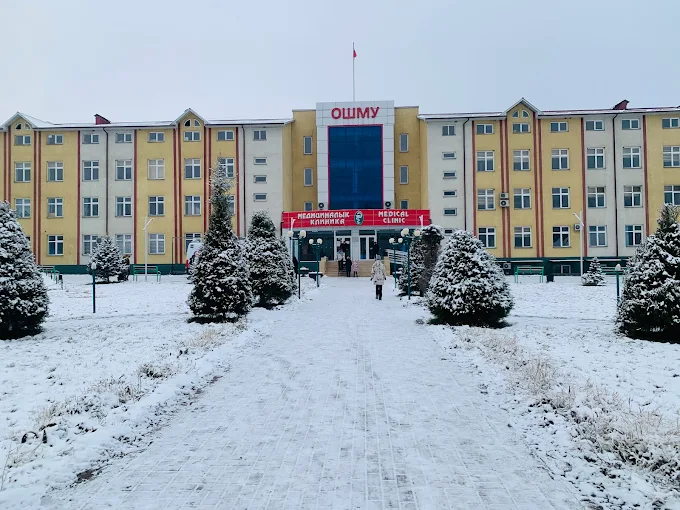
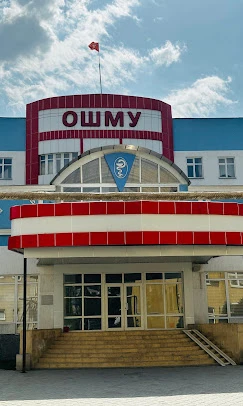
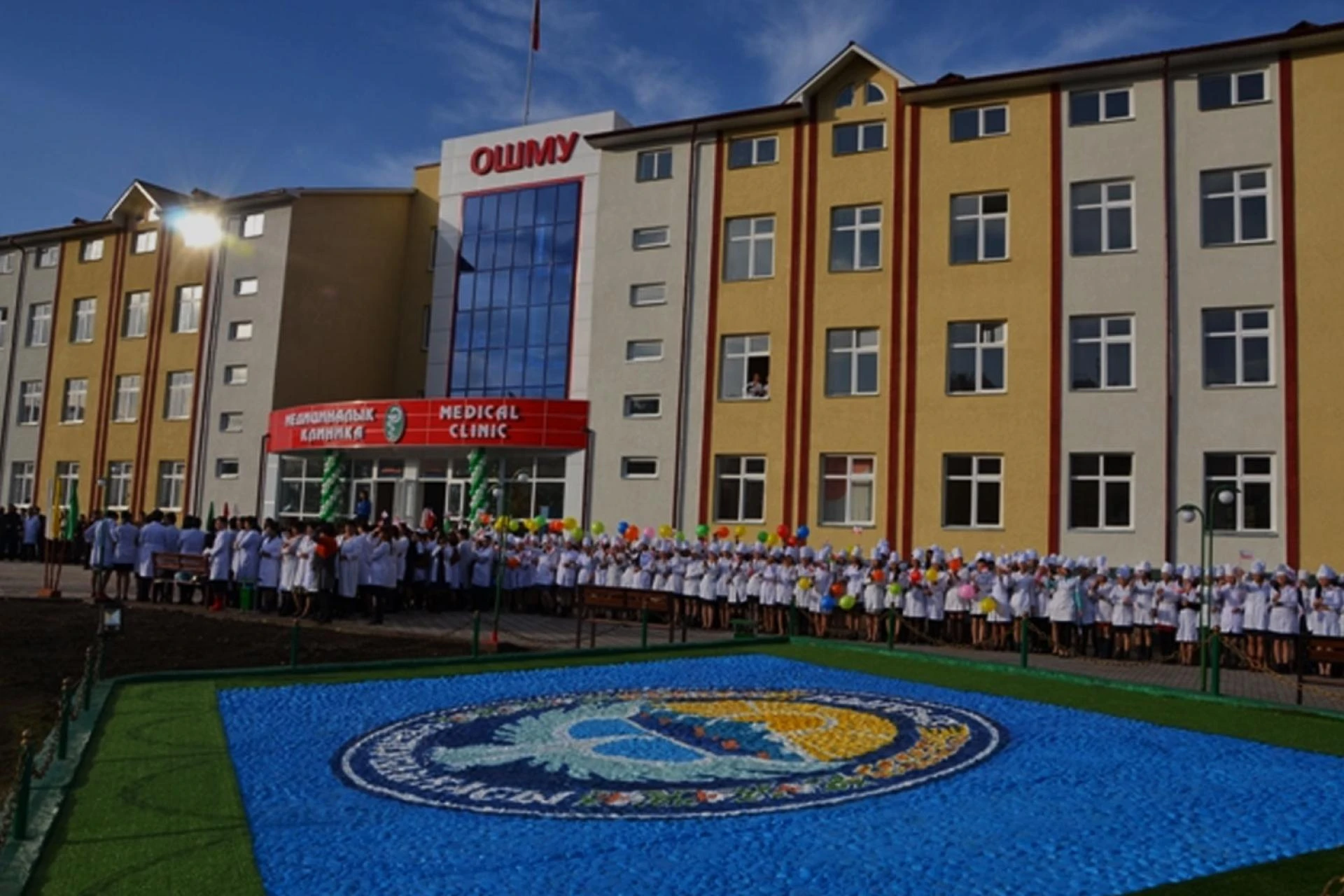
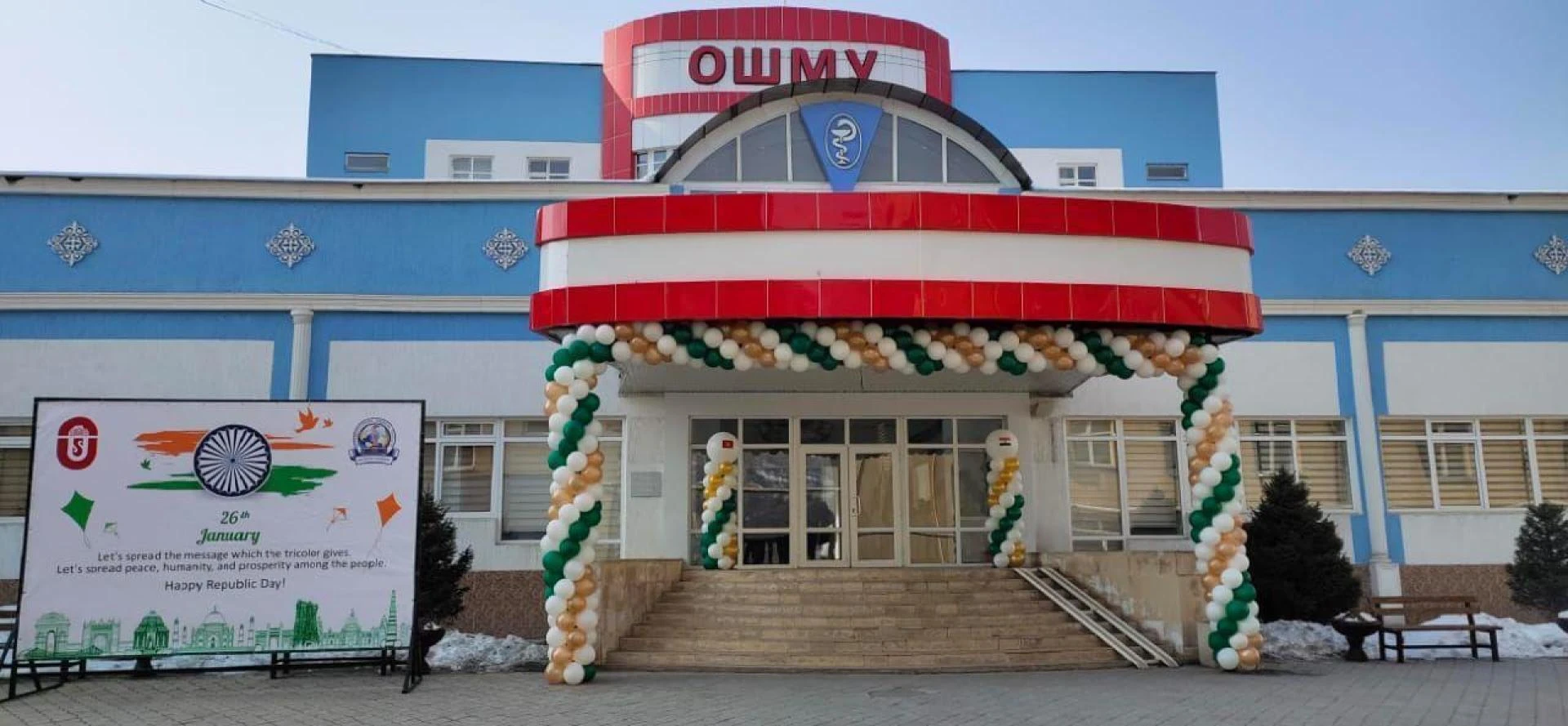
Institutions connected with Central Asian education hubs often support students from Pakistan due to cultural familiarity and geographic proximity. One such reference location commonly discussed by students is Ak – Bura Campus, Isanov Street, Yugo – Vostok, Kyrgyzstan. This area is known for hosting educational institutions and student accommodations.
Although Kyrgyzstan and Russia are different countries, this region is often part of student counseling discussions because of shared education pathways and regional accessibility for South Asian students. Proximity to Pakistan, direct flights, and similar academic systems make these regions easier to adapt to compared to far-off destinations.
Access to hostels, basic healthcare, halal food options, and student offices that handle international queries are practical factors families should evaluate before finalizing admission.
Practical Tips for Pakistani Students Planning Abroad
Before applying, students should follow a clear checklist:
- Verify university recognition status for the year of admission
- Understand total costs, including tuition and living expenses
- Ask about language of instruction and preparatory support
- Review hostel and safety arrangements
- Clarify post-graduation licensing pathways in Pakistan
It is also wise to speak with current students or graduates. Their experiences often provide insights not found in brochures.
Parents should be involved in decision-making, especially regarding documentation, visas, and financial planning. A structured approach reduces stress during the transition abroad.
Conclusion: Making an Informed MBBS Decision
Pursuing an MBBS degree is a long-term commitment that shapes your professional life. For Pakistani students, exploring options like MBBS in Russia offers a realistic balance between quality education and affordability. Understanding the MBBS course duration, recognition rules, and campus environment helps avoid costly mistakes.
Sign in to leave a comment.