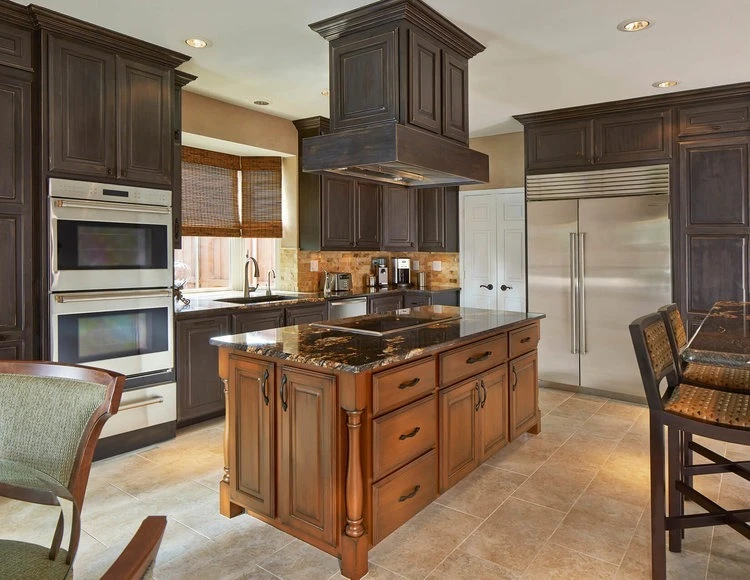

In modern homes, the kitchen no longer exists within four walls. Today, homeowners are blending the comfort of indoor cooking with the open-air appeal of outdoor kitchens. Whether you’re flipping burgers on the patio or prepping dinner inside, designing a seamless experience between the two spaces elevates functionality, flow, and everyday enjoyment. But how do you pull it all together without either side feeling like an afterthought?
Let’s discuss kitchen remodeling for both indoor and outdoor cooking spaces. We’ll get deep into smart design choices, materials that hold up, and layouts that make the transition from stove to the smoker as smooth as your favorite sauce.
Begin with the Big Picture: Layout and Flow
Start by treating your indoor and outdoor kitchens as a unified space. The goal is to create a natural flow from one to the other. Aligning them near each other saves time and steps. For example, placing your outdoor kitchen right off the main kitchen, especially near the dining area, reduces the back-and-forth during cooking or entertaining.
Think about traffic patterns, too. If people will be moving between both spaces often, keep pathways clear and wide. Use design features like bi-fold doors, large pass-through windows, or even a covered walkway to create a sense of continuity. This not only boosts convenience but helps both kitchens feel like part of the same experience.
Sync Up Your Style: Visual Harmony Matters
Nothing disrupts a seamless experience like a jarring style clash. If your indoor kitchen features sleek white cabinetry and matte black fixtures, don’t head outside and install a rustic stone setup with copper finishes—unless you're intentionally creating contrast.
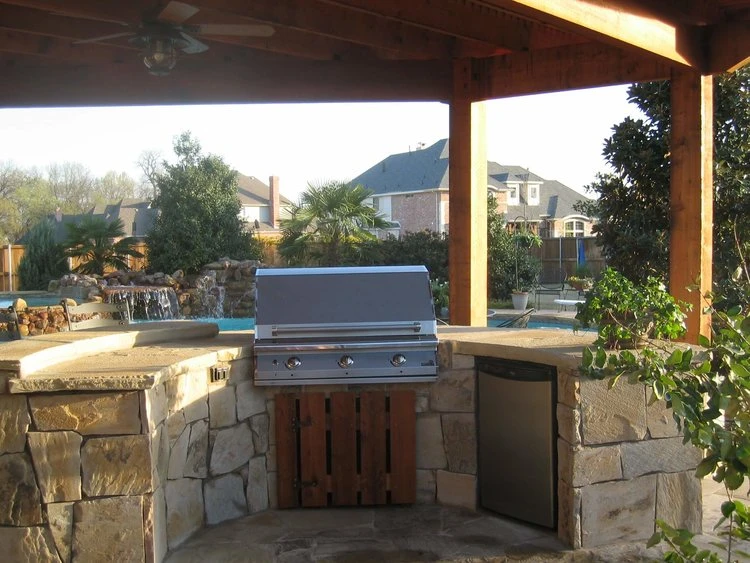
Instead, pick a design theme and carry elements from one space to the other for your indoor and outdoor kitchen remodel. This doesn’t mean copying the exact layout or material list. It means echoing color palettes, hardware finishes, or even cabinet profiles. A consistent look helps connect the two environments visually, even if they serve different purposes.
Want an easy win? Use the same countertops or backsplash tile in both spaces. It’s a subtle detail that makes a big impact.
Pick Smart Materials Built for Both Worlds
Materials make or break the kitchen remodeling experience, especially for outdoor kitchens. What works inside won’t always hold up outside. For your indoor kitchen, you’ve got a wide range of options: quartz, wood, marble, and more. But outside? You need durability.
For outdoor kitchens, stick to weather-resistant materials. Stainless steel appliances, marine-grade cabinetry, stone or concrete countertops, and non-slip porcelain tile are your best friends. They stand up to the sun, rain, and changing temperatures.
But here’s the trick to creating cohesion: choose materials that mimic or complement the ones used inside. If you have walnut cabinetry indoors, consider weatherproof composite cabinets in a similar tone for the outdoor area. If your indoor backsplash is white subway tile, a textured outdoor-friendly tile in the same color creates a visual bridge.
Functionality First: Create a Cooking Workflow That Works
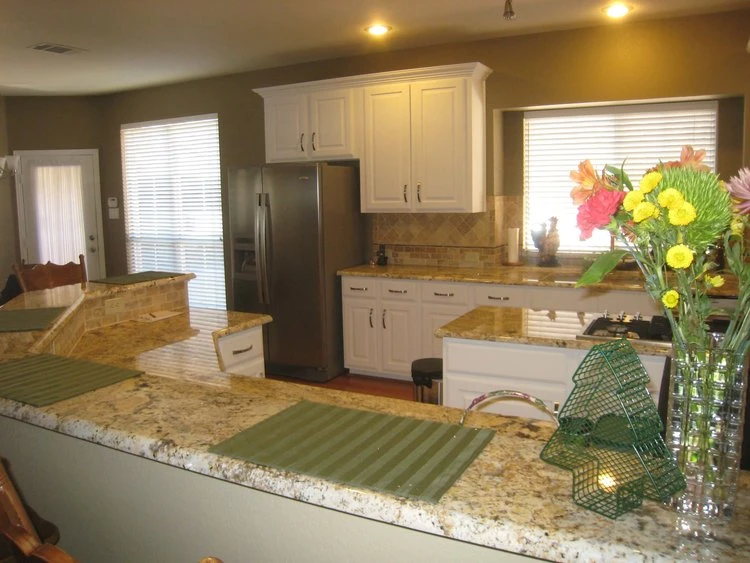
When remodeling both kitchens, plan around how you actually cook and entertain. Consider the work triangle—sink, stove, and fridge—and how it functions in both areas.
Your indoor kitchen might focus more on prep work and storage, while the outdoor version can shine as a social cooking zone. Still, it needs the basics: a grill, a sink, some counter space, and ideally a small fridge.
Avoid crowding either kitchen. Give yourself space to move, prep, and plate. If you entertain often, include features that make hosting easier, like bar seating outside or a beverage fridge inside, close to the patio door. The smoother the cooking and serving process, the more time you’ll spend enjoying your space rather than running laps between them.
Lighting and Comfort: Keep Both Spaces Inviting
Lighting plays a huge role in tying your spaces together. Use layered lighting indoors—think task lights under cabinets and pendant lights over the island—and extend that strategy outdoors. Add weatherproof sconces, string lights, or built-in LED strips to highlight counters and cooking zones outside.
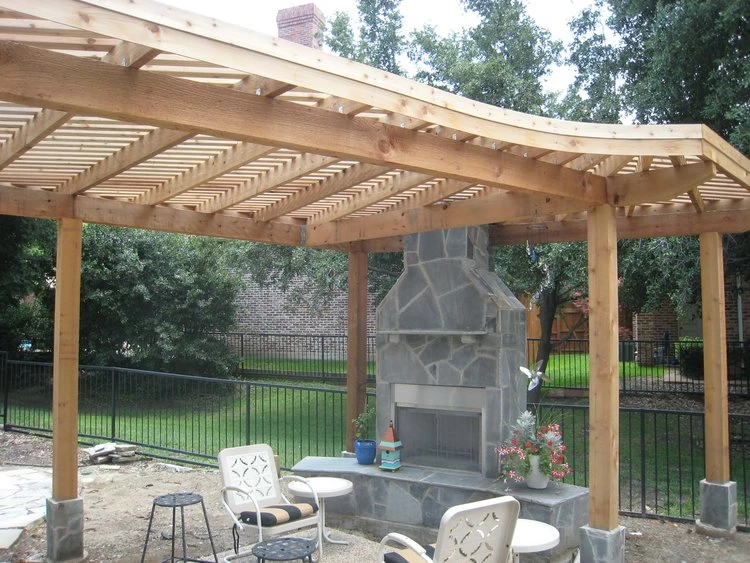
Comfort counts too. If your indoor kitchen has bar stools at the island, mirror that vibe outside with counter-height seating. If it’s air-conditioned indoors, consider adding ceiling fans or a pergola outdoors to keep things cool. Designing for comfort ensures both kitchens are places where people want to gather, not just cook.
Looking to elevate your cooking and entertaining experience with a truly seamless indoor-outdoor kitchen remodel in Plano, TX? At The Viking Craftsman, they understand the art of creating harmonious culinary spaces. If you’re seeking indoor and outdoor kitchen renovation experts to craft the perfect cooking spaces, their team is here to bring your vision to life. They specialize in translating your needs into the best outdoor kitchen designs and executing flawless kitchen remodeling projects with meticulous attention to detail.
About the Author
The author is a passionate home and lifestyle enthusiast with a keen eye for design and a love for all things culinary. Inspired by the seamless flow of indoor-outdoor living, they enjoy exploring innovative ways to increase the functionality and beauty of our living spaces. Through their blog, the author shares practical tips and insightful ideas to help readers create homes that truly reflect their personal style and cater to their lifestyle needs, one thoughtful design at a time.












Sign in to leave a comment.