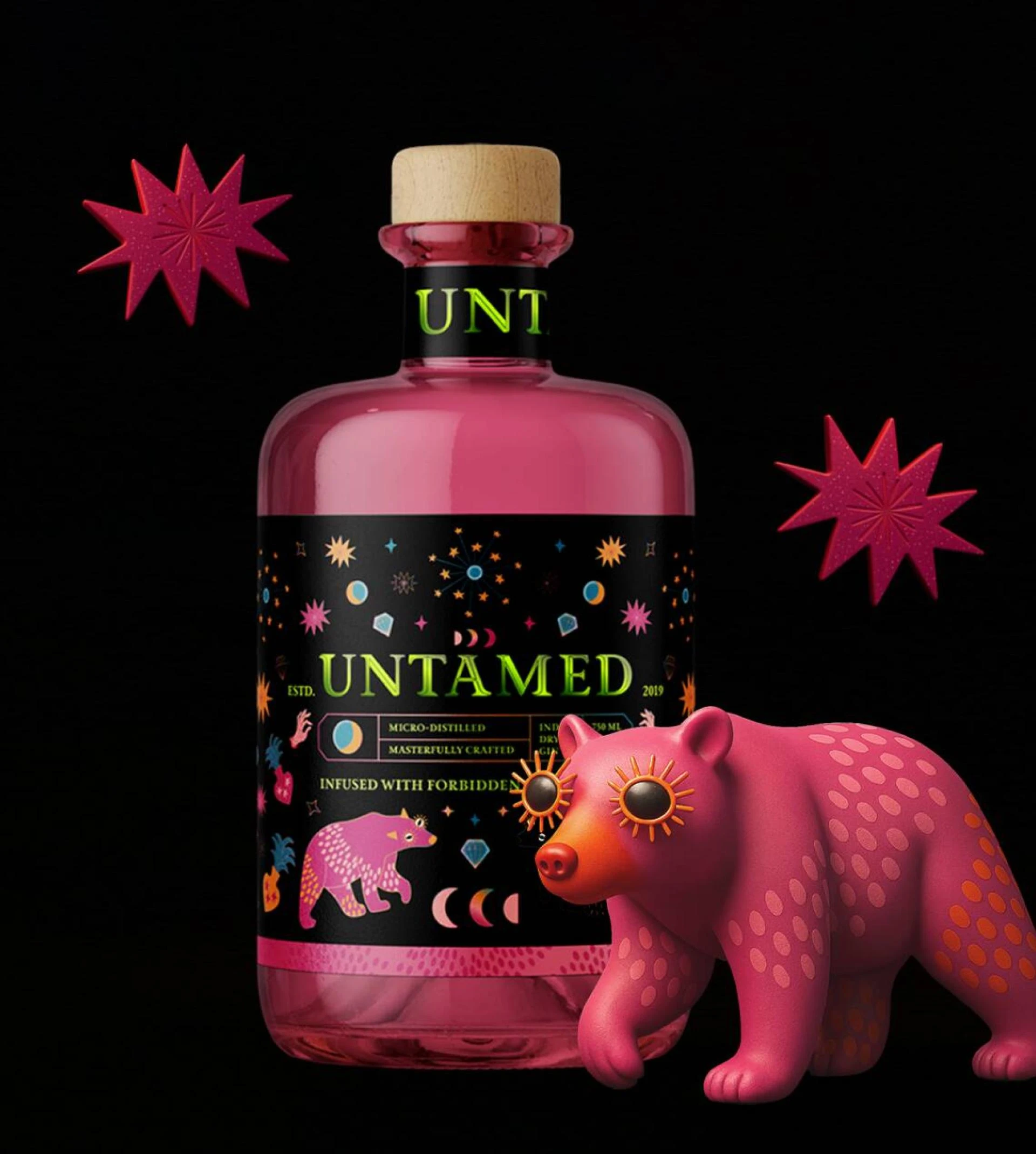

Introduction: The Intersection of Packaging Design and User Experience
Packaging design transcends the role of mere containment. It serves as an integral extension of the product’s user experience (UX), influencing consumer interaction from the initial touchpoint through to product use. This convergence of packaging and UX creates a holistic brand encounter that can significantly sway customer satisfaction and loyalty.
Understanding Packaging as a Tangible Touchpoint in the User Journey
The packaging is often the first tangible interaction a consumer has with a product. It functions as a physical gateway that bridges marketing promises with the actual product experience. This initial contact shapes expectations and sets the tone for the entire user journey, making packaging a crucial UX element in its own right.
The Psychological Impact of Packaging on Consumer Perception
Packaging subtly manipulates cognitive and emotional responses. Through color, texture, typography, and form, it can evoke trust, excitement, or luxury. This psychological interplay fosters a subconscious narrative that can enhance perceived product value even before the item is unwrapped.
Packaging Design Principles That Complement Product UX
1. Cohesive Brand Identity Across Product and Packaging
Consistency in visual and tactile elements reinforces brand recognition. Packaging aligned with product design language ensures a seamless transition from external presentation to internal utility, fortifying the brand’s narrative coherence.
2. Ergonomics and Functional Usability in Packaging
Packaging must facilitate ease of handling, opening, and storage. Ergonomic considerations reduce user frustration and elevate convenience, echoing the product’s commitment to user-centric design.
3. Sensory Engagement Beyond Visual Aesthetics
Incorporating multisensory elements—such as scent, sound, and tactile finishes—enriches the user experience. These nuances create memorable interactions that transcend conventional packaging boundaries.
Packaging as a Medium for Storytelling and Emotional Connection
Effective packaging narrates the brand story, connecting emotionally with consumers. It communicates values, heritage, and product benefits in a compelling manner, fostering brand affinity and trust.
The Role of Packaging in Enhancing First Impressions and Unboxing Experience
The unboxing ritual has evolved into a critical UX moment. Thoughtfully designed packaging that surprises and delights amplifies user satisfaction, encouraging social sharing and organic word-of-mouth marketing.
Sustainability in Packaging: Aligning User Values with Brand Ethics
Eco-conscious packaging resonates with an increasingly discerning consumer base. Sustainable materials and minimalist design not only reduce environmental impact but also convey the brand’s ethical stance, enhancing user trust.
Packaging Design’s Influence on Purchase Decision and Customer Loyalty
Packaging influences purchasing behavior by attracting attention, communicating quality, and differentiating products on crowded shelves. Positive packaging experiences also nurture repeat purchases and brand loyalty.
Integrating Digital Elements: Smart Packaging and UX Innovation
Emergent technologies such as QR codes, NFC tags, and augmented reality transform packaging into interactive platforms. These innovations deepen engagement, providing additional product information or immersive experiences that complement physical UX.
Case Studies: Exemplary Brands Leveraging Packaging as UX Extension
Brands like Apple and Lush exemplify packaging as a UX extension. Apple’s minimalist, precision-engineered boxes mirror its product ethos, while Lush’s eco-friendly, tactile packaging reinforces its natural, ethical brand personality.
Challenges in Harmonizing Packaging Design with Product UX
Balancing aesthetics, functionality, cost, and sustainability poses significant challenges. Conflicting priorities between marketing and product teams can complicate design coherence, necessitating strategic collaboration.
Best Practices for Collaborating Between UX Designers and Packaging Experts
Effective partnerships involve early cross-disciplinary collaboration, shared goals, and iterative prototyping. Aligning user research insights with packaging constraints ensures integrated solutions that elevate the overall experience.
Future Trends: The Evolution of Packaging as a UX Strategy
The future portends greater integration of personalization, AI-driven customization, and bio-degradable smart materials. Packaging will increasingly act as a dynamic interface, bridging physical and digital experiences fluidly.
Conclusion
Packaging design, when harnessed as a strategic extension of product UX, amplifies brand storytelling, user satisfaction, and market differentiation. It transforms the mundane into the memorable, forging enduring connections that transcend the product itself. Embracing this holistic approach is indispensable for brands aspiring to thrive in an experience-driven marketplace.











Sign in to leave a comment.