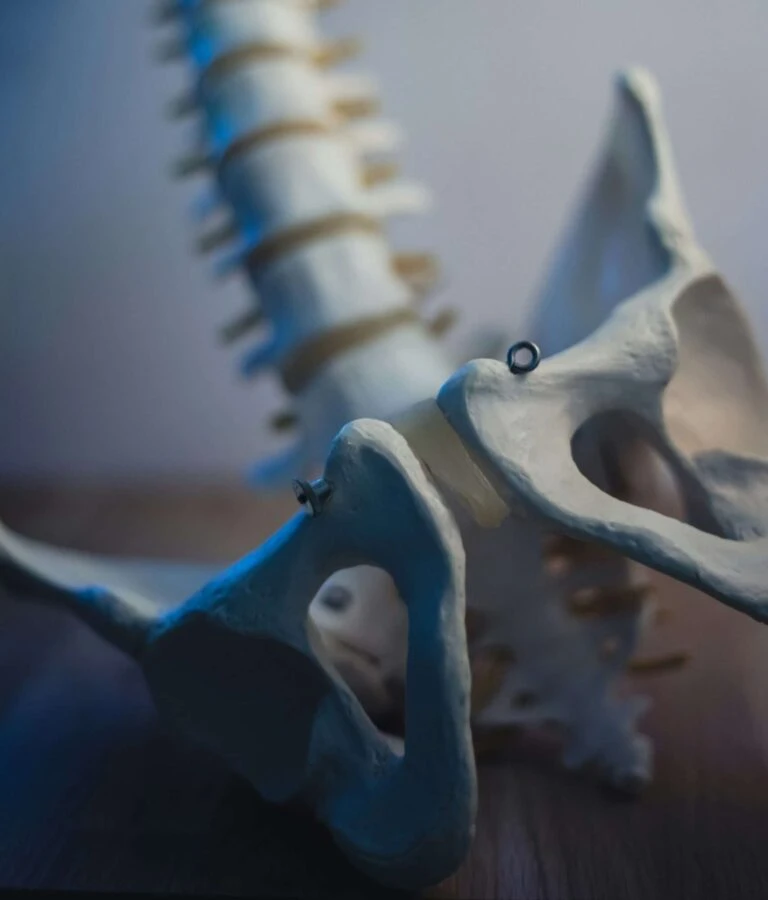

Pelvic injuries are among the most serious types of personal injury, often leaving individuals facing long recovery times and permanent challenges. Since the pelvis connects the upper and lower body, damage in this area can cause mobility problems, persistent pain, and difficulties with everyday activities. When such an injury results from another party’s negligence, the injured person may have the right to pursue pelvis injury compensation.
Claim Time Solicitors has extensive experience in this area of law, with a dedicated team that supports clients through the entire legal process. With more than 15 years of expertise in personal injury claims, they work to secure the maximum compensation available while providing clear and compassionate advice.
Who can make a pelvis injury claim?
A pelvis injury claim may be possible if:
- A duty of care was owed.
- That duty was breached through negligence or carelessness.
- The breach directly caused the pelvic injury.
The laws that apply depend on the situation in which the injury occurred. For example:
- Road Traffic Act 1988 – if the injury happened in a road accident.
- Health and Safety at Work Act 1974 – if the incident took place at work.
The solicitors carefully assess each case, ensuring that legal rights are protected at every stage.
Common situations leading to pelvis injury claims
Pelvic injuries can occur in a variety of settings. The most frequent causes include:
- Road traffic collisions – involving cars, motorcycles, or bicycles.
- Workplace accidents – linked to faulty equipment, unsafe practices, or poor training.
- Slips, trips, and falls – whether in public places, shops, or private premises.
- Sports incidents – caused by negligence or unsafe environments.
- Public accidents – such as those in parks, playgrounds, or poorly maintained areas.
If negligence played a role in the accident, a claim for compensation may be justified.
Types of pelvic injuries that may lead to claims
Pelvic injuries differ in severity, but even less serious cases can have long-lasting consequences. Examples include:
- Fractured pelvis – broken bones caused by serious impacts or trauma.
- Labral tears – damage to the cartilage around the hip joint.
- Soft tissue injuries – including damage to ligaments, muscles, or tendons.
- Osteoarthritis – developing as a long-term effect of a pelvic injury.
Compensation can cover not only the injury but also related financial losses, such as medical bills, rehabilitation costs, and loss of income.
Evidence required for a pelvis injury claim
Building a strong claim requires evidence, which may include:
- Medical assessments and reports.
- Official accident reports (from work, road, or public incidents).
- Witness statements or CCTV footage.
- Proof of expenses and financial losses.
This documentation strengthens the case and supports a fair compensation outcome.
No Win, No Fee pelvis injury claims
Recovering from a pelvis injury is stressful enough without worrying about legal fees. Claim Time Solicitors therefore operates on a no win, no fee basis, meaning clients only pay if the claim is successful.
They also offer:
- A free initial consultation to evaluate the case.
- Clear advice tailored to each situation.
- Ongoing support throughout the claims process.
Conclusion
A pelvis injury can have a life-changing impact, but with the right legal assistance, compensation can ease the financial and personal burden. Claim Time Solicitors is committed to helping injured individuals secure the justice and support they deserve, ensuring the recovery journey is backed by expert guidance.
For free, confidential advice, contact Claim Time Solicitors today and take the first step towards a fair settlement.















Sign in to leave a comment.