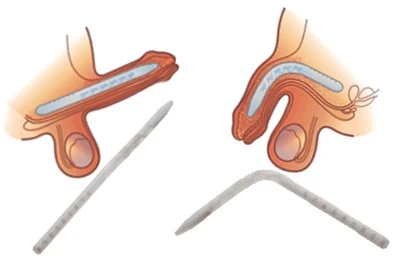

Penile enlargement is a topic that has attracted significant attention worldwide, as many men seek ways to increase confidence, improve sexual performance, or enhance their intimate relationships. While the subject often carries stigma and misinformation, medical advancements and safe techniques have made it possible to explore various enlargement methods. This blog provides a clear understanding of penile enlargement options, their potential benefits, and the crucial safety considerations every individual should know.
Understanding Penile Enlargement
Penile enlargement refers to different medical or non-medical approaches aimed at increasing the size, girth, or appearance of the penis. These methods can be surgical or non-surgical and may vary in terms of effectiveness, safety, and long-term results.
Common Methods of Penile Enlargement
1. Surgical Methods
- Penile Implants: Used for men with erectile dysfunction, implants can also add size and rigidity.
- Suspensory Ligament Release: A surgical procedure that cuts the ligament attaching the penis to the pubic bone, making it appear longer.
- Fat Transfer or Dermal Grafts: Fat from another part of the body or tissue grafts are injected to increase girth.
Pros: Permanent results, noticeable enlargement.
Cons: Expensive, requires recovery time, and carries surgical risks.
2. Non-Surgical Procedures
- Dermal Fillers: Hyaluronic acid or other fillers can add temporary girth.
- Platelet-Rich Plasma (PRP) Injections: Believed to improve blood flow and sensitivity.
- Vacuum Devices (Pumps): Creates suction to temporarily enhance size.
Pros: Less invasive, shorter recovery, relatively safer.
Cons: Temporary results, may require repeated sessions.
3. Natural and At-Home Methods
- Exercises (Jelqing or Stretching): Techniques believed to improve length or girth through manual stimulation.
- Supplements and Pills: Marketed to boost blood flow and performance, but often lack scientific backing.
- Extender Devices: Mechanical stretchers worn for extended periods to encourage growth.
Pros: Accessible, inexpensive.
Cons: Limited scientific proof, risk of injury if misused.
Benefits of Penile Enlargement
- Boost in Self-Confidence: Men who feel insecure may gain psychological comfort.
- Improved Intimacy: Some report better sexual satisfaction and performance.
- Correcting Medical Conditions: Certain methods help men with erectile dysfunction or Peyronie’s disease.
- Aesthetic Enhancement: Procedures can improve penile proportions, making them more aligned with body structure.
Safety Considerations
While the desire for enlargement is understandable, safety should always come first.
- Consult a Qualified Urologist – Only a licensed medical professional can recommend suitable procedures.
- Beware of Myths – Many online claims and unregulated products are unsafe.
- Understand the Risks – Surgical methods may lead to infection, scarring, or dissatisfaction with results.
- Cost Factor – Some procedures are costly, and repeated sessions (for fillers or injections) add up.
- Psychological Health – Sometimes, body image concerns stem from unrealistic expectations rather than actual size issues.
Who Should Consider Penile Enlargement?
Penile enlargement is not necessary for most men, as average penis size typically falls within a functional and satisfying range. However, candidates may include:
- Men with medical conditions affecting penile function.
- Those experiencing psychological distress due to perceived size issues.
- Individuals seeking aesthetic or performance improvements under professional advice.
Conclusion
Penile enlargement is a complex subject that combines medical science, psychology, and personal desire. While multiple methods are available—from surgical interventions to non-surgical enhancements—it is vital to prioritize safety and realistic expectations. Consulting with a qualified specialist ensures that the chosen approach aligns with individual health needs and goals.












Sign in to leave a comment.