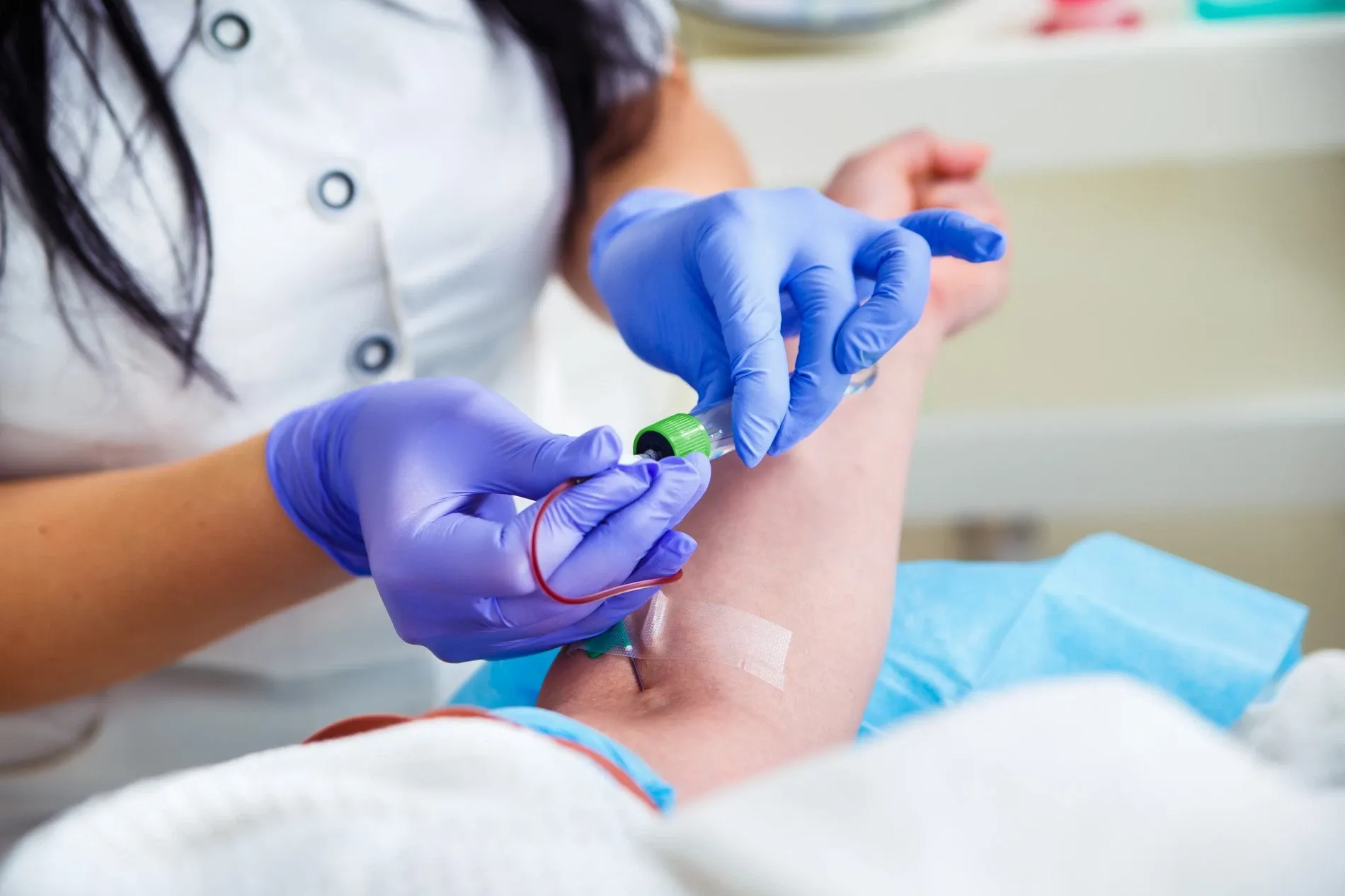

A phlebotomy course is one of the most effective ways to begin a career in healthcare. With increasing demand for trained professionals in hospitals, clinics, and diagnostic centres, phlebotomy offers a fast and practical entry into the medical field. Whether you are a beginner or someone looking to expand your healthcare knowledge, enrolling in a structured course can help you gain the essential skills required to succeed.
Phlebotomy involves collecting blood samples for testing, diagnosis, and treatment monitoring. It is a critical part of patient care, as accurate blood analysis supports medical decisions. A well-designed course not only teaches the technical aspects of blood collection but also focuses on patient interaction, safety procedures, and professional conduct.
Why Choose a Phlebotomy Course?
Choosing a phlebotomy course provides a direct pathway into healthcare without the need for lengthy academic study. Unlike many medical professions that require years of education, phlebotomy training can be completed in a shorter time while still offering valuable, hands-on experience.
This makes it an attractive option for individuals who want to enter the workforce quickly. It is also ideal for career changers who are looking for a meaningful profession with strong job prospects. The healthcare sector continues to grow, and skilled professionals are always in demand.
A phlebotomy course equips learners with practical knowledge that can be applied immediately in clinical settings. This includes understanding how to handle equipment, maintain hygiene standards, and ensure patient safety during procedures.
Becoming a Phlebotomist
After completing training, individuals can pursue a career as a phlebotomist, a role that is essential in both NHS and private healthcare environments. Phlebotomists work closely with patients, collecting blood samples while ensuring comfort and professionalism.
The role requires a combination of technical ability and interpersonal skills. Patients may feel anxious about blood tests, so a calm and reassuring approach is important. A trained phlebotomist knows how to communicate effectively, explain procedures clearly, and create a positive patient experience.
Working as a phlebotomist also provides valuable exposure to the healthcare system. It allows individuals to interact with different medical professionals and gain insight into clinical processes, making it a strong foundation for future career growth.
Developing Strong Clinical Skills
A high-quality phlebotomy course focuses on building essential Clinical Skills that are required in healthcare settings. These skills include venepuncture techniques, infection control, patient care, and accurate sample handling.
Clinical skills are not just about performing procedures; they also involve understanding the importance of safety, precision, and professionalism. In healthcare, even small errors can have significant consequences, so attention to detail is crucial.
Practical training plays a key role in developing these skills. Through supervised sessions, learners gain confidence and experience, preparing them to work in real clinical environments. This hands-on approach ensures that students are ready to meet the expectations of employers.
Pathways into NHS Careers
One of the main advantages of completing a phlebotomy course is the opportunity to pursue nhs careers. The NHS offers a wide range of roles and is known for providing stable employment and career progression opportunities.
Phlebotomists are an important part of NHS teams, supporting diagnostic services and patient care. By gaining the right training and experience, individuals can secure entry-level positions and begin building their careers within the healthcare system.
Working in the NHS also provides access to ongoing training and development. Many professionals start as phlebotomists and later move into roles such as nursing, laboratory work, or specialised clinical fields. This makes phlebotomy an excellent starting point for long-term career growth.
What to Expect from a Phlebotomy Course
A comprehensive phlebotomy course typically includes both theoretical and practical components. Students learn about anatomy, blood collection techniques, infection prevention, and patient communication. These topics provide a strong foundation for safe and effective practice.
Practical sessions allow learners to apply their knowledge and develop confidence in performing procedures. Under the guidance of experienced trainers, students refine their technique and learn how to handle real-life situations.
Support and feedback are also important aspects of training. A good course provider ensures that learners receive guidance throughout their journey, helping them overcome challenges and improve their skills.
Career Opportunities and Growth
Completing a phlebotomy course opens the door to a variety of career opportunities. Phlebotomists can work in hospitals, GP surgeries, private clinics, laboratories, and blood donation centres. The demand for these roles remains strong, offering job security and stability.
With experience, professionals can take on additional responsibilities or pursue further training to expand their skill set. This may include learning new procedures or moving into supervisory roles. Continuous development is key to building a successful career in healthcare.
Phlebotomy also provides a sense of purpose, as professionals contribute directly to patient care and medical diagnosis. This makes it a fulfilling career choice for those who want to make a positive impact.
Conclusion
A phlebotomy course is a practical and accessible way to enter the healthcare sector. It provides the knowledge and hands-on experience needed to become a skilled phlebotomist while developing essential Clinical Skills. For those interested in nhs careers, this training offers a strong foundation and clear pathway into the industry.
With the right course, dedication, and commitment to learning, individuals can build a rewarding career in healthcare. Phlebotomy not only offers immediate job opportunities but also opens doors to long-term professional growth and development.










Sign in to leave a comment.