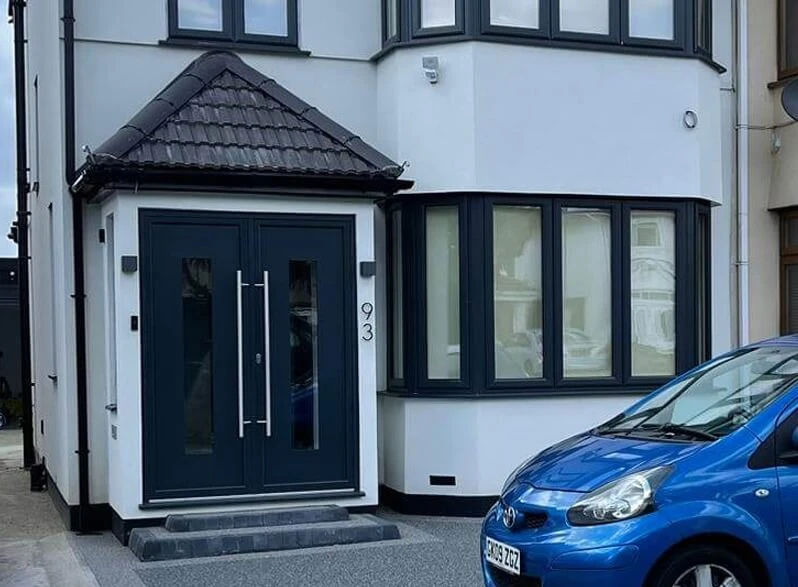

Dreaming of a bigger kitchen, a new living space, or an extra bedroom? A home extension can be a game-changer, adding significant space, functionality, and aesthetic value to your property. But before you get lost in the exciting world of design and décor, the first and most critical step is to plan your budget. Without a clear financial roadmap, even the most ambitious projects on home extensions in Romford can run into trouble.
The Golden Rule: Start with a Realistic Budget
Underestimating the cost is the most common mistake homeowners make when planning an extension. The prices you see online or in magazines are rough guides and don't account for your unique situation.
Before you even ask builders for a quote, you need to set a realistic budget for what you are able and willing to spend. As a general rule of thumb, it's wise to set aside 10-15% of your total budget as a contingency fund. This is non-negotiable.
Unexpected changes in plans, unforeseen ground conditions, or sudden spikes in material costs can occur. A contingency fund ensures these surprises don't derail your entire project.
Breaking Down the Costs: A Detailed Look at Every Expense
The home extensions budget includes several key components. Let's break them down to give you a clearer picture of where your money will go.
1. Design and Professional Fees (5-10% of total budget)
This is the first money you'll spend, and it's money well-spent. These specialists are crucial for a successful project.
- Architect/Designer:
For creating the initial plans, drawings, and securing the necessary permissions. Their fees can vary based on their experience and the complexity of the design.
- Structural Engineer:
- Essential for designing the structural steel beams (RSJs), to ensure it is safe and compliant with building regulations.
- Surveyor:
A surveyor may be required for a detailed site survey or to handle party wall agreements with your neighbours.
- Planning Application Fees:
- The local authority charges a fee for reviewing and processing your planning application.
2. Construction Costs (60-70% of total budget)
This is the most significant of your budget and covers the actual building of the extension. It can be broken down further:
- Groundwork and Foundations:
Digging the foundations, laying the concrete slab, and ensuring a solid base for the structure. This approach can be one of the most unpredictable costs, as it depends on the ground conditions.
- Building the Shell:
This includes the walls, roof, doors, and windows. The cost of home extensions will depend on the materials you choose (e.g., brick, timber frame, glass).
- Structural Elements:
The cost of steel beams, timber frames, and other structural components.
- Roofing:
The type of roof (e.g., flat, pitched, tiled) and the materials used will impact the price.
- Doors and Windows:
The cost of bi-fold doors, sliding doors, and large windows can add up. High-quality glazing is a significant investment but is essential for insulation and aesthetics.
- Insulation:
Insulating the walls, floor, and roof to meet building regulations and improve energy efficiency.
3. Internal Fit-Out (15-20% of total budget).
This is where your home extensions start to feel like a living space.
- Plastering and Decorating:
This includes plastering the walls and ceiling, as well as the cost of painting and decorating.
- Flooring:
The type of flooring you choose (e.g., wood, tile, carpet) can have an impact on the feel and cost.
- Electrical Work:
Installing lighting, sockets, and wiring.
- Plumbing:
Connecting radiators, underfloor heating, and new plumbing for a kitchen or bathroom.
- Heating:
Connecting to the existing central heating system or installing a new one.
- Kitchen/Bathroom Units:
If your extension is for a new kitchen or bathroom, the cost of the units, appliances, and sanitary ware will be a significant factor.
4. The Hidden and Often Forgotten Costs
These are the costs that homeowners often forget to include in their initial budget, but they can add up.
- Demolition and Waste Removal:
The cost of taking down any existing walls, sheds, or structures and disposing of the waste.
- Contingency Fund:
As mentioned, this is crucial.
- Landscaping:
The area around your new extension will need to be re-landscaped. This approach includes patios, decking, or a new lawn.
- Professional Cleaning:
A comprehensive clean of the entire house after the builders have finished.
- Furniture and Furnishings:
The cost of new furniture, curtains, and décor for the new space.
- VAT:
Value Added Tax (VAT) is a significant expense that is overlooked when discussing costs with builders. Always ask if their quote includes VAT.
Managing Your Budget Throughout the Project
- Get Detailed Price Quotes:
Don't accept a single number. Ask for a detailed, itemized price quote from at least three different builders. This strategy will allow you to compare costs and see exactly where your money is going.
- Be Clear on Specifications:
The price quote should have a clear set of specifications. If you change your mind on a material or a design element halfway through, it will cost you more.
- Track Your Spending:
Keep a spreadsheet and track every single expense. This approach will help you stay within your budget and manage your contingency fund.
- Regular Communication:
Maintain regular communication with your builder. Ask for updates on the project timeline and budget.
Conclusion
Planning your home extension budget is a detailed process, but it's the foundation of a successful and stress-free project. To ensure your dream extension becomes a reality without a financial nightmare, understand all the potential costs and prepare for the unexpected.
Ready to take the first step toward expanding your home?
Trust Torba Building Services today for a free, no-obligation consultation for home extensions in Romford. The experienced team of the company can help you understand all the costs involved, provide a clear and transparent price quote, and guide you through every step of your home extension project. They have the expertise to turn your vision into reality on time and on budget.













Sign in to leave a comment.