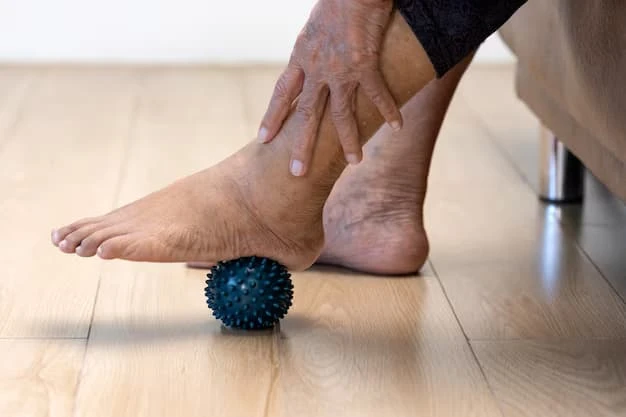

Plantar fasciitis, a common condition affecting the foot, often manifests as sharp pain in the heel or along the arch. This discomfort can disrupt daily activities and make simple tasks, such as walking or standing, a daunting challenge. Fortunately, finding the right footwear and insoles can significantly contribute to relief from plantar fasciitis. This article delves into the best shoes and insoles designed to alleviate the symptoms associated with this condition, providing insights and recommendations based on expert opinions and user experiences.
Understanding Plantar Fasciitis
To truly appreciate how specific shoes and insoles can aid in relief, it’s essential to understand the anatomy involved. The plantar fascia is a thick band of tissue that runs across the bottom of the foot, connecting the heel bone to the toes. When this tissue becomes inflamed or strained, it can lead to the characteristic pain associated with plantar fasciitis. Factors contributing to this condition include excessive physical activity, obesity, and even certain foot structures, such as flat feet or high arches.
The pain often worsens with the first steps in the morning or after prolonged sitting, making it imperative for those affected to find supportive footwear. The right shoes can cushion and provide stability, reducing strain on the plantar fascia. Thus, understanding what to look for in footwear is crucial for anyone seeking relief from this painful ailment.
Key Features to Look for in Shoes
When searching for shoes that can provide relief from plantar fasciitis, several key features should be prioritized. First and foremost, arch support is essential. Proper arch support helps distribute body weight evenly across the foot, reducing stress on the plantar fascia. Shoes designed with built-in arch support or removable insoles that accommodate orthotics can significantly enhance comfort levels.
Another critical feature is cushioning. Shoes with ample cushioning absorb shock during walking and running, minimizing impact on the heel and arch. A cushioned midsole, often made from materials like EVA foam or gel, can provide the necessary support and comfort, especially for those who spend long hours on their feet.
Moreover, the fit of the shoe cannot be overlooked. A snug yet comfortable fit prevents unnecessary movement within the shoe, which can exacerbate pain. Shoes that are too tight can create pressure points, while those that are too loose may lead to instability. Therefore, trying on shoes with the socks typically worn during activities is advisable to ensure an accurate fit.
Lastly, flexibility is an important aspect. While some rigidity is necessary for support, shoes should also allow for natural foot movement. A shoe that bends easily at the ball of the foot promotes a more natural stride and reduces strain on the plantar fascia.
Recommended Shoe Types
Walking Shoes
Walking shoes are often an excellent choice for individuals suffering from plantar fasciitis. These shoes typically feature good arch support, cushioning, and a flexible sole. Brands renowned for their walking shoes often incorporate technology aimed specifically at addressing foot pain.
For example, a walking shoe designed with a contoured footbed can provide targeted support, while cushioning in the heel area can help absorb shock during each step. Many users have reported significant improvements in comfort and reduction in pain when switching to a walking shoe tailored for plantar fasciitis.
Running Shoes
While primarily designed for running, many running shoes offer features beneficial for those with plantar fasciitis. Look for running shoes with a neutral arch support and ample cushioning. The latest advancements in running shoe technology have led to the creation of models that provide excellent energy return and shock absorption, reducing the impact on the feet.
It is also worth noting that many running shoes offer a wider toe box, which allows for natural toe splay. This feature can be particularly beneficial for individuals with foot conditions, as it reduces pressure on the forefoot and enhances overall comfort.
Athletic Shoes
Athletic shoes encompass a broad category, including cross-training and gym shoes. These shoes often combine the support and cushioning necessary for diverse activities. When selecting athletic shoes, ensure they provide sufficient arch support and stability, particularly if engaging in activities that involve lateral movement.
Moreover, some models come equipped with removable insoles, allowing users to replace them with custom orthotics tailored to their specific foot needs. This flexibility can be particularly valuable for those seeking personalized relief from plantar fasciitis.
Sandals and Casual Shoes
While many people may overlook sandals and casual footwear, several models are designed with comfort and arch support in mind. Sandals with contoured footbeds and adjustable straps can offer both style and relief. Look for sandals that provide arch support, cushioning, and a sturdy sole to help alleviate discomfort.
Casual shoes, such as slip-ons or loafers, can also be found with supportive features. It’s essential, however, to prioritize comfort over aesthetics—selecting shoes that may look good but lack support can exacerbate symptoms of plantar fasciitis.
Choosing the Right Insoles
In addition to selecting appropriate footwear, investing in high-quality insoles can make a significant difference in managing plantar fasciitis. Insoles designed explicitly for plantar fasciitis often provide enhanced arch support, shock absorption, and cushioning.
Orthotic Insoles
Custom orthotic insoles are tailored to an individual's unique foot structure and can address specific needs, providing unparalleled support and comfort. Consulting with a podiatrist or foot specialist is advisable for those considering orthotics, as they can recommend the best options based on individual foot mechanics.
Over-the-Counter Insoles
For those who may not seek custom solutions, over-the-counter insoles can also be effective in providing additional support. Many brands offer insoles specifically designed for plantar fasciitis, featuring arch support and cushioning aimed at reducing pain. These insoles can easily be transferred between different shoes, ensuring consistent support throughout the day.
Lifestyle Considerations for Managing Plantar Fasciitis
While finding the right shoes and insoles is crucial, adopting certain lifestyle changes can also contribute to relief from plantar fasciitis. Stretching exercises focused on the calf muscles and plantar fascia can improve flexibility and reduce tension. Regularly practicing these stretches can prepare the feet for daily activities and minimize discomfort.
Additionally, maintaining a healthy weight can alleviate pressure on the feet, further aiding in the management of plantar fasciitis symptoms. Engaging in low-impact activities, such as swimming or cycling, can provide a break from high-impact exercises that may worsen heel pain.
Conclusion
In conclusion, finding the right shoes and insoles is paramount for anyone seeking relief from plantar fasciitis. By prioritizing features such as arch support, cushioning, and fit, individuals can significantly reduce their discomfort and improve their daily experiences. Whether opting for walking shoes, running footwear, or supportive sandals, the choices available today are varied and cater to different preferences and needs. For further information and recommendations, readers can explore resources available at Ler Magazine, which provides in-depth insights into effective solutions for managing plantar fasciitis. With the right approach, relief from plantar fasciitis is within reach, allowing individuals to reclaim their mobility and enjoy life to the fullest.











Sign in to leave a comment.