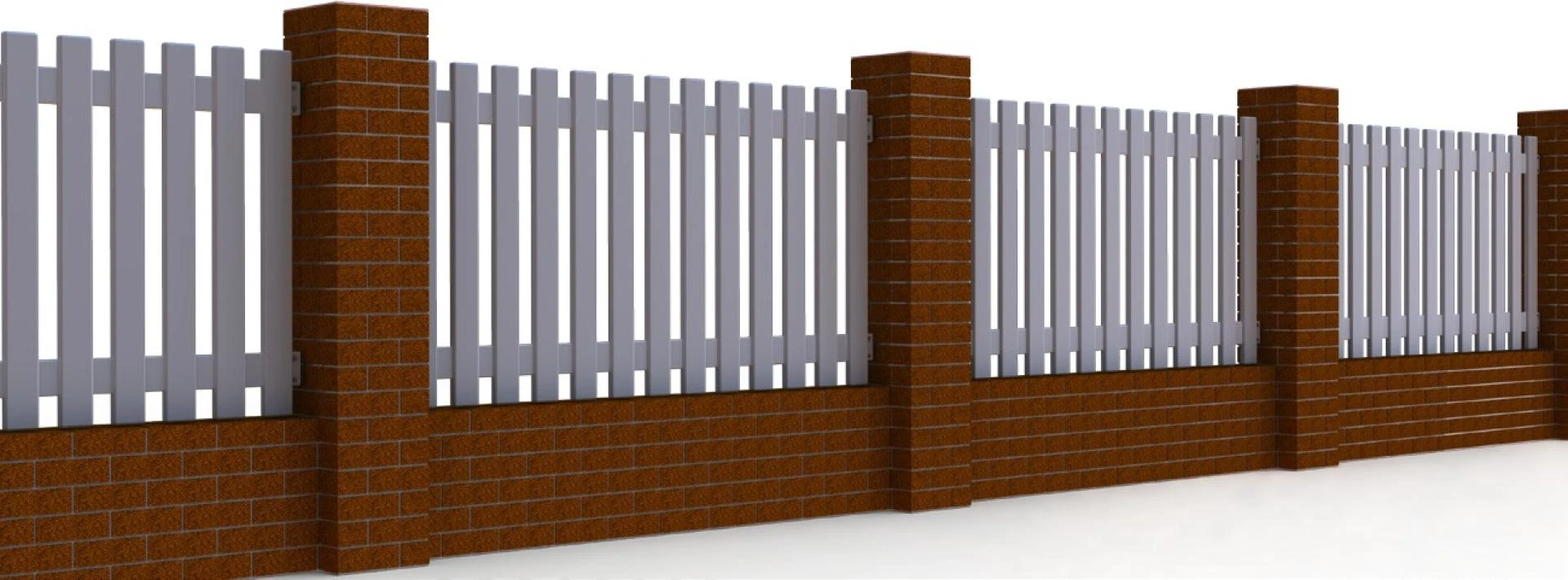

Plastic picket fences are changing the way property boundaries are defined in Australia, not because they’re new, but because they’re practical. Boundary fencing has always had multiple roles, from marking ownership and framing gardens to guiding movement and shaping how a property looks from the street or beyond the entrance. For many years, timber picket fences were the default choice. While undeniably charming, they came with well-known flaws.
Timber fences require constant upkeep. Exposure to sunlight leads to cracking and warping, while rain and humidity encourage rot. Paint can peel and fade much faster than expected. What starts as a timeless feature often becomes a never-ending maintenance task. For property owners tired of repainting, repairing, or replacing damaged sections, the appeal of a more durable alternative has become increasingly evident.
This growing demand for reliability has led to a rise in the popularity of plastic picket fences. Instead of relying solely on aesthetics, they tackle the practical issues that timber fencing has long struggled with in Australia’s challenging conditions. As a result, they are now seen across suburbs, rural properties, farms, and commercial spaces alike.
How Plastic Picket Fences Stand Apart
The defining difference lies in construction. Plastic picket fences are produced from heavy duty polyethylene, a material engineered to resist the environmental factors that degrade timber. Moisture absorption is eliminated, removing the risk of rot entirely. UV exposure does not trigger the same surface breakdown seen in painted or stained wood. Temperature variation has little impact on structural stability.
This combination results in fencing that remains visually consistent over long periods. Instead of uneven fading or patchwork repairs, the boundary retains a uniform finish. In coastal regions, tropical climates, and high UV zones, this stability becomes a significant advantage rather than a minor convenience.
Applications Across Property Types
Assumptions about where plastic picket fences belong often underestimate their versatility. While front yard boundaries remain a popular application, usage extends far beyond suburban streets.
Within residential properties, they provide definition for gardens, pathways, and pool areas while maintaining a clean and orderly appearance. Their consistent finish supports cohesive outdoor spaces without the distraction of weathered materials or mismatched repairs.
On farms and rural holdings, plastic picket fences are frequently installed around homestead gardens, vegetable areas, poultry enclosures, and decorative zones. These spaces benefit from fencing that looks deliberate yet does not add to already demanding maintenance schedules. When time is prioritised for core operations, reducing non essential upkeep becomes valuable.
Commercial and public environments present similar requirements. Parks, childcare centres, hospitality venues, and retail properties rely on boundaries that appear neat and professional year after year. Plastic picket fences meet these expectations without introducing ongoing maintenance costs that strain operational budgets.
Installation Without Complexity
Despite their durability, plastic picket fences are lighter than many traditional fencing materials. This characteristic simplifies handling and reduces physical effort during installation. Panels and posts are designed to align easily, allowing projects to progress efficiently without specialised equipment or advanced construction skills.
Once installed, attention requirements remain minimal. There is no painting schedule to plan around and no treatments to apply. Concerns associated with timber, such as concealed rot or moisture damage, are absent. Routine cleaning with water is generally enough to maintain a fresh appearance.
Considering Long Term Outcomes
Boundary fencing is rarely viewed as a short term decision. Most property owners aim to install once and avoid revisiting the issue for many years. Although plastic picket fences may present a higher upfront cost compared to some timber alternatives, their long term value becomes apparent over time.
Savings emerge gradually through reduced repairs, eliminated repainting, and fewer replacements. Time once allocated to maintenance is reclaimed, and the fence continues to perform its role without intervention.
For Australian properties seeking boundaries that combine reliability, visual consistency, and minimal upkeep, plastic picket fences reflect a broader shift in priorities. Durability has overtaken tradition, and performance now outweighs nostalgia. The result is a boundary solution aligned with modern property ownership, where efficiency and longevity matter as much as appearance.








Sign in to leave a comment.