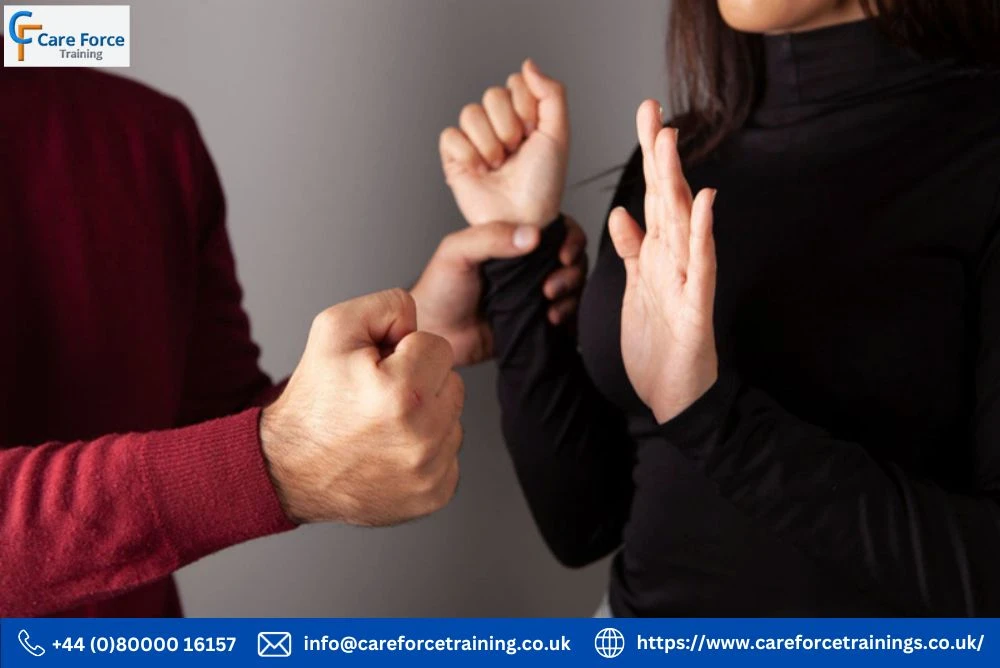

Working in health and social care often brings rewarding work - and sometimes difficult moments when behaviour becomes challenging. This guide to PMVA (Prevention and Management of Violence and Aggression) explains practical strategies, legal responsibilities, and training approaches that keep staff and service users safe. You’ll find clear explanations of de-escalation, risk assessment, restraint-reduction, and where PMVA fits across NHS mental health services, residential care, learning disability services, and secure units. Use this post as a practical reference for choosing training, improving practice, and building a safer workplace culture.
What Is PMVA and Why Is It Essential in Health and Social Care?
Working in health and social care often means supporting people who may experience distress, behavioural challenges, or heightened emotions. PMVA, which stands for Prevention and Management of Violence and Aggression, provides a structured approach to keeping both staff and service users safe.
PMVA is widely used across the NHS, mental health units, residential care homes, learning disability services, and secure units. It focuses on preventing incidents of violence through awareness, communication, and early intervention. For care professionals, PMVA is essential because it reduces risk, supports best practice, and ensures responses align with legislation such as the Mental Health Act, the Health and Social Care Act, and guidance from the Care Quality Commission (CQC).
How Does PMVA Training Help Staff Manage Challenging Behaviours Safely?
Supporting individuals who may present aggression demands confidence and skill. PMVA training gives staff the ability to recognise risks early and respond with calm, structured methods.
Through non-verbal communication, verbal de-escalation, and risk-awareness techniques, staff learn to prevent situations from escalating. The training also helps reduce reliance on physical interventions by empowering staff to understand triggers, behaviour patterns, and environmental factors. Ultimately, PMVA enhances safety for everyone in the care environment.
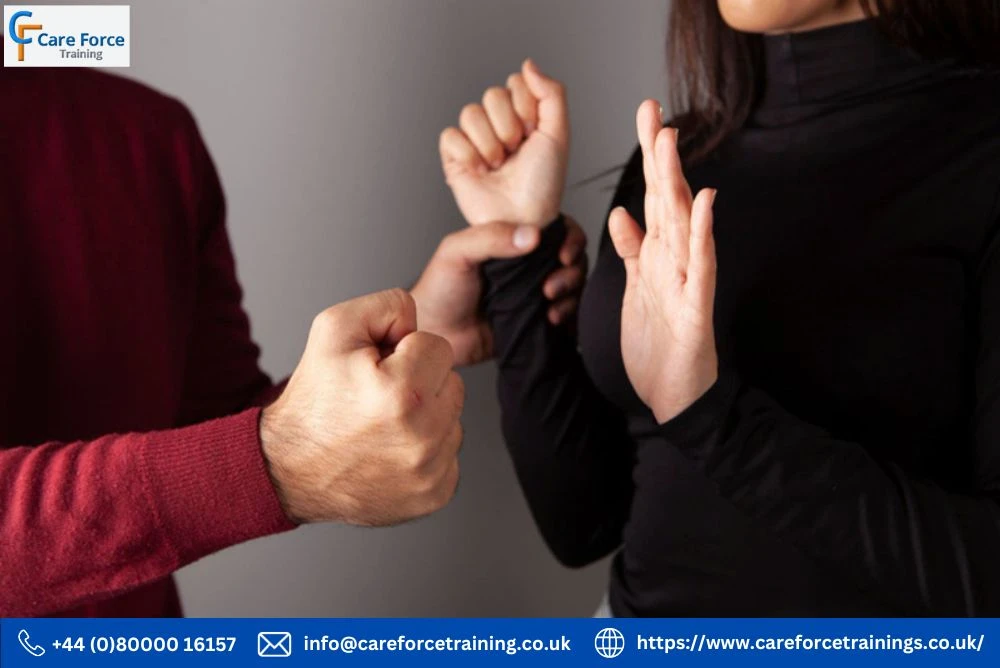
What Are the Key Components Included in PMVA Training Courses?
PMVA training is built around practical, clear principles that focus on preventing harm. Courses typically include an introduction followed by step-by-step learning.
Key components include:
- Risk assessment and early warning signs
- Non-verbal and verbal communication techniques
- Conflict resolution strategies
- Breakaway techniques
- Safe holding and low-arousal intervention techniques
- Team-based responses
- Understanding legal frameworks such as use of force regulations
- Ethical considerations including restraint reduction and trauma-informed care
These components ensure learners gain both theoretical understanding and practical competence.
Why Is De-escalation Considered the Most Important PMVA Skill?
De-escalation sits at the heart of PMVA because most aggressive incidents can be prevented before they reach crisis point.
By focusing on calm communication, empathy, and reading non-verbal cues, staff can gently guide an individual away from distress. De-escalation preserves dignity, prevents injury, reduces the need for restrictive interventions, and strengthens trust between service users and professionals. In any care environment, it is the safest and most respectful response.
How Do Risk Assessments Shape the Prevention and Management of Aggression?
Understanding risk is the foundation of effective prevention. A short focus on assessment helps prepare staff for safe practice.
Dynamic risk assessments, behavioural support plans, and individual care plans allow professionals to predict and prevent challenging behaviour. Identifying known triggers, medical factors, or environmental stressors helps staff act before escalation occurs. Risk assessments also support legal compliance and contribute to safer team decision-making.
Which Settings Benefit the Most from PMVA Training?
PMVA is suitable for any environment where challenging behaviour or aggression may occur.
Key settings include:
- NHS hospitals and acute wards
- Mental health services
- Care homes and supported living environments
- Learning disability services
- Forensic and secure units
- Community mental health teams and lone-working roles
In each setting, PMVA training strengthens safety, improves confidence, and supports high-quality care delivery.
How Do Legal and Ethical Frameworks Influence PMVA Practice?
Working safely means following legal obligations. A short explanation reinforces why legal knowledge matters.
PMVA practice is shaped by key legislation such as the Mental Health Act, Human Rights Act, Health and Safety at Work Act, and Use of Force Act. Ethical frameworks ensure interventions remain proportionate, necessary, and respectful. Organisations must follow HSE guidance, maintain accurate incident reporting, and uphold duty of care responsibilities. Compliance protects staff, service users, and the organisation itself.
What Are the Different Levels of PMVA Training and Who Needs Them?
Different roles require different levels of training depending on risk.
Common levels include:
- PMVA Awareness – for reception staff, administrative teams, or low-risk environments.
- PMVA Intermediate – for community support workers and carers facing occasional aggression.
- Advanced PMVA – for mental health professionals, secure unit staff, and high-risk teams who need physical intervention training.
- PMVA Refresher Training – regular updates ensuring continuous competence.
This tiered approach ensures everyone receives training appropriate to their role.

How Does PMVA Promote Staff and Service-User Safety in High-Risk Situations?
Safety is the core purpose of PMVA, and a short intro reminds readers of this goal.
PMVA teaches calm decision-making, effective communication, and collaborative teamwork. Staff learn how to manage personal space, position themselves safely, and maintain escape routes. They also practise coordinated approaches and understand the behaviour escalation cycle, reducing the chance of injury during incidents. Through structured responses, PMVA improves outcomes and safeguards wellbeing.
What Happens During a PMVA Practical Training Session?
Practical training sessions give staff the opportunity to build confidence through hands-on learning.
Typically, a session involves:
- Classroom-based discussions
- Demonstrations of safe physical techniques
- Role-play scenarios based on real-life cases
- Practising breakaway techniques
- Learning non-restrictive holding methods
- Understanding when interventions are legally justified
- Trainer feedback and performance assessment
This approach ensures staff can apply their training effectively in real situations.
How Should Organisations Support Staff After a Violent or Aggressive Incident?
Post-incident support is essential to maintaining morale, safety, and continuous improvement.
Organisations should provide structured post-incident debriefings, emotional support, and opportunities for reflective practice. Reviewing what happened helps teams understand triggers, improve risk assessments, and update care plans. Proper support also reduces stress, prevents burnout, and strengthens confidence in workplace safety.
Why Is PMVA Training Crucial for Compliance and Quality of Care?
Meeting industry standards requires a proactive approach. A brief introduction helps highlight this importance.
PMVA training supports compliance with regulations set by the CQC, HSE, and sector legislation. It reduces incident frequency, improves documentation accuracy, and enhances care quality. When staff feel confident and supported, they can deliver safer, more compassionate, and more consistent care.
How Can Organisations Choose the Right PMVA Training Provider?
Choosing the right provider is vital for meeting the needs of your service.
Key considerations include:
- Trainer experience and accreditation
- Course structure and alignment with legislation
- Up-to-date physical intervention techniques
- Realistic scenario-based training
- Post-training support and assessments
- Provider reputation and testimonials
A high-quality training provider ensures staff are fully prepared for real-world challenges.
What Future Trends Are Shaping PMVA Training and Violence-Prevention Approaches?
The field of safety intervention is always evolving.
Future trends include restraint reduction programmes, trauma-informed care, digital simulation training, improved risk prediction tools, and a stronger focus on mental health awareness. These developments promote safer environments and more respectful approaches to managing aggression.
How Can PMVA Improve Workplace Culture and Staff Confidence Long Term?
A respectful, safe workplace is built on strong training foundations.
PMVA improves teamwork, reduces stress, and strengthens communication across departments. Over time, staff feel more confident handling difficult situations, and workplace morale increases. This creates a culture where safety, dignity, and professionalism are prioritised every day.
Conclusion
PMVA is not about stopping care - it’s about improving it. By prioritising de-escalation, dynamic risk assessment, trauma-informed care, and proportionate responses, organisations protect dignity and reduce harm for both staff and service users. Investing in appropriate levels of PMVA training, robust post-incident support, and evidence-based providers builds confidence, ensures legal compliance, and strengthens workplace culture. When prevention and management are done well, everyone benefits: safer services, better outcomes, and a more resilient workforce.
FAQs
1. What is PMVA training?
PMVA training is a programme that teaches staff how to prevent and safely manage violence and aggression.
2. Why is PMVA important in health and social care?
PMVA is important in health and social care because it keeps staff and service users safe while ensuring legal and ethical practice.
3. Who needs PMVA training?
PMVA training is needed by anyone working in environments where challenging behaviour or aggression may occur.
4. What does PMVA training include?
PMVA training includes de-escalation skills, communication techniques, breakaway methods, and safe physical interventions.
5. How does PMVA reduce workplace incidents?
PMVA reduces workplace incidents by helping staff spot early warning signs and respond with safe, effective strategies.














Sign in to leave a comment.