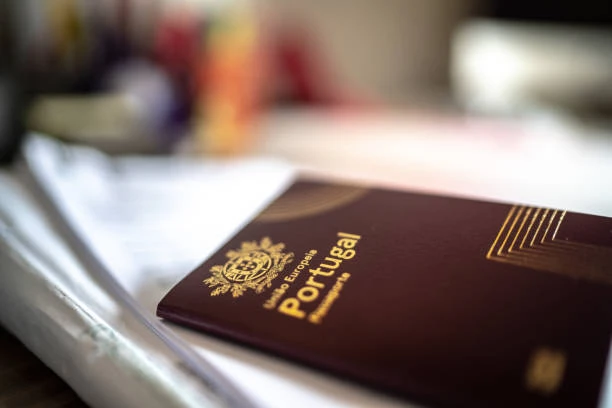

The Portugal D7 Visa, also known as the Passive Income Visa or Retirement Visa, is a popular residency pathway for non-EU/EEA/Swiss nationals looking to live in Portugal without engaging in active work. Ideal for retirees, digital nomads, or individuals with stable passive income, this visa offers a gateway to residency and eventual citizenship. One of the most crucial elements in applying is proving you meet the income requirements. In this article, we break down the D7 Visa income rules clearly, so you can plan your move with confidence.
What Is the D7 Visa and Who Is It For?
The D7 Visa is designed for people who have stable, passive income and wish to reside in Portugal. This includes retirees, remote workers, and individuals with income from investments, rental properties, pensions, royalties, or dividends. The visa allows long-term residence in Portugal and, eventually, access to permanent residency or citizenship after five years.
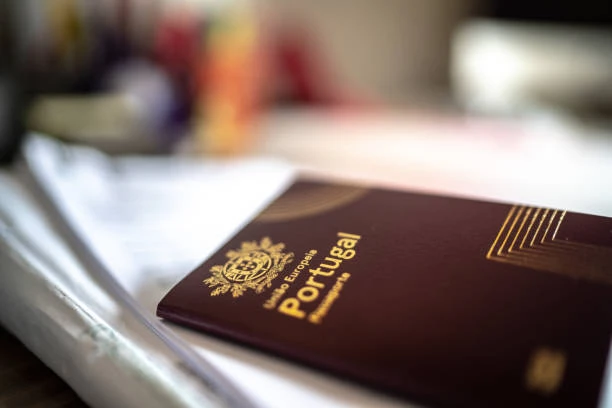
One of the best features of the D7 Visa is that it doesn't require employment in Portugal. Instead, it focuses on financial independence and proof that you can support yourself without relying on local resources. Because of this, it's become an attractive option for those seeking a peaceful life in Portugal's beautiful landscapes and welcoming communities.
Base Income Requirements for 2025
As of 2025, the Portuguese government calculates the D7 Visa income threshold based on the national minimum wage. For a single applicant, the required income is 100% of the minimum wage, which currently stands at €820 per month, or €9,840 annually. However, applicants are encouraged to show higher income to improve approval chances. See More
For couples, the requirement is 150% of the minimum wage—or €12,780 per year—and an additional 30% per dependent, such as children. These numbers serve as a baseline. In practice, applicants who show at least €1,200–€1,500 per month for individuals or €2,000–€2,500 for couples tend to have stronger applications, especially if applying in more expensive cities like Lisbon or Porto.
Types of Acceptable Income Sources
The Portuguese authorities accept various forms of income as long as they are passive and stable. These include pensions, rental income from property, dividends from stocks, royalties, interest from savings or investments, and remote work income (if proven consistent). The key is to demonstrate that the income is regular and sufficient.
Bank statements, tax returns, rental contracts, investment account reports, and pension statements can all be used to verify income. Applicants are usually required to provide documentation covering at least the last 6 to 12 months. Irregular or one-time income is less persuasive unless it's clearly part of an ongoing financial structure.
Proof of Funds vs. Proof of Monthly Income
It’s important to understand the distinction between showing a lump sum ("proof of funds") and demonstrating ongoing income. While you can strengthen your application by showing a healthy savings balance (often €10,000 or more), this alone may not be enough without recurring income to meet monthly expenses.
Most consulates and immigration officials look for consistency and sustainability. Showing a bank account in Portugal (or an international account) with at least 12 months of recurring income above the required threshold can be more convincing than simply having savings. Ideally, applicants should show both: strong monthly income and a backup fund for emergencies.
Regional Variations and Cost-of-Living Considerations
Although Portugal has a national standard for the D7 income requirement, the cost of living varies by region. Consulates may take into account whether you're planning to live in high-cost areas like Lisbon, Cascais, or Porto, where rent and everyday expenses are higher, versus rural towns or the interior where the cost of living is significantly lower.
Because of this, applicants targeting more expensive areas are advised to show income higher than the minimum threshold. For example, while €1,000 per month might be enough in a rural town in Alentejo, consulates may prefer to see €1,500+ for those moving to central Lisbon. Flexibility and realism in your financial planning will improve your chances of approval.
Currency, Banking, and Income Flow
Another key requirement is that your income must be accessible in Portugal. This means having it transferred to a Portuguese bank account is highly recommended. While income in foreign currencies (like USD or GBP) is acceptable, you should show that it is converted and available in euros for living expenses.
Opening a Portuguese bank account before applying (or during the SEF process once in Portugal) is strongly encouraged. In addition to demonstrating financial readiness, this also facilitates paying rent, utilities, and other expenses once you arrive. Most consulates will ask for proof of your Portuguese bank account along with evidence of fund transfers.
Income Tips for Digital Nomads and Remote Workers
Although the D7 Visa is primarily known for passive income, remote workers and freelancers can also apply if they can prove consistent monthly income. This is often the case for digital nomads with long-term contracts or recurring client payments. The most important aspect is stability—sporadic freelance gigs may raise questions.
To strengthen a remote worker application, include signed contracts, invoices, bank statements showing payments, and a detailed work description. It also helps to explain how your work is fully remote and not tied to clients or entities in Portugal, as the D7 is not technically a work visa. If your remote income is strong and stable, you can qualify as easily as a retiree.
Conclusion: Be Prepared and Transparent
Understanding the income requirements for Portugal’s D7 Visa is a vital step toward successful immigration. While the baseline numbers are manageable compared to other European countries, the emphasis is on consistent, provable income and financial independence. Authorities want to be assured you won’t become a financial burden on the state.
By thoroughly documenting your income sources, opening a Portuguese bank account, and exceeding the minimum thresholds where possible, you can improve your odds of approval. Whether you're a retiree with a pension, a remote worker with steady clients, or someone living off investments, the D7 Visa offers an excellent pathway to life in Portugal—if you're financially prepared.












Sign in to leave a comment.