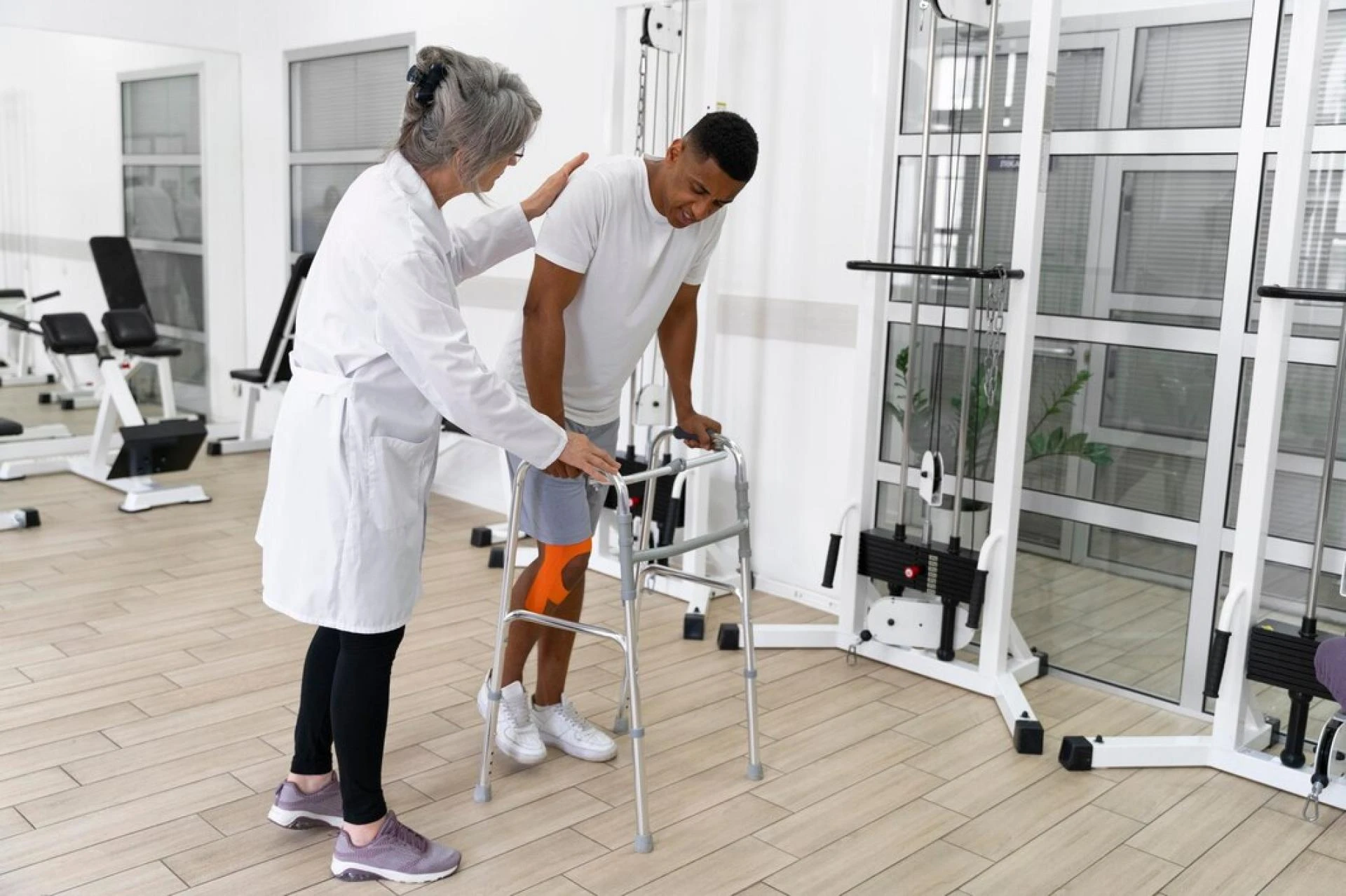

Injuries, whether from sports, accidents, or other causes, can leave you feeling helpless and frustrated. The good news is that post-injury rehabilitation is possible, and physiotherapy plays a pivotal role in accelerating recovery. Physiotherapy for recovery is a proven treatment that not only helps speed up the healing process but also reduces the risk of future injuries. Let’s explore how physiotherapy treatment for injuries works and why it's crucial for your full recovery.
What is Post-Injury Rehabilitation?
Post-injury rehabilitation refers to a comprehensive process that aims to restore the function of the injured area, reduce pain, and prevent long-term damage. It typically involves a combination of exercises, manual therapy, and modalities like heat, cold, and electrical stimulation, all tailored to the individual’s needs. The goal is to help you return to your normal activities as quickly and safely as possible.
The Role of Physiotherapy in Injury Recovery
When you’re recovering from an injury, whether it's a sprain, strain, or a more severe injury, physiotherapy for recovery is essential to restore function and mobility. Here's how physiotherapy aids the healing process:
Pain Management
Physiotherapists use various techniques such as manual therapy, dry needling, and ultrasound to manage pain effectively. By reducing pain, they can help you perform rehabilitation exercises more comfortably and prevent stiffness from setting in.
Restore Mobility
Injury often leads to limited mobility, which can prevent you from returning to your normal routine. Injury recovery physiotherapy includes specific exercises and stretches designed to improve your range of motion and flexibility, promoting faster healing.
Strengthening Muscles
After an injury, the surrounding muscles may weaken due to inactivity. Physiotherapy for muscle recovery includes strengthening exercises that help rebuild muscle strength, ensuring that the injured area has the support it needs for a full recovery.
Prevention of Future Injuries
An essential part of post-injury rehabilitation is injury prevention. Physiotherapists educate patients on proper movement patterns and ergonomic practices to prevent reinjury, helping you return to your daily activities with confidence.
Key Physiotherapy Treatments for Injuries
Manual Therapy
Manual therapy involves hands-on techniques such as massage, joint mobilization, and manipulation. These methods help reduce pain, improve circulation, and restore movement to the injured area.
Exercise Therapy
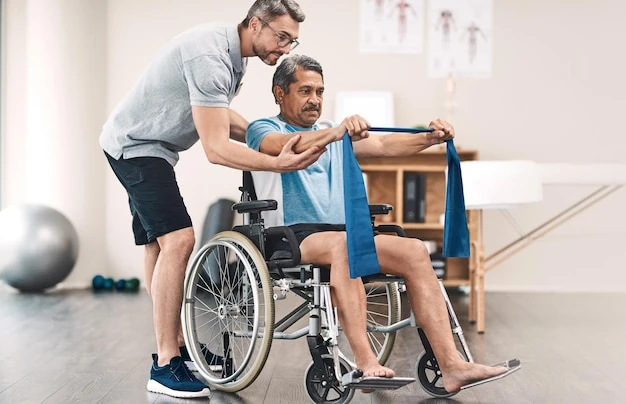
Post-injury rehab exercises are a key component of physiotherapy treatment. These exercises are designed to strengthen muscles, improve flexibility, and enhance coordination. They are often customized based on the nature of the injury and the stage of recovery.
Heat and Cold Therapy
Using heat and cold packs is one of the simplest and most effective ways to manage pain and swelling after an injury. Cold therapy helps reduce inflammation, while heat therapy promotes circulation and relaxes tight muscles.
Electrotherapy
Physiotherapists may use electrotherapy modalities such as TENS (Transcutaneous Electrical Nerve Stimulation) or ultrasound therapy to accelerate healing by stimulating muscles, improving blood flow, and reducing swelling.
Taping and Bracing
In some cases, your physiotherapist may use specialized taping techniques or braces to support the injured area during the healing process. This can provide stability and protection, especially in the early stages of recovery.
Post-Injury Rehab Exercises: Crucial for Recovery
Post-injury rehab exercises are essential for restoring strength, flexibility, and function after an injury. These exercises help rebuild muscle strength and coordination, enabling you to return to your normal activities more quickly. A physiotherapist will guide you through a tailored exercise program that is specifically designed for your injury type and recovery stage.
Some common post-injury rehab exercises include:
- Strengthening Exercises: These target the muscles around the injured area, helping to rebuild strength and prevent future injuries.
- Stretching Exercises: To improve flexibility and prevent tightness that could limit movement.
- Balance and Coordination Training: To restore proprioception and reduce the risk of falls or reinjury.
Why Dr. SumitZ is Your Go-To Physiotherapy Clinic in Pune
At Dr. SumitZ, we specialize in physiotherapy treatment for injuries and injury recovery physiotherapy. Our clinic, a leading Orthopaedic & Physiotherapy center in Pune, has been serving patients since 2006. We offer personalized rehabilitation programs to ensure a speedy, safe, and effective recovery from injuries.
Our team of experienced physiotherapists provides a comprehensive approach to post-injury rehabilitation, combining expert assessments with customized exercise plans, pain management techniques, and mobility restoration strategies. Whether you're recovering from a sports injury, an accident, or surgery, Dr. SumitZ is here to support you every step of the way.
We understand that each injury is unique, which is why we take a tailored approach to rehabilitation. By incorporating a variety of treatments such as physiotherapy for muscle recovery, manual therapy, and post-injury rehab exercises, we ensure that your recovery journey is as smooth and effective as possible.
Conclusion: Accelerate Your Recovery with Dr. SumitZ Physiotherapy
If you're recovering from an injury, physiotherapy for recovery is essential to ensure a full and speedy recovery. At Dr. SumitZ, our expert physiotherapists specialize in post-injury rehabilitation, helping patients recover quickly, safely, and effectively. From injury recovery physiotherapy to physiotherapy for muscle recovery, our treatments are designed to meet your unique needs and get you back to your routine as soon as possible.
Contact Dr. SumitZ today and start your recovery journey with personalized physiotherapy that works for you!
FAQs about Post-Injury Rehabilitation
Q1. How long does post-injury rehabilitation take?
Ans. The duration of rehabilitation varies depending on the type and severity of the injury. Typically, it can range from a few weeks to several months. Your physiotherapist will create a personalized recovery plan to ensure the most effective treatment timeline for you.
Q2. Is physiotherapy treatment necessary for all injuries?
Ans. While some minor injuries may heal with rest, physiotherapy is often necessary for more severe injuries or those that affect mobility. Physiotherapy for recovery speeds up the healing process and reduces the risk of long-term damage.
Q3. How soon should I start physiotherapy after an injury?
Ans. It’s recommended to begin physiotherapy as soon as you can tolerate it after an injury. Starting early helps reduce pain, prevent stiffness, and improve mobility, leading to a faster recovery.











Sign in to leave a comment.