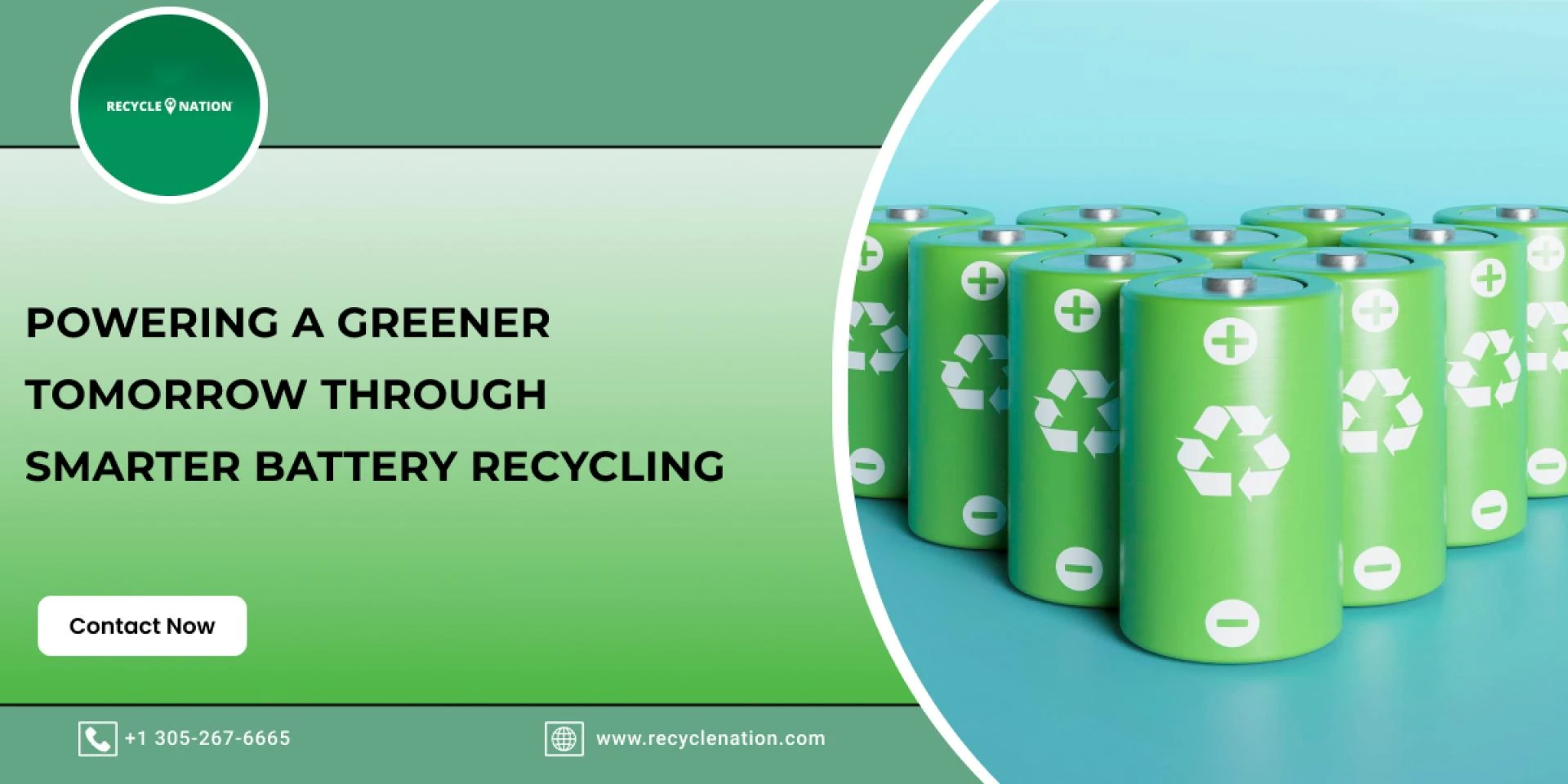

Battery recycling has moved from being an environmental afterthought to a frontline sustainability priority. As our dependence on smartphones, laptops, power tools, electric vehicles, and home energy storage systems grows, so does the volume of spent batteries entering the waste stream. Managing them responsibly is no longer optional. It is essential.
To better understand the long-term environmental impact, this in-depth resource on battery recycling outlines why proper disposal and recovery systems matter for our future.
The Hidden Cost of Discarded Batteries
Most modern batteries contain materials such as lithium, cobalt, nickel, and lead. These elements are valuable but potentially hazardous. When batteries are thrown into general waste, they can rupture, leak chemicals, and contaminate soil and groundwater. In some cases, they even pose fire risks in landfills and waste processing facilities.
Battery recycling addresses these risks directly. Instead of allowing toxic components to enter ecosystems, certified recycling facilities safely dismantle batteries and extract reusable materials. This prevents environmental damage while reducing the need for energy-intensive mining operations.
Supporting a Circular Economy
Battery recycling plays a critical role in advancing a circular economy model. Rather than following a linear take-make-dispose pattern, materials are recovered and reintegrated into new battery production. This reduces greenhouse gas emissions, lowers resource extraction, and improves supply chain resilience.
With global demand for lithium-ion batteries rising due to electric vehicles and renewable energy storage, securing a stable supply of raw materials has become strategically important. Efficient battery recycling systems help offset shortages and price volatility by recovering high-demand metals domestically.
What Individuals and Businesses Can Do
Sustainable battery management starts with awareness. Consumers should never dispose of rechargeable or single-use batteries in household trash. Instead, they should use local collection programs or designated recycling drop-off points.
For businesses, implementing structured battery recycling initiatives strengthens environmental compliance and enhances ESG performance metrics. Demonstrating responsible material recovery is increasingly important in competitive markets.
The Road Ahead: Innovation and Technology Recycling
The future of battery recycling will be defined by technological innovation. Advanced sorting systems, robotics, and improved chemical recovery methods are increasing efficiency and recovery rates.
This evolution aligns closely with broader technology recycling initiatives, where automation and data-driven systems transform waste management. As these technologies mature, battery recycling will become faster, safer, and more scalable.
Battery recycling is not just about managing waste. It is about protecting resources, strengthening supply chains, and building a more resilient and sustainable energy ecosystem for the future.








Sign in to leave a comment.