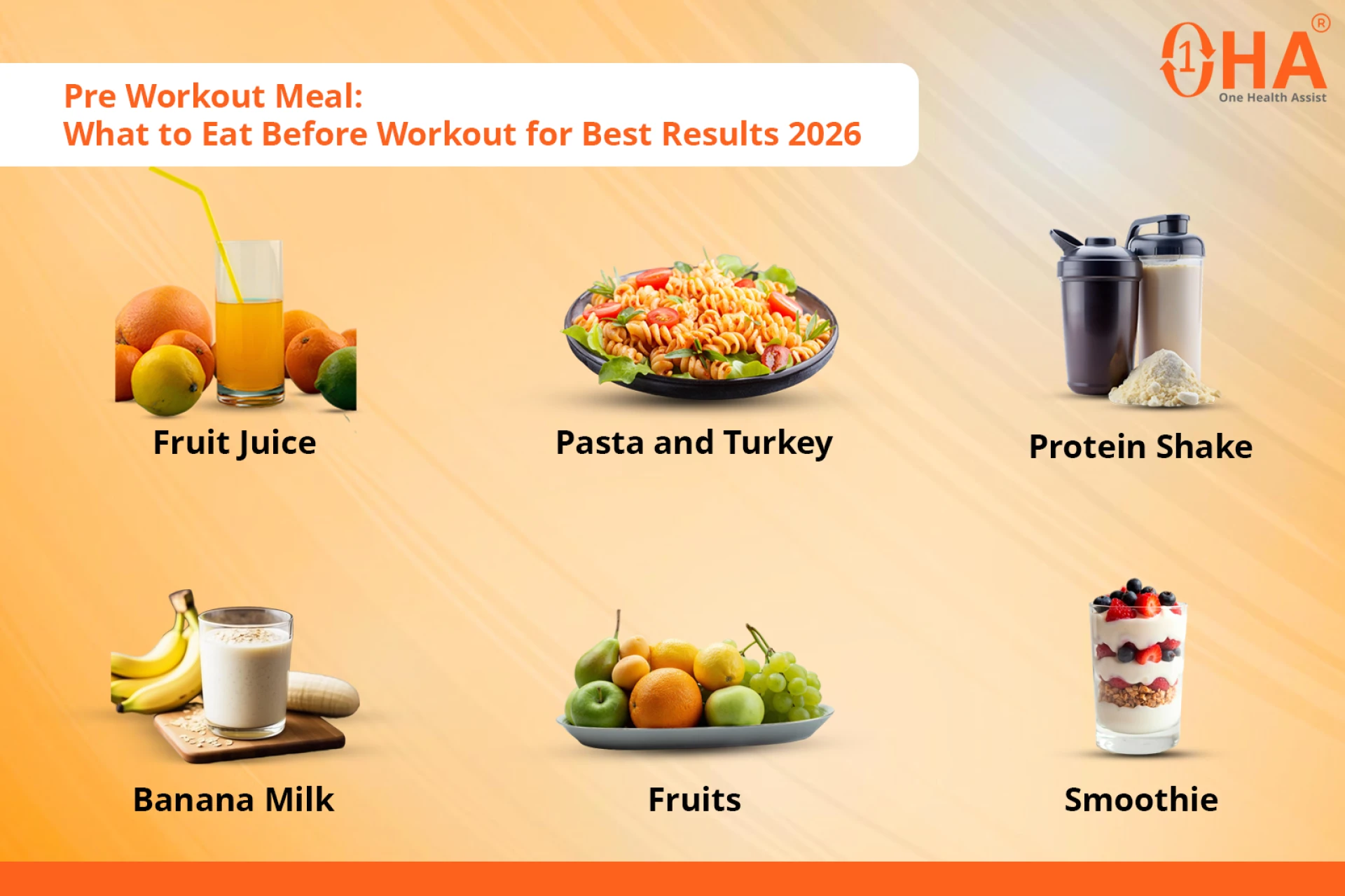

A pre workout meal isn’t just about eating it’s about fueling your body with the right nutrients so you don’t feel sluggish, tired, or under-energized during your workout. It’s especially important for high-intensity activities, longer sessions, or early morning routines when your glycogen stores might be low. Think of it as giving your car the right fuel before a long drive.
Table of Contents
- What Is a Pre Workout Meal?
- Why Your Pre Workout Meal Can Make or Break Your Workout
- Role of carbs, protein, and fats
- How fuel impacts strength, stamina, and focus
- Types of Pre Workout Meals for Different Goals
- Pre workout meal for weight loss
- Pre workout meal for muscle gain
- Gym pre workout meal vs home workout meal
- Morning and early morning pre workout meal options
- Benefits of a Good Pre Workout Meal
- Better performance and energy
- Reduced fatigue and muscle breakdown
- Faster recovery and consistency
- What Happens If You Skip Your Pre Workout Meal?
- How to Build the Best Pre Workout Meal (Step-by-Step)
- Pre Workout Meal Ideas for Every Schedule
- Early morning pre workout meal (quick and light)
- 1–2 hour pre workout full meal
- On-the-go pre workout snacks
- Pre and Post Workout Meals: How They Work Together
- Difference between pre workout and post workout meals
- How to pair them smartly for results
- Pros and Cons of Different Pre Workout Approaches
What Is a Pre-Workout Meal?
A pre-workout meal is the food you eat before exercising to give your body the energy it needs to perform well. Think of it as fuel for your workout. When you train with the right nutrients already in your system, you feel stronger, more focused, and less tired during the session.
The main purpose of a pre-workout meal is to supply your muscles with readily available energy, mostly from carbohydrates, and to provide some protein to reduce muscle breakdown. Without proper fuel, workouts can feel harder than they should, performance drops, and recovery becomes slower.
Understanding Pre Workout Meals:
A pre workout meal is the strategic fuel you consume before exercise to optimize performance, energy levels, and endurance. Think of it as premium petrol for your body’s engine. The best pre workout meal combines easily digestible carbohydrates for quick energy, moderate protein for muscle support, and minimal fat to avoid digestive discomfort.
There are different types depending on your workout timing. An early morning pre workout meal might be a banana with peanut butter eaten 30 minutes before your 6 AM session. A gym pre workout meal for afternoon training could include oatmeal with berries consumed 1-2 hours prior. For those focused on body composition, a pre workout meal for weight loss emphasizes lean proteins and complex carbs while keeping calories moderate.
Problem most people face
The main problem most people face is timing and composition. Eat too close to your workout and you’ll feel sluggish. Eat too early and you’ll run out of energy mid-session. Choose the wrong foods and you’re dealing with stomach cramps during burpees.
Types of pre-workout meals
1. Based on timing
- 3–4 hours before workout (full meal):
A proper meal with complex carbs, lean protein, and some healthy fat. Ideal for intense sessions or long workouts. Gives steady energy and prevents muscle breakdown. - 1–2 hours before workout (light meal):
Smaller portion, mainly carbs + moderate protein. Keep fiber and fat low to avoid digestion issues. - 30–60 minutes before workout (snack):
Fast-digesting carbs with a little protein. Focus is quick energy, not fullness. - 0–30 minutes before workout (minimal):
Optional. Only for people who tolerate food well before training. Liquids or very simple carbs work best.
2. Based on macronutrient focus
- Carbohydrate-focused meals:
Best for endurance, HIIT, or long gym sessions. Carbs refill glycogen, improving stamina and focus. - Carbohydrate + protein meals:
Ideal for strength training, hypertrophy, and mixed workouts. Protein reduces muscle breakdown and improves recovery. - Protein-dominant meals:
Useful if you trained earlier in the day or are on a fat-loss phase. Energy might be lower, but muscle protection is higher. - Fat-containing meals:
Suitable only if eaten 3–4 hours before. Fat slows digestion but provides sustained energy. - Liquid meals (smoothies/shakes):
Easy on the stomach, faster digestion, and great for early mornings or people with low appetite.
Common problems with pre-workout meals
- Bloating, cramps, or gas
Causes: high fiber foods, excess dairy, fried food, sugar alcohols.
Fix: switch to low-fiber carbs (white rice, banana), lactose-free dairy, or liquid meals. - Feeling sleepy or sluggish
Causes: heavy meals, too much fat, eating too close to workout.
Fix: reduce portion size, eat earlier, prioritize carbs over fat. - Sudden energy crash during workout
Causes: too little food or only simple sugar without protein.
Fix: combine carbs with some protein or increase total carbs slightly. - Nausea during training
Causes: poor digestion, dehydration, very intense warm-ups.
Fix: hydrate properly and choose lighter foods. - Training fasted but feeling dizzy or weak
Causes: low blood sugar or poor adaptation to fasted workouts.
Fix: add a small snack or liquid carbs 15–20 minutes before. - Sleep disturbance from pre-workout supplements
Causes: caffeine taken late in the day.
Fix: avoid caffeine 6–8 hours before bedtime.
Key characteristics of an effective pre-workout meal
- Easy to digest:
The closer you eat to training, the simpler the food should be. - Adequate carbohydrates:
Primary fuel source. Adjust quantity based on workout duration and intensity. - Moderate protein intake:
Around 10–25 g helps muscle repair and performance. - Low fiber and fat (close to workout):
Prevents stomach discomfort and improves blood flow to muscles. - Right portion size:
Enough to fuel performance without making you feel full. - Good hydration:
Even mild dehydration reduces strength and endurance. Drink water before and during training. - Caffeine (optional):
Improves alertness, power, and focus for many people. Individual tolerance matters. - Personalization:
Age, body weight, training type, digestion speed, and goals all influence the ideal pre-workout meal.







Sign in to leave a comment.