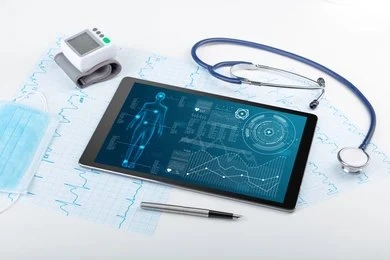

In the healthcare sector, there’s really no room for compromises when it comes to quality and compassion. Every effort counts in making a difference for patients and their families error. Whether it’s a monitoring device in an ICU or a health tracking app, the software behind medical tools must work flawlessly. Unlike other industries, the performance of medical devices directly affects patient health and safety. That’s why medical devices testing is one of the most critical stages in healthcare technology development.
As medical technology evolves, so does the complexity of its software. From implantable devices to mobile health applications, each solution relies heavily on software that must perform accurately under pressure. Inaccuracies or bugs can lead to serious risks, making medical software testing not just a technical need but a life-saving necessity.
The Rising Importance of Medical Software Testing
Healthcare providers and device manufacturers are warmly embracing digital transformation, opening up exciting new possibilities for better patient care and innovative solutions. Yet, this digital shift also introduces challenges in compliance, safety, and usability. Whether it's diagnostic equipment, infusion pumps, or wearable sensors, testing the software thoroughly ensures it functions as expected in real-time medical environments.
Medical device software testing is a carefully organized process that checks how well the software works, how secure it is, and how reliable and efficient it is, ensuring everything runs smoothly and safely software. It verifies that devices meet FDA regulations and other industry standards. It also ensures smooth interoperability with other systems, such as hospital networks, cloud-based dashboards, or patient-facing apps.
Why Medical Devices Demand Specialized Testing
Medical software isn’t like regular consumer applications. It must meet higher standards and undergo rigorous validation. These systems often handle sensitive patient data and interact directly with critical hardware.
Testing needs to account for:
- Hardware-software integration
- Real-time data processing
- Compliance with international standards (such as IEC 62304, ISO 13485, FDA 21 CFR Part 820)
- Security and privacy of medical data
- Reliability under extreme or variable conditions
Skilled testers must understand medical workflows and the use of devices in clinical settings. Without domain knowledge, there’s a higher risk of overlooking edge cases that might only occur during actual patient care.
Key Areas of Focus in Medical Device Software Testing
Here’s what a complete medical devices testing cycle typically involves:
- Functional Testing – Ensures the software performs its intended medical functions.
- Performance testing – confirms the system's speed, responsiveness, and stability.
- Usability Testing – Assesses how easily healthcare professionals can use the system.
- Security Testing – Protects sensitive patient data from breaches.
- Compliance Testing – Checks if the software meets global healthcare regulations.
- Integration Testing – Ensures the device works smoothly with connected systems and interfaces.
By covering each of these aspects, developers and manufacturers can avoid costly recalls, meet regulatory requirements, and ensure device reliability in real-world use.
Software Testing for Medical Devices: Challenges & Solutions
Testing software for medical applications presents several challenges. Devices must undergo lengthy development cycles, stringent approvals, and ongoing updates to remain relevant and secure.
Some key challenges include:
- High cost of testing delays
- Maintaining compliance during software updates
- Testing for many devices and platforms
- Keeping up with regulatory changes
These obstacles make it crucial to work with experienced testing partners who understand both technology and the healthcare industry. A reliable software testing company in USA can help medical device firms reduce risk, speed up time-to-market, and improve product quality.
Why Testing Must Continue After Release
Medical devices don’t stop evolving after they hit the market. Updates, bug fixes, and new features are common. Each change needs to be thoroughly tested to ensure it doesn’t disrupt the device’s performance or violate regulations.
That’s where post-market surveillance and regular regression testing come in. Ongoing medical software testing ensures patient safety and helps avoid costly recalls or regulatory penalties. This continuous validation process builds trust with both healthcare providers and end-users.
Choosing the Right Software Testing Partner
When lives depend on your product, choosing the right partner for medical device software testing becomes a decision of utmost importance. Look for testing providers who:
- Have proven experience in regulated industries
- Offer both manual and automated testing services
- Understand global healthcare compliance frameworks
- Provide detailed documentation for audits and certifications
- Provide scalable solutions that cater to everything from small devices to large hospital systems, ensuring everyone benefits from flexible and adaptable options.
The right testing team will not just find bugs—they’ll protect your brand, ensure regulatory approval, and contribute to the product’s long-term success.
As healthcare becomes increasingly digital, the margin for software error becomes narrower. Accurate, secure, and compliant software is vital to the success of modern medical devices. From functionality and performance to compliance and safety, medical devices testing ensures that every click, calculation, and connection works perfectly. Effective medical software testing is what turns innovative ideas into trusted tools that help save lives.
That’s where TestAces stands out. As a specialized software testing company in the USA, TestAces delivers dependable solutions tailored to the unique needs of the healthcare industry. From embedded medical systems to complex digital health platforms, they deliver unmatched precision and compliance to every test, enabling clients to launch safer, smarter, and fully certified medical devices.














Sign in to leave a comment.