

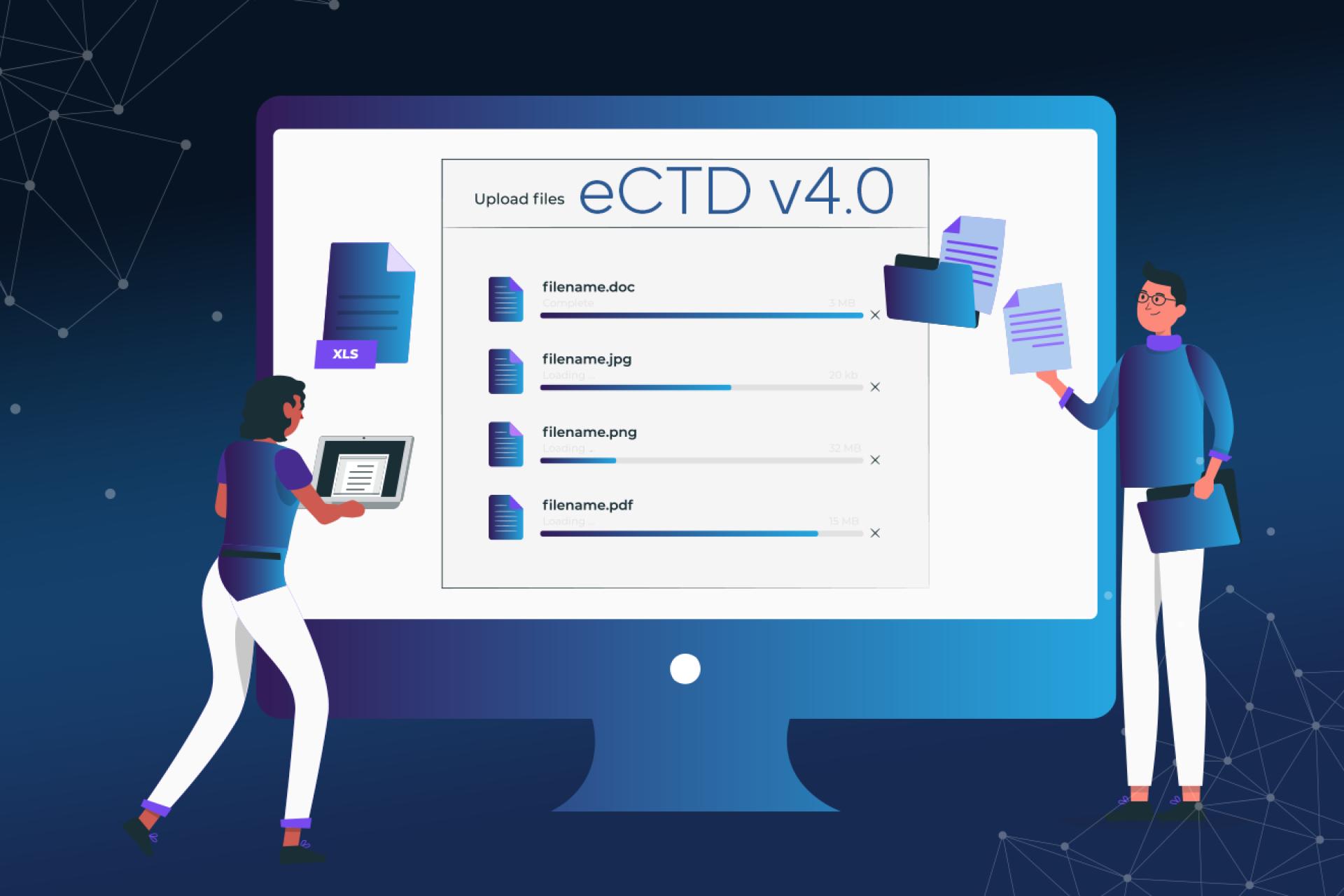
Japan is ushering in a significant regulatory change for pharmaceutical submissions. The Pharmaceuticals and Medical Devices Agency (PMDA) is transitioning from eCTD version 3.2.2 to eCTD v4.0, with full mandatory enforcement set for April 2026. For companies submitting drug dossiers in Japan, being ready is no longer optional—it’s essential.
What Is eCTD v4.0 & Why It Matters
- The Electronic Common Technical Document (eCTD) version 4.0 is the latest international standard developed by the International Council for Harmonisation (ICH). It brings enhanced capabilities: more flexible metadata, improved lifecycle management, stronger document reuse, and richer two-way communication between regulatory bodies and applicants.
- While PMDA has been running pilot programs for eCTD v4.0 since around 2022, the clock is ticking. Full adoption in Japan is scheduled for April 2026. Submissions that don’t comply risk being rejected under the new rules.
What the New Workflow Means for Pharma Companies
With the shift to eCTD v4.0, several internal changes become necessary:
- Technical infrastructure updates – New tools are needed for XML document creation, metadata handling, lifecycle tracking, and automated validation.
- Training & capacity building – Teams must understand the new structure, submission rules, and regulatory expectations in Japan.
- Migration strategies – Companies must plan how to convert existing content from v3.2.2 format to v4.0, manage parallel submissions if needed, and ensure nothing is lost or mis-interpreted in transition.
The Benefits of Moving Early
Though there’s always a transition cost, preparing in advance offers multiple advantages:
- Fewer delays and resubmissions caused by non-compliance.
- More efficient management of updates, renewals, post-marketing changes, and other lifecycle events.
- Improved alignment with global standards, which aids companies operating across multiple regulatory jurisdictions.
- Potential cost savings in the long run, by reducing redundant work and avoiding last-minute fixes.
How Specialist Support Can Help
For many organizations, partnering with experts familiar with Japanese regulatory requirements is a smart move. Key areas where this helps:
- Dossier Preparation & Publishing: Converting existing documents to eCTD v4.0-compliant format; optimizing PDFs; setting up XML backbone; handling linking, bookmarks, internal cross-references etc.
- Validation & Submission Support: Pre-submission checks, technical compliance with PMDA’s validation rules, submission via their electronic gateway.
- Post-Submission Management: Handling queries from PMDA, managing lifecycle updates, amendments, renewals, and maintaining version control.
- Training & Strategy: Gap analysis to assess readiness; designing regulatory strategies; educating in-house teams on v4.0 standards and process changes.
What to Watch Out For
Moving to eCTD v4.0 won’t be without its challenges. Possible hurdles include:
- Mapping and implementing new metadata standards and controlled vocabularies required by PMDA.
- Upgrading or acquiring new authoring tools and document management systems.
- Ensuring bilingual content or localization where needed.
- Maintaining both v3.2.2 and v4.0 capabilities during the transition period until v4.0 becomes fully mandatory.
Final Thoughts
With the PMDA’s deadline approaching in April 2026, the time for preparation is now. Companies that begin early, invest in the right tools and expertise, and build internal capabilities will be best positioned for smooth submissions, fewer rejections, and efficient regulatory lifecycle management.
If you are working on getting ready for Japan’s eCTD v4.0 switch, it pays to engage with specialists who know the local rules, workflows, and technical details. It can make the difference between a compliant submission the first time around and costly iterations.











Sign in to leave a comment.