
In a world where education is the cornerstone of progress and empowerment, the significance of schools transcends mere academic instruction. They become bastions of culture, identity, and values. For many Muslim communities around the globe, Muslim schools serve as invaluable institutions that not only impart knowledge but also nurture a strong sense of religious identity and cultural pride. In this article, we delve into the multifaceted role of Muslim schools, exploring how they contribute to the holistic development of students while fostering a deeper connection with their faith and heritage.
Cultural Preservation and Identity Formation
One of the primary objectives of Muslim schools is the preservation and transmission of Islamic culture and values. In an increasingly globalized world where cultural homogenization poses a threat to diverse identities, these schools play a pivotal role in safeguarding the rich heritage of Muslim communities. Through the inclusion of Islamic studies, Arabic language instruction, and exposure to Islamic history and traditions, students develop a profound understanding and appreciation of their cultural roots.
Moreover, Muslim schools create a nurturing environment where students feel a sense of belonging and camaraderie with their peers who share similar religious beliefs and cultural backgrounds. This sense of community fosters a positive self-image and instills confidence in students to navigate the complexities of the modern world while remaining steadfast in their identity as Muslims.
Academic Excellence and Holistic Development
Contrary to misconceptions, Muslim schools are not solely focused on religious education; they provide a comprehensive academic curriculum that meets or exceeds national standards. By integrating Islamic teachings with subjects such as mathematics, science, literature, and the arts, these schools offer a well-rounded education that equips students with the knowledge and skills necessary for success in both academic and professional spheres.
Furthermore, the emphasis on moral and ethical values within the Islamic framework fosters the development of responsible and compassionate individuals. Through teachings of empathy, justice, and integrity, Muslim schools mold students into conscientious citizens who are not only academically proficient but also socially conscious and ethically grounded.
Cultivating Critical Thinking and Cultural Literacy
In today's interconnected world, fostering an understanding of diverse cultures and perspectives is paramount. Muslim schools promote cultural literacy by encouraging dialogue, tolerance, and respect for others' beliefs and traditions. By engaging with students from various backgrounds and facilitating interfaith initiatives, these schools cultivate an environment of inclusivity and mutual understanding.
Moreover, Muslim schools emphasize the importance of critical thinking and independent inquiry, encouraging students to question, analyze, and evaluate information critically. This intellectual rigor not only enhances academic performance but also equips students with the tools to navigate an increasingly complex and dynamic world.
Countering Stereotypes and Promoting Integration
Unfortunately, Muslim communities often face stereotypes and prejudices that stem from ignorance and misinformation. Muslim schools serve as catalysts for dispelling these stereotypes by fostering intercultural dialogue and promoting positive interactions with the wider society. Through community outreach programs, collaborative initiatives with non-Muslim institutions, and participation in civic engagement activities, Muslim schools demonstrate their commitment to integration and social cohesion.
Furthermore, by nurturing a generation of educated and empowered individuals, Muslim schools empower students to become ambassadors of peace, tolerance, and understanding in their communities. By embodying Islamic principles of compassion, justice, and mutual respect, graduates of Muslim schools contribute positively to the fabric of society, challenging stereotypes and promoting harmony.
Conclusion
In conclusion, Muslim schools play a vital role in nurturing the next generation of confident, knowledgeable, and socially responsible individuals. By combining academic excellence with cultural preservation, these institutions offer a holistic educational experience that empowers students to succeed academically while remaining true to their religious and cultural heritage. Moreover, Muslim schools serve as beacons of tolerance, understanding, and integration, countering stereotypes and promoting harmony in an increasingly diverse world. As we look to the future, the importance of Muslim schools in shaping a brighter, more inclusive society cannot be overstated.
#education#school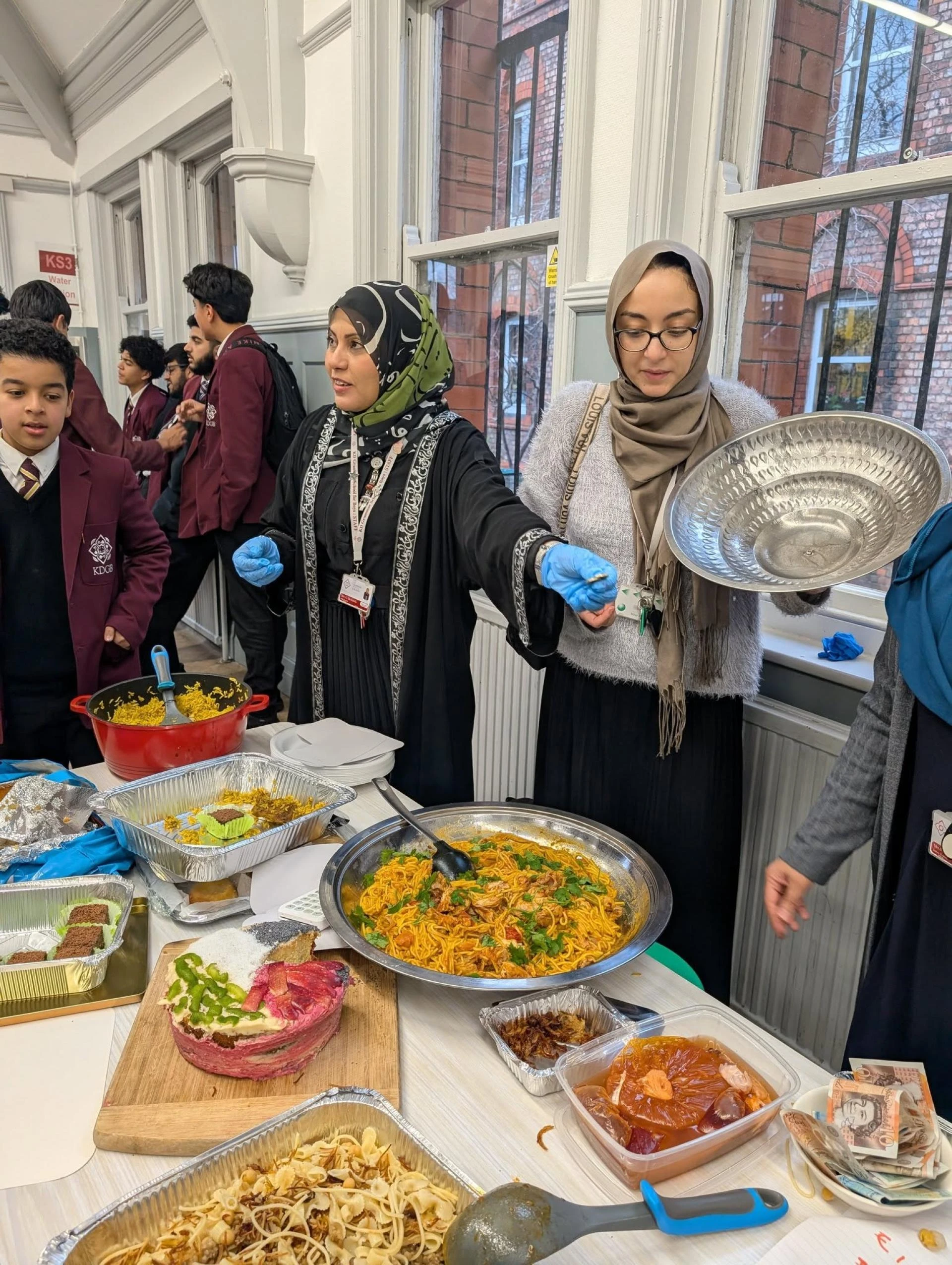











Sign in to leave a comment.