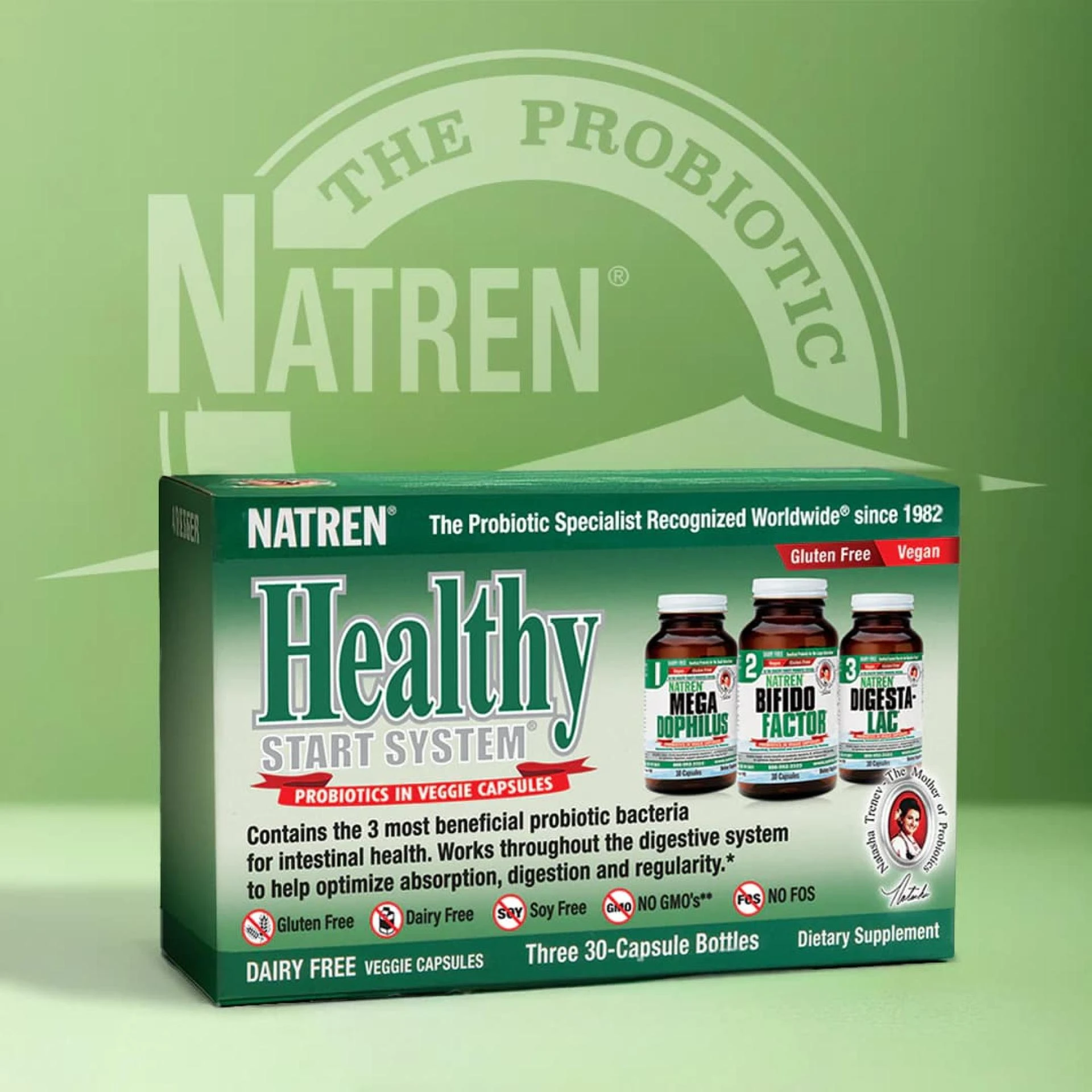

The relationship between digestive health and hormonal rhythm is increasingly recognized as an important aspect of overall wellness, and probiotics for women are often discussed as a supportive strategy in this connection. When women explore probiotics for women as part of their daily routine, they frequently discover that the gut microbiome influences far more than digestion alone. From nutrient absorption to immune response and hormone metabolism, the balance of beneficial bacteria plays a meaningful role in maintaining internal stability. Understanding how microbial communities interact with the female body can empower women to make informed decisions about supporting both gut and hormonal balance.
The Gut–Hormone Connection
The gut microbiome contains trillions of microorganisms that participate in metabolic processes throughout the body. In women, one important area of influence involves hormone regulation. Certain gut bacteria are involved in metabolizing estrogen and other hormones, helping maintain appropriate circulation and elimination.
When microbial balance is disrupted, the process of hormone breakdown and recycling may shift. This imbalance can influence how the body responds during different life stages, including menstruation, pregnancy, and menopause. A well-supported microbiome contributes to a smoother regulatory process and may help the body maintain equilibrium.
Probiotics for women are often considered because they introduce beneficial strains that help reinforce microbial diversity and stability.
Digestive Health as a Foundation
Digestive comfort forms the base of overall wellness. Women may experience occasional bloating, irregular elimination, or sensitivity to certain foods. These experiences can be influenced by stress, dietary patterns, travel, or changes in routine.
Beneficial bacteria assist in breaking down fibers and producing short-chain fatty acids that nourish the intestinal lining. This activity supports smooth digestion and may contribute to regular bowel patterns. When the gut lining is supported, nutrient absorption becomes more efficient, allowing the body to access vitamins and minerals essential for hormonal and cellular processes.
By promoting microbial balance, probiotics for women may contribute to a more comfortable digestive experience.
Hormonal Fluctuations Across Life Stages
Women experience natural hormonal shifts throughout adolescence, reproductive years, and menopause. Each stage presents unique physiological changes that can influence mood, energy, metabolism, and digestion.
During the menstrual cycle, hormonal fluctuations may affect bowel habits and abdominal comfort. Pregnancy introduces further changes, as the body adapts to support fetal development. Later in life, menopause brings adjustments in estrogen levels that can impact metabolism and microbial composition.
A balanced microbiome may help moderate some of these shifts by supporting immune communication and hormone metabolism. While probiotics are not a substitute for medical care, they may serve as a complementary tool when guided by a healthcare professional.
Immune Support and Microbial Diversity
A significant portion of immune function is housed within the gastrointestinal tract. Beneficial bacteria help train immune cells to distinguish between harmless substances and potential threats. This interaction promotes appropriate immune responses and supports resilience.
Women often manage multiple responsibilities, from professional commitments to family care. Stress can influence digestive patterns and immune activity. Maintaining microbial diversity may help buffer some of the effects of everyday stressors on the body.
Probiotics for women may encourage a stable microbial environment that supports immune communication and overall vitality.
Vaginal Microbial Balance
Although much attention is given to gut health, microbial balance also extends to other areas of the body. The vaginal microbiome plays an essential role in maintaining a healthy internal environment. Beneficial bacteria help preserve an acidic pH and protect against unwanted microbial overgrowth.
The gut and vaginal ecosystems are interconnected. A balanced digestive microbiome may indirectly influence overall microbial harmony. Supporting beneficial bacteria through diet and supplementation can contribute to maintaining this balance.
Women considering probiotic use often seek formulations that address both digestive and vaginal support, ensuring comprehensive care.
Nutrition, Lifestyle, and Microbial Health
Dietary choices significantly affect microbial composition. Fiber-rich foods such as vegetables, fruits, legumes, and whole grains provide nourishment for beneficial bacteria. Fermented foods may also introduce naturally occurring microbes that complement supplementation.
Hydration, regular physical activity, and sufficient sleep further support digestive rhythm and hormonal balance. Managing stress through mindfulness practices or gentle movement can positively influence gut–brain communication.
When probiotics for women are incorporated into a lifestyle that emphasizes whole foods and balanced habits, the potential for sustained microbial harmony increases.
Strain Selection and Safety
Not all probiotics are identical. Different strains offer distinct benefits, and selecting appropriate strains is essential for targeted support. Clear labeling that identifies genus, species, and strain ensures transparency and informed decision-making.
Consulting a healthcare provider is especially important for women who are pregnant, breastfeeding, or managing specific health conditions. Professional guidance ensures that supplementation aligns with individual needs.
Proper storage and adherence to recommended usage instructions preserve microbial viability and effectiveness.
Long-Term Wellness Through Microbial Care
Sustaining gut and hormonal balance requires consistent attention to lifestyle and nutritional patterns. Probiotics may serve as one supportive component within a broader wellness strategy. Over time, maintaining microbial stability can contribute to digestive comfort, immune resilience, and hormonal equilibrium.
Women seeking educational resources about microbial health often review information shared by Natren Inc to deepen their understanding of how beneficial bacteria interact with the body. By integrating informed choices, professional guidance, and balanced daily habits, women can nurture both digestive and hormonal harmony in a sustainable way.











Sign in to leave a comment.