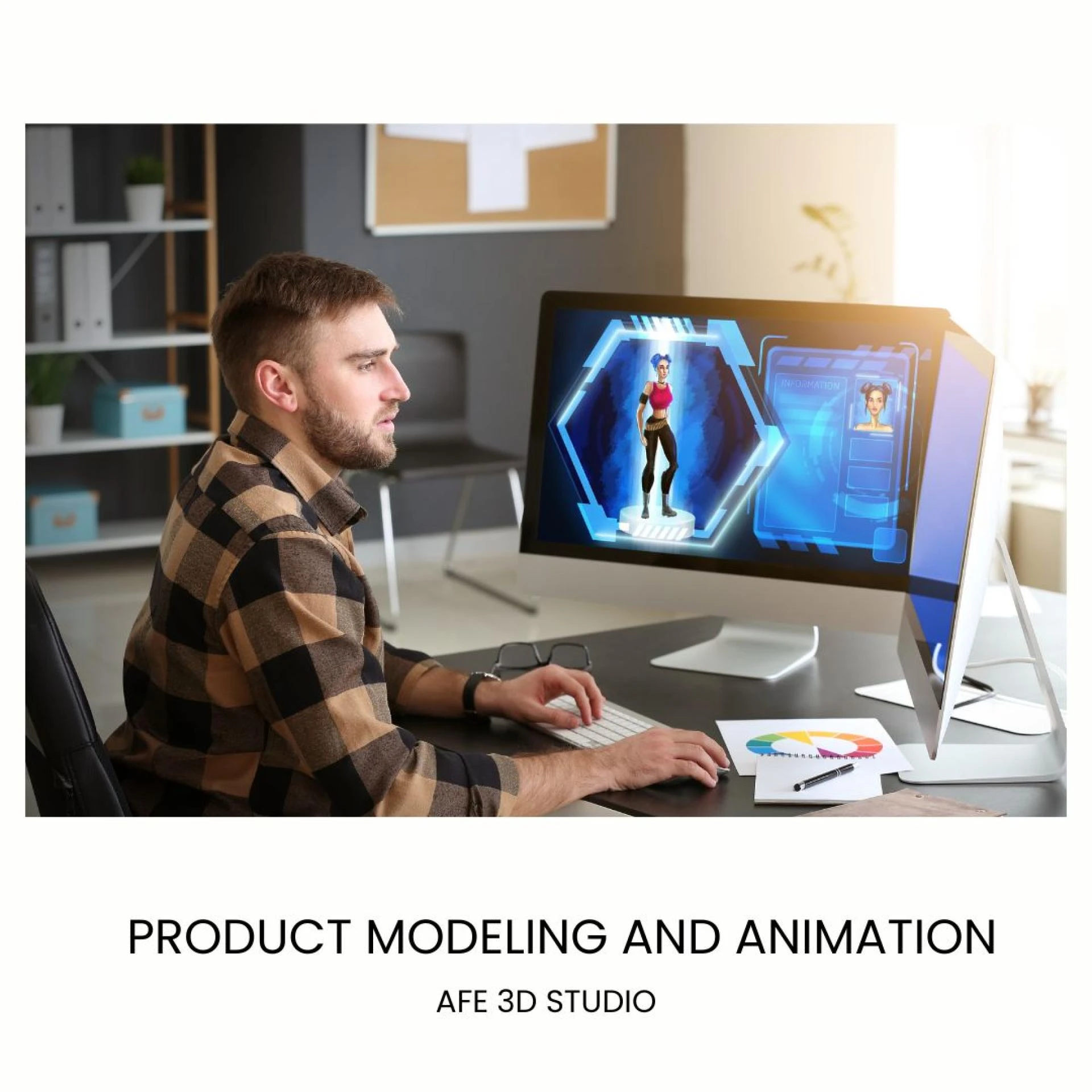

Imagine launching your latest product and letting customers see every detail—its curves, mechanics, and assembly sequence—without ever touching a prototype. This is the power of modern product modeling and animation: a technological shift that allows brands to communicate value with unprecedented clarity and impact.
In today’s digital economy, consumers expect a level of immersion and transparency that static images simply can’t offer. 3D product modeling and animation invite audiences to explore, understand, and experience products virtually—boosting engagement, supporting conversions, and reducing time to market.
The Essence of Product Modeling and Animation
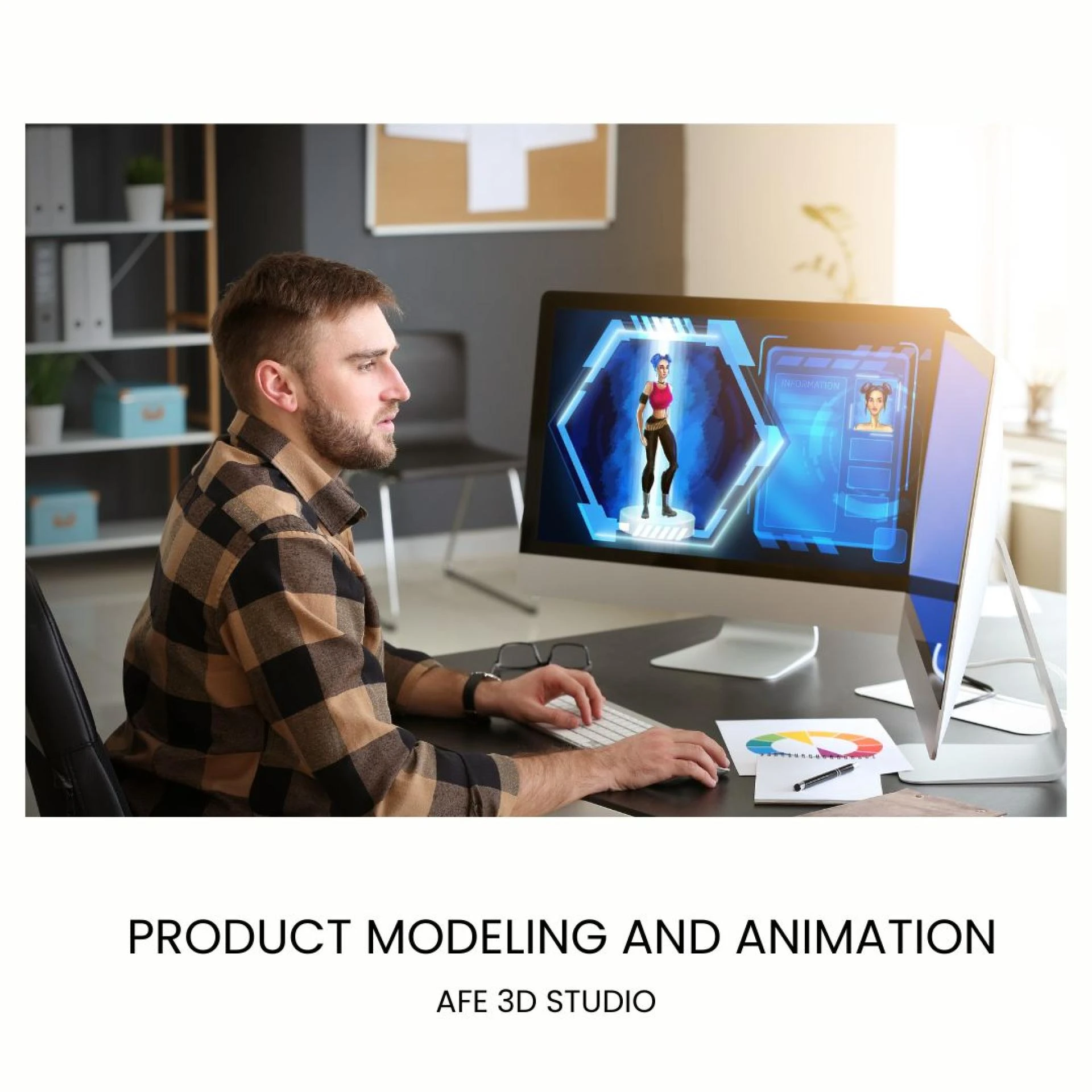
At the heart of effective product marketing lies the need for accurate, detailed, and compelling visuals. Product modeling is the digital art of creating three-dimensional representations of physical objects using CAD (Computer-Aided Design) or advanced 3D modeling software. Animation gives these models life, simulating movements, functions, and environmental interactions in photorealistic or stylized videos.
High-end studios begin with detailed blueprints, CAD files, or even simple sketches. Skilled artists craft geometric shapes, lay out materials, and layer textures until the model is indistinguishable from the real thing. This fidelity is crucial not only for marketing but also for design review, prototyping, and stakeholder presentations.
The Product Animation Process, Step by Step
- Discovery and Concept: Detailed conversations shape goals, target audience, and product USPs (unique selling propositions). This phase locks in critical messaging and presentation style.
- 3D Modeling: Using CAD or 3D software, artists build precise digital models. Special attention is paid to scale, dimensions, engineering mechanisms, and intended functionality for accurate depiction.
- Texturing and Materials: Surfaces get realistic finishes—metallic sheens, plastic matte, glass reflections, or fabric textures—ensuring the final image or animation is visually engaging.
- Lighting and Camera Setup: Digital lights replicate real-world conditions or artistic directions, while camera paths are plotted to highlight angles or features that matter most.
- Animation and Effects: Experts animate moving parts, demonstrate assembly or disassembly, and add transitions, effects, or storytelling elements. Viewers might see an engine’s pistons operate or a handbag’s fabric fold gracefully.
- Rendering and Post-production: Powerful servers render each frame in high resolution. Artists then polish the output with color grading, music, sound effects, and branded graphics.
- Feedback and Final Delivery: Clients review drafts, request revisions, and receive final assets optimized for all digital platforms—website, e-commerce, social, and sales presentations.
Why Invest in Product Modeling and Animation?
1. Enhanced Communication:
No matter how complex your design, a 3D model and animation can illustrate internal workings, unique features, or usability better than any photograph or text.
2. Increased Engagement and Trust:
Interactive, animated visuals increase time on page, reduce confusion, and convince prospects to move further down the buying funnel. This is proven to lower product returns and boost conversion rates.
3. Rapid Iteration and Cost Savings:
Design teams can visualize options, make edits, and showcase updates without building new physical prototypes, reducing development costs and time.
4. Versatile Marketing Content:
A single 3D product model serves many uses—homepage hero images, explainer videos, social teasers, AR apps, and trade show assets. The return on creative investment is multiplied.
5. Better Team Collaboration:
Engineers, marketers, designers, and clients all work from a shared visual reference, preventing misunderstandings and accelerating approval cycles.
Where Product Modeling and Animation Make the Biggest Impact
- E-commerce: Immersive, 360-degree product rotations and feature demos help online shoppers make informed decisions.
- Manufacturing and Engineering: Precise animations clarify assembly, maintenance, or troubleshooting for both internal teams and customers.
- Medical & Healthcare: Complex devices, pharmaceuticals, or mechanisms are demonstrated with the thoroughness real-life imaging can’t provide.
- Automotive & Aerospace: Visualize entire systems, safety features, or aerodynamic properties in high-fidelity explainer content.
- Consumer Tech & Electronics: Turn technical specs into engaging, user-friendly animations, highlighting every user benefit.
Key Features to Demand from a Modeling and Animation Studio
- Portfolio Depth: Look for experience in your industry, with assets that wow at first glance.
- Technical Skill: Engineers should communicate seamlessly with 3D artists for complex assemblies.
- Process Transparency: The best studios guide you through every step, solicit feedback, and respond to market changes or revision requests.
- Software & Technology: Ensure up-to-date, industry-standard tools for maximum asset compatibility and realism.
- Collaborative Spirit: Partners should listen, innovate, and push your vision further.
From Concept to Customer: Leveraging Your 3D Assets
Don’t let your beautiful animations gather dust. Implement them across landing pages, onboarding tutorials, ads, virtual showrooms, and social posts. Consider augmented reality integrations so customers can “place” goods in their environment. Share snippets in presentations, investor meetings, or internal documentation.
Embrace the Future of Product Storytelling
Forward-thinking brands don’t just show their products—they let customers experience them. Product modeling and animation are the gold standard for visual impact, making your ideas tangible, trustworthy, and memorable. Ready to supercharge your marketing, streamline design, and create a show-stopping digital presence? Connect with an expert team and unlock your product’s full potential today.









Sign in to leave a comment.