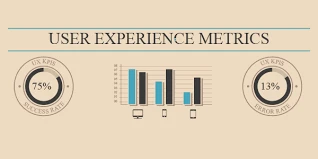

Significance of UX/UI Usability Metrics
In today's digital landscape, UX and UI design are pivotal for the success of digital products and services. In a demanding world with rising consumer expectations, businesses investing in user-centric interfaces gain a competitive edge. This strategic choice positions them favorably within a fiercely competitive market. Now, it's not about whether to invest in UX/UI design but how to measure the ROI of these usability efforts.
This guide delves into the significance of measuring UX/UI ROI and discusses strategies to demonstrate its substantial impact. In the upcoming sections, we'll explore the relationship between design, user satisfaction, and the bottom line. We'll uncover methodologies to quantify the value of compelling digital experiences.
Join us on this journey as we unravel the intricacies of UX/UI usability ROI. We will provide you with the knowledge and tools you need for informed decisions and digital success.
Synergy Between UX and UI
Before delving into the intricacies of measuring ROI, it's essential to understand the significance of UX/UI usability. UX refers to the overall experience that a user has when interacting with a digital product. It encompasses factors like ease of use, accessibility, and overall satisfaction. UI, on the other hand, focuses on the visual elements and design of the interface.
Furthermore, recognizing that UX and UI are intricately linked is pivotal in comprehending their combined impact on a digital product's success. These two disciplines work in tandem, influencing user behavior and shaping the overall perception of a brand or service.
Enhanced User Satisfaction
A well-designed UX/UI enhances user satisfaction, resulting in higher retention rates and increased customer loyalty. This, in turn, significantly contributes to a company's long-term success. This ripple effect can foster brand advocacy and organic growth, ultimately boosting the bottom line.
Reduced Development Costs
Investing in usability from the start can help identify and rectify design flaws early, reducing development costs in the long run. Additionally, it can also lead to more efficient and streamlined workflows, ultimately maximizing operational efficiency and overall ROI.
Increased Conversion Rates
Intuitive and user-friendly interfaces often lead to higher conversion rates, translating into more revenue for businesses. Continually refining and optimizing UX/UI usability allows companies to stay ahead of the competition. It also enables them to capitalize on new growth opportunities in the digital landscape.
Competitive Advantage
A superior UX/UI design can provide a competitive edge in a crowded marketplace. Consistently measuring and improving usability helps businesses stay at the forefront of industry trends. This reinforces the brand's reputation and fosters long-term success.
Now that we've established the importance of UX/UI usability, let's delve into the ROI measurement.
Measuring UX/UI Usability ROI
Conversion Rate Optimization (CRO)
One of the most direct ways to measure ROI is by tracking the impact of UX/UI changes on conversion rates. A/B testing can help compare the performance of different design variations and identify the most effective ones.
Customer Retention
High-quality UX/UI designs often result in lower churn rates. By tracking the reduction in customer attrition, businesses can calculate the ROI of their usability efforts.
Customer Support Costs
Improved usability can lead to a decrease in customer support inquiries, which can significantly reduce operational costs. This cost-saving aspect further contributes to the overall ROI of investing in UX/UI usability.
Task Completion Rates
Monitoring how efficiently users can complete tasks on a digital platform provides valuable insights into the effectiveness of UX/UI design. These insights, when used strategically, can drive continuous improvements, leading to enhanced user satisfaction and ultimately a higher ROI for businesses.
User Satisfaction Surveys
Regularly conducting user satisfaction surveys can help gauge the impact of usability on overall user happiness and loyalty. This feedback loop allows organizations to fine-tune their UX/UI strategies and align them more effectively with user expectations, thereby maximizing ROI.
Demonstrating Business Impact
Once you've gathered data on the ROI of your UX/UI usability efforts, it's crucial to effectively communicate this impact to stakeholders and decision-makers within your organization. Here are some strategies to do just that:
Create Compelling Case StudiesDevelop case studies that showcase specific UX/UI improvements and their direct correlation to increased conversions, reduced costs, or improved user satisfaction. Real-world examples serve as powerful tools for illustrating the practical business impact of usability initiatives. They make a compelling case for continued investment in UX/UI design.
2. Visualize Data
Use data visualization tools to create clear and compelling graphs and charts that highlight the ROI metrics. Visual representations make complex data more accessible and facilitate effective communication with stakeholders. They reinforce the significance of UX/UI usability investments in achieving business goals.
3. Showcase Competitive Advantage
Compare your ROI metrics with those of competitors who may not have invested as heavily in UX/UI usability. Highlight how your company's efforts have provided a competitive edge.
4. Flaunt Success Stories
Share stories of individual users or customers who have benefited from improved usability. Personal anecdotes can humanize the impact and make it more relatable.
5. Align with Business Goals
Emphasize how UX/UI usability aligns with broader business goals such as revenue growth, market expansion, or cost reduction. This alignment underscores the strategic importance of usability in achieving key organizational objectives and highlights its role in driving measurable business impact and ROI.
6. Educate Stakeholders
Organize workshops or training sessions to educate stakeholders about the importance of UX/UI usability and how it contributes to the bottom line. Fostering a shared understanding of usability's role in achieving ROI can lead to more informed decision-making. It can also foster a greater commitment to investing in user-centered design.
7. Track Long-term Impact
Continue to monitor and report on usability metrics over time to demonstrate the sustained impact on the business. This ongoing commitment to measurement and improvement reinforces the long-term value of UX/UI usability and its role in driving consistent ROI.
The Bottom Line of UX/UI Investment
Many companies have recognized the importance of measuring and showcasing the ROI of their investments in UX/UI usability. By demonstrating the tangible business impact of improved user experiences, organizations aim to not only enhance their products but also their bottom lines.
For instance, after conducting thorough usability testing and implementing recommended changes, some companies have reported significant increases in key metrics like bookings or customer engagement. These success stories clearly indicate the ROI achievable through usability investments. Others have focused on improving the usability of their software products and witnessed substantial reductions in operational costs, highlighting the financial benefits of usability enhancements. Additionally, strategic improvements to user interfaces have resulted in impressive spikes in user engagement and retention. This underscores the direct link between usability investments and business success.
These examples underscore the universal significance of measuring and demonstrating UX/UI usability ROI for sustainable growth and competitiveness in the digital age.
Conclusion
Measuring the ROI of UX/UI usability transcends mere number-crunching. It's an endeavor to comprehend the profound and tangible influence that well-crafted digital experiences wield over a business's fate. Beyond the metrics lie a multitude of advantages, ranging from bolstered conversion rates and trimmed support expenses to elevated levels of user contentment.
Effectively illuminating the business impact of UX/UI usability necessitates the meticulous collection of data. It also requires weaving persuasive narratives and an unwavering alignment of usability efforts with overarching business objectives. As the digital arena grows increasingly competitive, companies that prioritize usability and adeptly communicate their ROI are poised to distinguish themselves. In the ever-evolving digital landscape, the journey of mastering UX/UI usability ROI continues. It remains a defining pursuit for those dedicated to achieving excellence in the digital age.









Sign in to leave a comment.