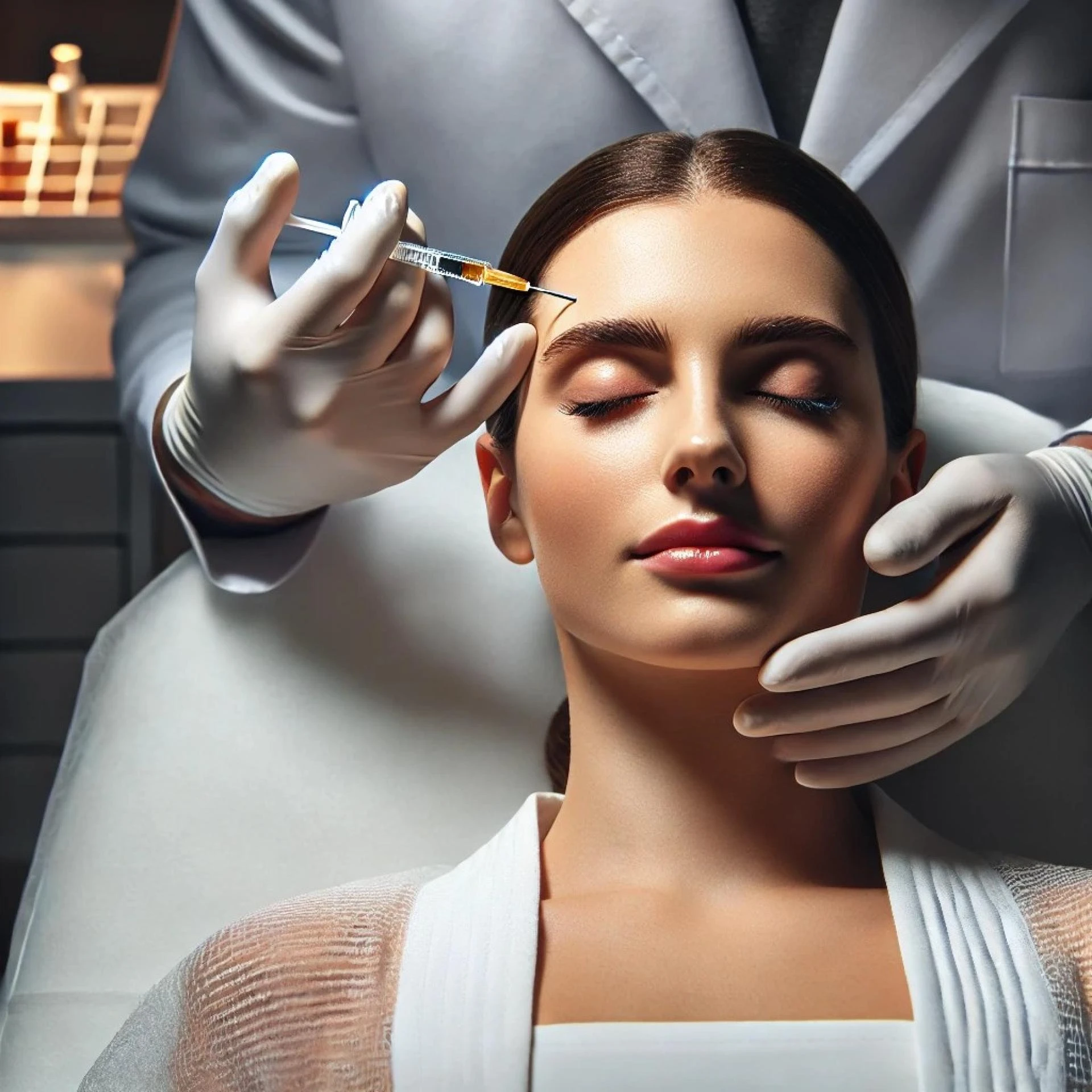

Dark circles under the eyes can be a frustrating and often persistent issue for many people, causing them to appear tired or older than they actually are. While there are a variety of treatments available, one advanced option that has gained attention in recent years is PRP for dark circles treatment. PRP, or platelet-rich plasma therapy, has long been used in various medical fields, including orthopedics and dermatology. In the context of dark circles, PRP involves using a person’s own blood plasma, improved with platelets, to stimulate healing and rejuvenate the skin around the eyes. This non-invasive procedure promises to improve skin texture, reduce dark pigmentation, and revitalize the delicate skin under the eyes. In this blog, we will explore the benefits, side effects, and recovery process associated with PRP treatment for dark circles.
What is PRP for Dark Circles?
PRP therapy begins with a simple blood draw from the patient, typically from the arm. The blood is then processed in a centrifuge, which separates the platelets from other components of the blood. The resulting platelet-rich plasma, which is rich in growth factors and proteins, is then injected into the area beneath the eyes. The goal of PRP therapy is to stimulate collagen production, improve circulation, and accelerate healing, all of which help to reduce the appearance of dark circles and promote healthier, younger-looking skin.
Unlike traditional methods like creams or laser treatments, PRP for dark circles treatment is natural and uses the body's own regenerative capabilities. Since the procedure involves no foreign substances or chemicals, it minimizes the risk of allergic reactions or irritation, making it an attractive option for many patients.
Benefits of PRP for Dark Circles Treatment
PRP for dark circles offers several key benefits, making it an appealing option for individuals who want to address this common concern. Some of the primary advantages of this treatment include:
1. Non-Invasive and Natural
Since PRP therapy uses your body’s own blood, it is a natural treatment option. Unlike fillers or synthetic products, there is little to no risk of an allergic reaction or adverse side effects. The procedure is also non-invasive, meaning no surgery or extensive recovery time is required.
2. Improved Skin Tone and Texture
One of the main benefits of PRP for dark circles is the improvement in skin tone and texture. The platelets in the plasma release growth factors that help stimulate collagen production. Collagen is essential for maintaining the skin's elasticity and strength, which can help reduce the appearance of dark circles and fine lines.
3. Reduces Pigmentation
Dark circles can often be caused by poor circulation or thinning skin under the eyes. PRP therapy promotes better blood flow to the area, which can help improve the oxygenation of the skin. This enhanced circulation helps reduce pigmentation and restore a more even skin tone.
4. Minimal Downtime
Compared to other treatments like laser therapy or chemical peels, PRP for dark circles requires very little downtime. Most people can resume their normal activities immediately after the procedure, though some mild swelling or bruising may occur, which typically resolves within a few days.
5. Long-Lasting Results
PRP treatments offer long-term benefits because they encourage the body’s natural healing processes. The results may not be as immediate as those from fillers, but the improvements can last for several months, depending on the individual’s skin condition and lifestyle.
Side Effects of PRP for Dark Circles
While PRP for dark circles treatment is considered safe, it’s important to be aware of potential side effects. Since the procedure involves injections, there are some risks, though these are generally mild and temporary. Some possible side effects of PRP for dark circles include:
1. Swelling and Bruising
Swelling and bruising are common after any injection-based procedure, and PRP therapy is no exception. Swelling around the eyes may happen and can last for a few days. Mark is also a possibility, though it typically resolves within a week.
2. Mild Redness or Irritation
After the injection, the treated area may appear slightly red or irritated. This is a normal response to the needle puncture and should subside within a few hours to a day.
3. Infection
Although rare, there is always a slight risk of infection with any injection procedure. It is crucial to ensure that the treatment is performed by a qualified and experienced practitioner in a sterile environment to minimize this risk.
4. Allergic Reaction to Numbing Agents
In some cases, a numbing agent may be applied to the treatment area to minimize discomfort. While allergic reactions to these agents are uncommon, they can occur in some individuals. It’s important to inform your practitioner of any known allergies prior to the procedure.
5. Uneven Results
While PRP treatment is generally effective, some individuals may experience uneven results. It may take a few sessions to see the full benefits, and in some cases, the treatment may not provide the desired results. This is why it’s important to have realistic expectations and discuss your goals with your provider beforehand.
Recovery After PRP for Dark Circles
One of the major advantages of PRP for dark circles is the minimal recovery time required. Since the treatment is non-invasive, you can usually return to your daily activities immediately. However, there are a few guidelines to follow for best recovery:
1. Avoid Touching the Area
After treatment, it is essential to avoid touching or rubbing the treated area to prevent irritation or infection. Keeping the area clean and free from makeup for at least 24 hours is advisable.
2. Limit Sun Exposure
For the first few days after the procedure, it’s important to avoid direct sun exposure. Sunburn can worsen swelling or pigmentation and interfere with the healing process. Wearing sunglasses and applying sunscreen can help protect the treated area.
3. Avoid Intense Exercise
While light activities are typically fine, it’s best to avoid strenuous exercise for at least 48 hours after the treatment. Intense sweating can increase the risk of irritation or infection.
4. Follow-Up Appointments
Depending on the severity of your dark circles and the results you desire, you may need multiple sessions to achieve the best outcome. A follow-up appointment will help assess progress and control if additional treatments are necessary.
Conclusion
PRP for dark circles treatment offers an innovative, natural solution to a common aesthetic concern. With its ability to improve skin tone, reduce pigmentation, and enhance collagen production, PRP therapy is an attractive option for those seeking to refresh the delicate skin under their eyes. While the treatment carries minimal risks and downtime, it’s essential to consult with a qualified practitioner to ensure it’s the right choice for you. Whether you’re looking to address dark circles or simply rejuvenate the skin around your eyes, PRP therapy offers a promising and long-lasting solution.







Sign in to leave a comment.