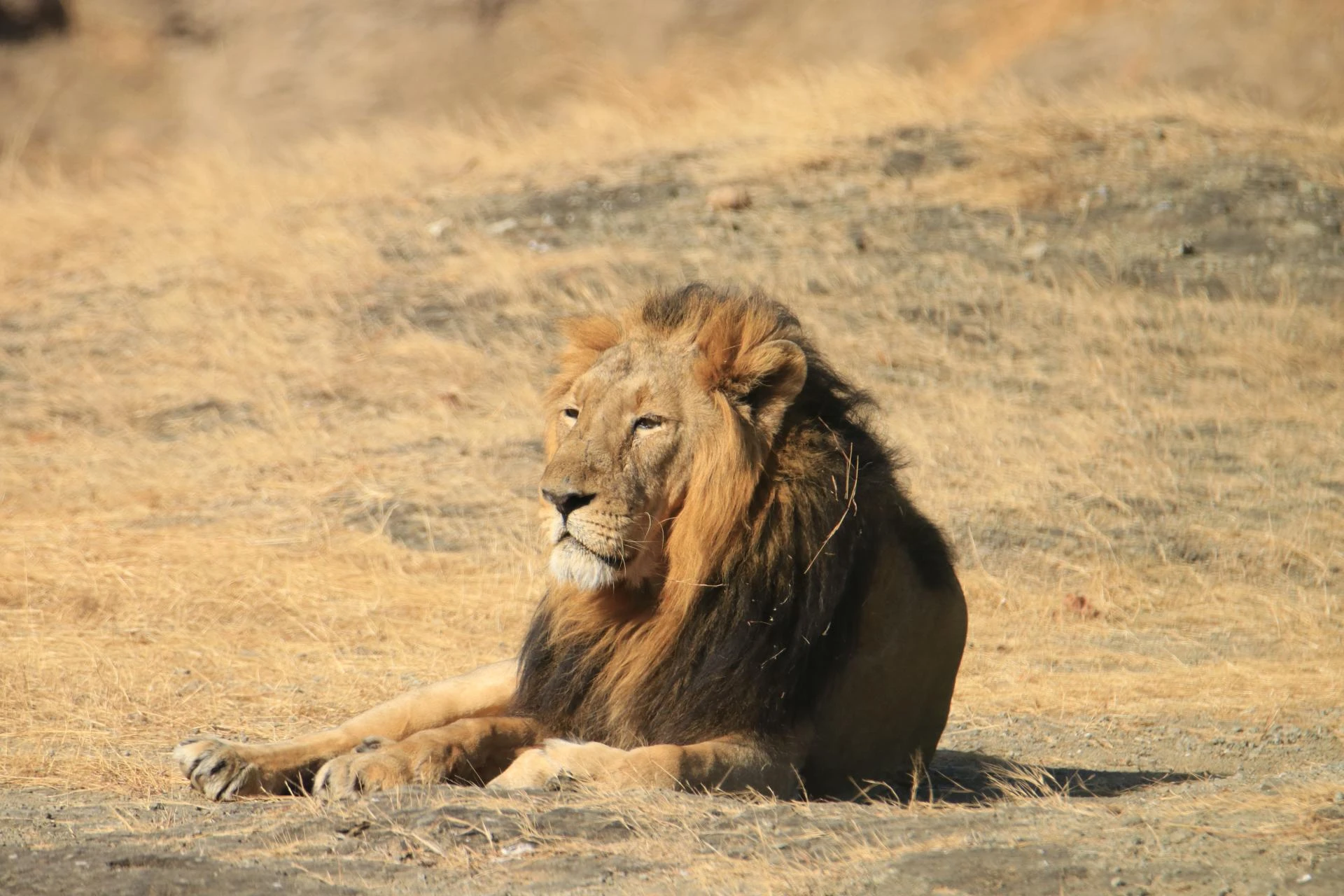

Gir National Park is famously known as the last refuge of the Asiatic lion, but its ecological richness extends far beyond this iconic predator. Spread across more than 1,400 square kilometers in Gujarat, Gir is a thriving habitat that supports a diverse range of flora and fauna, making it a paradise not just for lion lovers but for all wildlife enthusiasts.
While the lion might steal the spotlight, many other fascinating and rare creatures reside in the park’s deciduous forests, rugged hills, and open grasslands. Whether you’re an avid birdwatcher, a wildlife photographer, or just a curious traveler, Gir offers many surprises. Let's take a closer look at some of the rare animals you can encounter during your visit to this extraordinary reserve.
1. Leopards – The Elusive Hunters
Leopards in Gir are among the most elusive and graceful predators. Unlike lions that often rest in visible open areas, leopards prefer to remain hidden in dense foliage or rocky hillsides. However, Gir is considered one of the best places in India to spot them due to their relatively high population within the park.
With their spotted coats blending perfectly into the landscape, catching a glimpse of a leopard is a thrilling experience. They are mostly active during dawn or dusk and are often seen near the forest's edges or waterholes.
2. Rusty-Spotted Cat – One of the World’s Smallest Wild Cats
One of the lesser-known but incredibly rare animals in Gir is the rusty-spotted cat. Weighing just 1-1.6 kg, this nocturnal feline is one of the smallest wild cats in the world. Its elusive nature and preference for dense cover make it extremely difficult to spot.
But for the fortunate few, a sighting of the rusty-spotted cat is unforgettable. These tiny hunters feed on birds, lizards, and small mammals and are a testament to the diversity of Gir’s ecosystem.
3. Indian Pangolin – Nature’s Armor-Bearer
The Indian pangolin is an insectivorous mammal covered in protective keratin scales. Solitary and nocturnal, it uses its long tongue to extract ants and termites from deep within nests. These gentle creatures are incredibly shy and rarely seen, making a sighting very special.
Unfortunately, pangolins are among the most trafficked animals globally, which makes conservation efforts in Gir all the more important. They play a vital role in maintaining ecological balance by controlling insect populations.
4. Striped Hyena – The Scavenger with a Purpose
Often misunderstood, the striped hyena is another important predator in the Gir ecosystem. With its bushy mane and distinctive stripes, this nocturnal animal plays a crucial role in nature’s cleanup crew. By feeding on carrion, hyenas help maintain the park’s hygiene and reduce disease spread.
You may hear their eerie whoops and howls at night if you're staying near the forest. Although sightings are not guaranteed, they are more common during night drives on the periphery of the park.
5. Indian Pangolin – A Rare Find
Another rare mammal in Gir is the Indian pangolin. Covered in overlapping scales, this shy and secretive creature feeds on ants and termites. Their nocturnal habits and preference for burrowing make them tough to locate, but they are an essential part of the ecosystem.
Their presence highlights Gir’s role as a sanctuary not just for large mammals but for rare, lesser-known species that are critical to ecological health.
6. Chowsingha – The Four-Horned Antelope
The Chowsingha, or four-horned antelope, is one of the rarest ungulates in India and can be found in Gir’s dry deciduous forest. As the name suggests, this unique antelope has four horns—two pairs that set it apart from all other antelope species worldwide.
Chowsinghas are timid and tend to live in low densities, which makes spotting them a special treat for wildlife lovers. They usually stay near grasslands and water sources, so keep your eyes open during safari drives.
7. Marsh Crocodiles – Ancient Predators in Kamleshwar Dam
Gir isn’t just about mammals. The Kamleshwar Dam inside the park is home to a healthy population of marsh crocodiles. These ancient reptiles can be seen basking in the sun along the banks or gliding silently through the water.
They share the water with many species of birds and fish, forming a vibrant aquatic ecosystem within the park. Watching these powerful reptiles in their natural habitat is an exciting experience, especially for nature photographers.
8. Long-Billed Vultures – Nature’s Clean-Up Crew
Vultures may not have the charm of big cats, but they play a critical role in maintaining ecological balance. Gir is home to the long-billed vulture, a critically endangered species that has seen drastic declines elsewhere in India.
These scavengers are vital in clearing animal remains and preventing the spread of disease. Gir’s successful breeding program and safe habitat have helped in sustaining their population here, making it a hotspot for vulture conservation.
9. Indian Civet – Nighttime Wanderer
The Indian civet, a nocturnal mammal with a long body and ringed tail, is another rare inhabitant of Gir. They are omnivores and play an important role in seed dispersal, which aids in forest regeneration.
Although they are active at night and shy by nature, you might catch a glimpse during night stays near the forest zone or while on a guided nocturnal nature walk.
10. Birdlife Galore – Over 300 Species
Beyond mammals and reptiles, Gir is a haven for birdwatchers. More than 300 species of birds inhabit the park, including crested serpent eagles, paradise flycatchers, and the rare painted sandgrouse.
Winter months (November to February) bring in migratory birds, making Gir an even more vibrant and colorful destination. The chorus of bird calls adds an enchanting soundtrack to early morning safaris.
Staying Close to the Wilderness
After an exciting day of exploring Gir’s lesser-known wildlife, having a peaceful and comfortable place to relax is essential. Choosing a resort in Sasangir ensures you're close to the action, with easy access to early morning safari gates and guided nature activities.
Aranya Gir Lion Resort, located conveniently near the national park, offers the perfect blend of comfort and proximity to nature. Surrounded by greenery and designed to reflect the essence of Sasan Gir, the resort provides cozy accommodations, local cuisine, and warm hospitality, making it an ideal base for wildlife explorers.
Conclusion
While the Asiatic lion may be the star attraction, Gir National Park is home to an entire cast of rare and fascinating creatures that are equally worthy of attention. From the tiny rusty-spotted cat to the soaring vultures and lurking marsh crocodiles, Gir offers a truly immersive and diverse wildlife experience.
By staying at a resort in Sasangir like Aranya Gir Lion Resort, you not only enjoy comfort but also gain an authentic connection with the landscape. So pack your binoculars, bring your curiosity, and get ready to discover the hidden gems of Gir—beyond the roar of the lion.










Sign in to leave a comment.