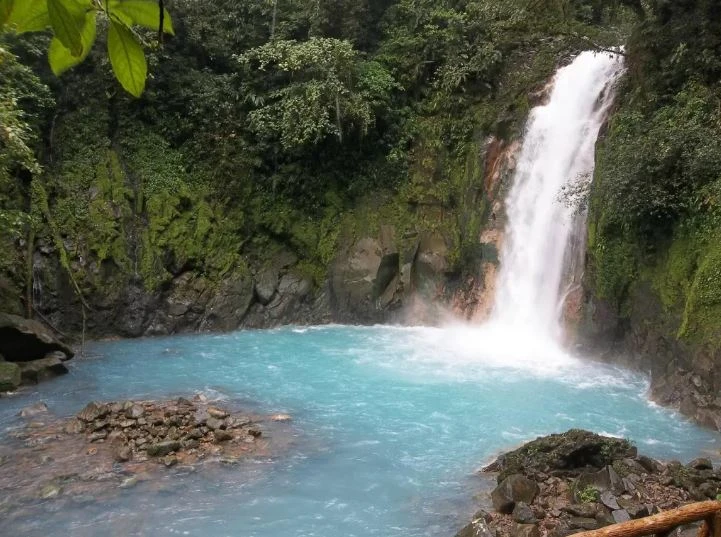

Tenorio Volcano National Park has quietly become one of Costa Rica’s most talked-about natural destinations—and for good reason. While many travelers initially plan their itinerary around famous places like Arenal or Manuel Antonio, those who venture slightly off the main tourist path often discover Tenorio as the highlight of their entire trip. From the surreal blue waters of Río Celeste to dense rainforest trails teeming with wildlife, this park delivers a rare mix of beauty, biodiversity, and authenticity that keeps travelers talking long after they leave Costa Rica.
For travelers from the United States planning a Costa Rica adventure, Tenorio Volcano National Park offers something increasingly hard to find: a pristine, less-commercialized experience that still feels accessible, safe, and unforgettable.
Where Is Tenorio Volcano National Park Located?
Understanding the Tenorio Volcano National Park location helps explain why it feels so untouched. The park sits in northern Costa Rica, straddling the provinces of Guanacaste and Alajuela. It is roughly a 1.5–2.5 hour drive from La Fortuna, making Tenorio Volcano National Park to La Fortuna a popular day trip or overnight excursion.
Unlike parks closer to major beach towns, Tenorio is surrounded by rural landscapes, small communities, and lush rainforest. This geographic isolation protects the park’s ecosystem while rewarding visitors with quieter trails and a deeper connection to nature.
Why Tenorio Volcano National Park Feels So Different
Many national parks in Costa Rica are beautiful—but Tenorio stands apart. The obsession begins with Río Celeste, the park’s famous sky-blue river, created by a natural chemical reaction of volcanic minerals. Photos often look edited, yet the color is completely real.
But the real magic lies beyond the river. Tenorio Volcano National Park combines volcanic geology, cloud forest conditions, and tropical rainforest in a single protected area. This unique blend creates constantly changing scenery, dramatic waterfalls, steaming vents, and one of the richest ecosystems in the country.
Río Celeste: The Moment That Converts Visitors
For most travelers, the hike to Río Celeste is the moment they understand the hype. The trail leads through thick forest before revealing the river’s electric-blue color at Los Teñideros, where two clear streams merge and transform.
This experience alone would make the park worth visiting—but Tenorio offers far more than just one viewpoint. The surrounding trails, waterfalls, and wildlife encounters turn a simple hike into a full-day adventure.
Tenorio Volcano National Park Things to Do
While Río Celeste is the headline attraction, there are many Tenorio Volcano National Park things to do that reward curious travelers:
- Hiking rainforest trails surrounded by towering trees
- Visiting waterfalls and natural pools
- Exploring volcanic fumaroles and bubbling thermal areas
- Wildlife spotting, especially birds and mammals
- Photography and nature observation
Each section of the park offers a slightly different ecosystem, which keeps the experience dynamic and engaging from start to finish.
Wildlife Encounters That Feel Truly Wild
One major reason travelers fall in love with Tenorio Volcano National Park is its biodiversity. Because it is less crowded than other parks, wildlife sightings feel more natural and less staged.
What animals are in Tenorio Volcano National Park?
Visitors frequently spot:
- Howler monkeys and white-faced capuchins
- Coatis, agoutis, and armadillos
- Sloths (though sightings require patience)
- Over 300 bird species, including toucans and motmots
- Amphibians and reptiles adapted to humid forest conditions
The park is especially appealing to nature lovers and photographers who value authenticity over convenience.
Understanding Tenorio Volcano National Park Weather
The Tenorio Volcano National Park weather is humid year-round, with frequent rain showers that keep the forest lush and vibrant. Unlike coastal areas, temperatures remain moderate due to elevation.
- Dry season (December–April): Best trail conditions and higher visibility
- Green season (May–November): Fewer crowds, deeper colors, occasional rain
Interestingly, rain actually enhances Río Celeste’s color intensity, making visits during shoulder months especially rewarding.
Entrance Fees, Tickets, and Planning Ahead
Many USA travelers ask practical questions before visiting, especially about logistics.
Tenorio Volcano National Park entrance fee
The standard entrance fee is typically around USD $12–15 per adult, subject to updates by SINAC (Costa Rica’s national park system).
Tenorio Volcano National Park tickets
Tickets must usually be purchased in advance through the official reservation system or via a guided tour operator. During peak travel months, same-day entry is often unavailable.
Booking with a local tour company simplifies access and ensures compliance with park rules.
Using a Tenorio Volcano National Park Map
A Tenorio Volcano National Park map shows a single main trail system, approximately 6 kilometers round-trip. The route includes stairs, uneven terrain, and moderate elevation changes.
While the trail is well-marked, guided visits provide deeper insight into geology, wildlife behavior, and hidden details most travelers would otherwise miss.
How Far Is Tenorio From La Fortuna?
Many travelers staying near Arenal ask about logistics.
Tenorio Volcano National Park to La Fortuna
The drive typically takes 1.5 to 2.5 hours, depending on route and road conditions. Roads can be rough in sections, especially during rainy months.
This is why many USA visitors prefer guided tours with transportation, allowing them to relax and focus on the experience.
Why Photos Don’t Fully Capture the Experience
Browsing Tenorio Volcano National Park photos online can be misleading. While images of Río Celeste are stunning, they don’t convey the humidity, jungle sounds, volcanic energy, or feeling of discovery.
Travelers consistently report that the real experience feels far more immersive than expected—one of the main reasons Tenorio earns such enthusiastic reviews.
Is Río Celeste Worth It?
Absolutely—and then some.
Is the Rio Celeste worth it?
Yes. Río Celeste is one of Costa Rica’s most unique natural phenomena. The combination of color, jungle surroundings, and volcanic origins makes it unlike any river most travelers have ever seen. When combined with the full park experience, it easily justifies the trip.
Comparing Tenorio to Other Volcano Parks
Travelers often compare Tenorio to more famous destinations.
Is it worth to visit Irazú Volcano?
Irazú offers dramatic crater views and easy access, but it lacks the immersive rainforest experience. Tenorio delivers more biodiversity, longer hikes, and a stronger sense of adventure.
How Tenorio Fits Into a La Fortuna Itinerary
Is 2 days enough in La Fortuna?
Two days in La Fortuna allows for highlights like Arenal Volcano and hot springs, but adding Tenorio requires at least one additional day for a balanced experience.
How long is the hike to La Fortuna?
There is no direct hike between Tenorio and La Fortuna; travel is done by vehicle.
Transportation Considerations
Is Uber available in La Fortuna?
Uber operates inconsistently in La Fortuna. For Tenorio visits, private transportation or guided tours are far more reliable, especially for USA travelers unfamiliar with rural road conditions.
Why Travelers Become “Obsessed” With Tenorio
The obsession isn’t just about scenery—it’s about contrast. Tenorio feels raw, peaceful, and authentic in a country where some destinations feel overdeveloped. It reminds travelers why they chose Costa Rica in the first place.
Why Visit Tenorio With Ecoterra Costa Rica
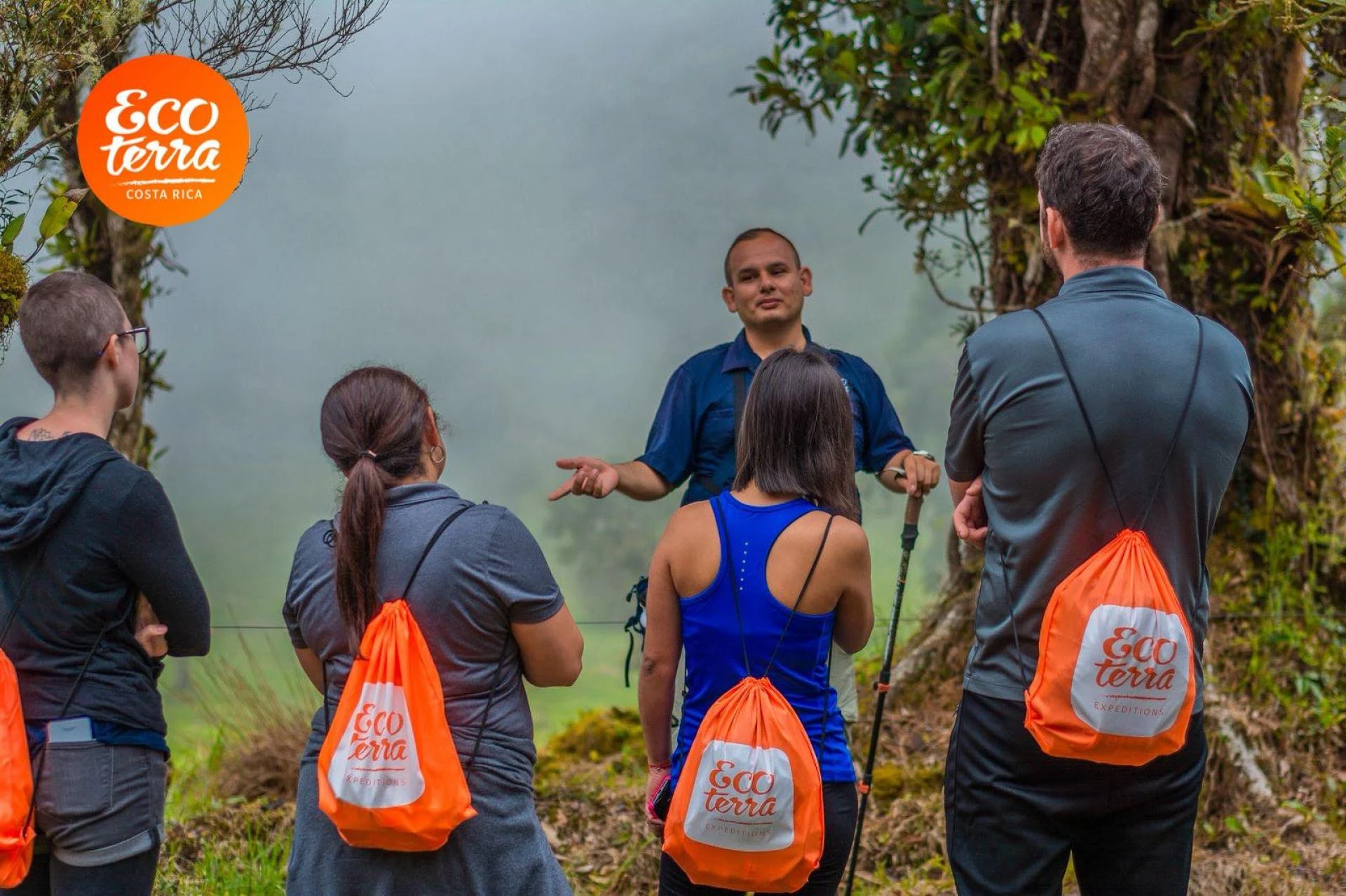
At Ecoterra Costa Rica, we specialize in creating immersive, responsible experiences led by local experts. Our guided Tenorio tours focus on safety, education, and meaningful exploration—ideal for travelers from the United States seeking more than just sightseeing.
We handle:
- Park tickets and reservations
- Professional naturalist guides
- Comfortable transportation from La Fortuna
- Personalized pacing and small groups











Sign in to leave a comment.