
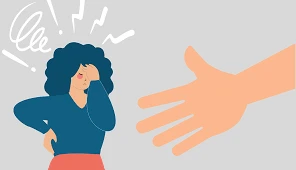
Anxiety disorders are among the most common mental health conditions worldwide, affecting millions of people across all ages and backgrounds. While occasional anxiety is a normal part of life, persistent and overwhelming anxiety that interferes with daily activities may be a sign of an anxiety disorder. Recognizing the early signs of anxiety disorders is crucial for seeking timely support and effective treatment. In this comprehensive guide, we explore the early symptoms of anxiety, their impact, and how to navigate the path to recovery.
Understanding Anxiety Disorders
Anxiety disorders encompass a range of conditions characterized by excessive fear, worry, or nervousness. These include Generalized Anxiety Disorder (GAD), Panic Disorder, Social Anxiety Disorder, Separation Anxiety Disorder, and specific phobias. Though each type presents differently, they all share the common thread of excessive, persistent anxiety that disrupts life.
Why Early Detection Matters
Early detection of anxiety disorders can significantly improve outcomes. When symptoms are identified early, individuals have a better chance of managing their condition with therapy, lifestyle changes, and medication if necessary. Untreated anxiety can lead to complications such as depression, substance abuse, and physical health issues like heart disease or gastrointestinal problems.
Common Early Signs of Anxiety Disorders
Recognizing the early symptoms of anxiety can be challenging, especially because they often develop gradually and can be mistaken for everyday stress. Here are some of the most common early signs:
1. Excessive Worrying
One of the hallmark symptoms of anxiety disorders is persistent and excessive worry about everyday situations. This worry is often disproportionate to the actual threat and can interfere with daily functioning.
2. Restlessness and Irritability
People in the early stages of anxiety may feel constantly "on edge." This restlessness can manifest as difficulty sitting still, fidgeting, or a short temper.
3. Fatigue
Despite adequate rest, individuals with anxiety often feel exhausted. The mental toll of constant worry and physical symptoms such as muscle tension contribute to this fatigue.
4. Difficulty Concentrating
Anxiety can make it hard to focus or complete tasks. Many people describe this as having a "blank mind" or struggling to stay on track.
5. Sleep Disturbances
Trouble falling asleep, staying asleep, or experiencing non-restorative sleep are all common in individuals with anxiety. Racing thoughts or physical symptoms like a racing heart can make restful sleep difficult.
6. Muscle Tension
Chronic muscle tension, particularly in the neck, shoulders, or back, is a physical sign of anxiety. It can lead to discomfort and pain that interferes with daily activities.
7. Avoidance Behavior
People with anxiety may begin to avoid situations that trigger their symptoms. For instance, someone with social anxiety might decline invitations to social events or meetings.
8. Panic Attacks
In some cases, anxiety can escalate into panic attacks, characterized by intense fear, heart palpitations, sweating, shortness of breath, and a sense of impending doom.
When to Seek Help
If any of these symptoms persist for more than a few weeks and start to impact your daily life, it may be time to seek professional help. Anxiety disorders are highly treatable, but early intervention can make a significant difference in recovery time and overall well-being.
Treatment Options for Anxiety Disorders
Effective treatment often includes a combination of therapy, medication, and lifestyle changes. Here are some commonly recommended approaches:
1. Cognitive Behavioral Therapy (CBT)
CBT is one of the most effective forms of therapy for anxiety disorders. It focuses on identifying and changing negative thought patterns and behaviors.
2. Medication
Anxiety meds can be highly effective for managing symptoms, especially when therapy alone isn't enough. Medications such as SSRIs (Selective Serotonin Reuptake Inhibitors) or benzodiazepines are commonly prescribed.
3. Lifestyle Changes
Exercise, meditation, healthy eating, and adequate sleep can significantly reduce anxiety symptoms. Building a strong support system also plays a critical role in managing anxiety.
4. Online Resources and Support
With the rise of digital health, it's now easier than ever to access anxiety meds online. Many reputable platforms connect users with licensed healthcare providers who can evaluate symptoms and prescribe appropriate medications, all from the comfort of home.
Reducing the Stigma Around Anxiety
One of the biggest barriers to seeking help is the stigma that still surrounds mental health issues. It's important to remember that anxiety disorders are medical conditions, not character flaws. Open conversations and education can help reduce stigma and encourage more people to seek help.
Supporting Someone with Anxiety
If someone you care about is showing signs of anxiety, your support can make a significant difference. Encourage them to talk about their feelings, be patient, and suggest professional help if appropriate. Simply listening without judgment is often the most valuable support you can offer.
Final Thoughts
Recognizing the early signs of anxiety disorders is a crucial step toward recovery. Whether you're experiencing these symptoms yourself or noticing them in someone else, know that help is available. From traditional therapy to the convenience of accessing anxiety meds online, numerous effective options can guide individuals toward a healthier, more peaceful life. If you're struggling, don’t hesitate to reach out. Your mental health matters, and taking the first step can make all the difference.













Sign in to leave a comment.