Recovery Is Hard. So Is Ruining Your Life. Pick One.
Let’s cut the sugarcoating:
Recovery is hard.
But ruining your life? That’s hard too.
After more than ten years in addiction treatment, I can tell you this from experience: people don’t usually fail overnight. They fail in slow, repeated choices, in the daily negotiations they make with themselves. And most of them insist it’s too hard to do recovery.
Here’s the truth: continuing down the path of addiction is just as hard—maybe harder—because you’re doing all the work the wrong way.
The Myth of the “Easy Fix”
You might think, “I can handle this myself,” or “It’s just a phase.”
Those thoughts are comfortable. They feel safe. But here’s the problem: addiction doesn’t play fair.
It’s not a negotiation. It doesn’t care about your excuses, your willpower, or how “responsible” you think you are. Every day you delay treatment, you pay a price—sleep, health, relationships, finances. The effort of maintaining the illusion of control is exhausting.
That’s hard.
Short-Term Pain vs. Long-Term Damage
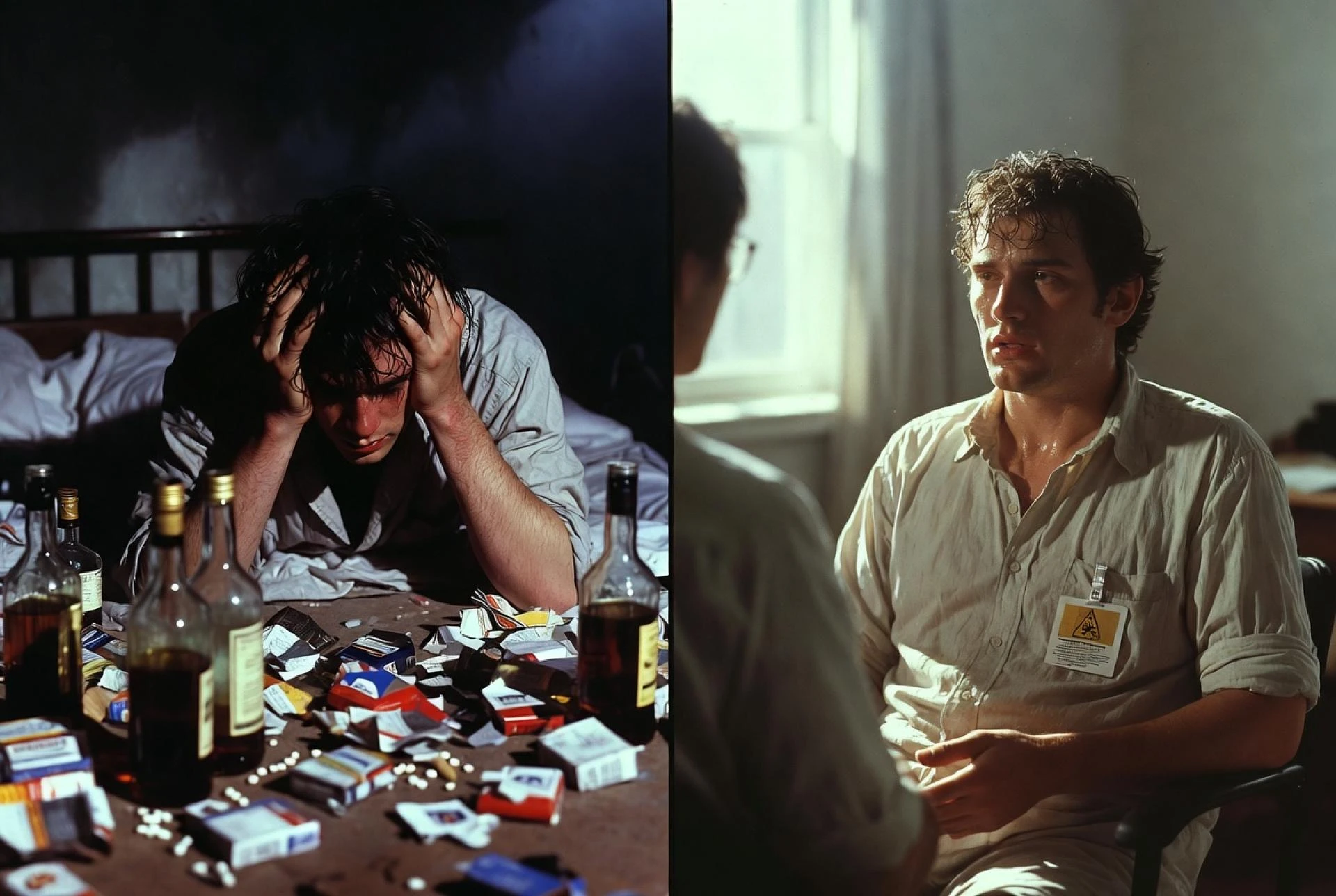
Recovery is front-loaded with discomfort:
- Facing withdrawal symptoms.
- Confronting the feelings you’ve been numbing.
- Owning up to the consequences of your actions.
It’s uncomfortable, no doubt. But that discomfort is temporary and structured. You’re supported. You have guidance. You have a plan.
Ruining your life is slower, sneakier, and far less controlled. You may feel okay today. Tomorrow, your tolerance has increased. Next week, relationships are more strained. A month later, health complications appear. You’re constantly firefighting—reactive instead of proactive. That’s long-term hard.
The Illusion of “I’m Fine”
I’ve worked with high-functioning professionals, parents, and students who insist they’re “fine” because they haven’t lost everything. But inside, anxiety, guilt, shame, and exhaustion are constant companions. Functioning is not thriving. Maintenance is not living.
Eventually, the effort to keep this façade becomes heavier than the effort required to actually fix the problem.
Treatment Isn’t Just “Stopping”
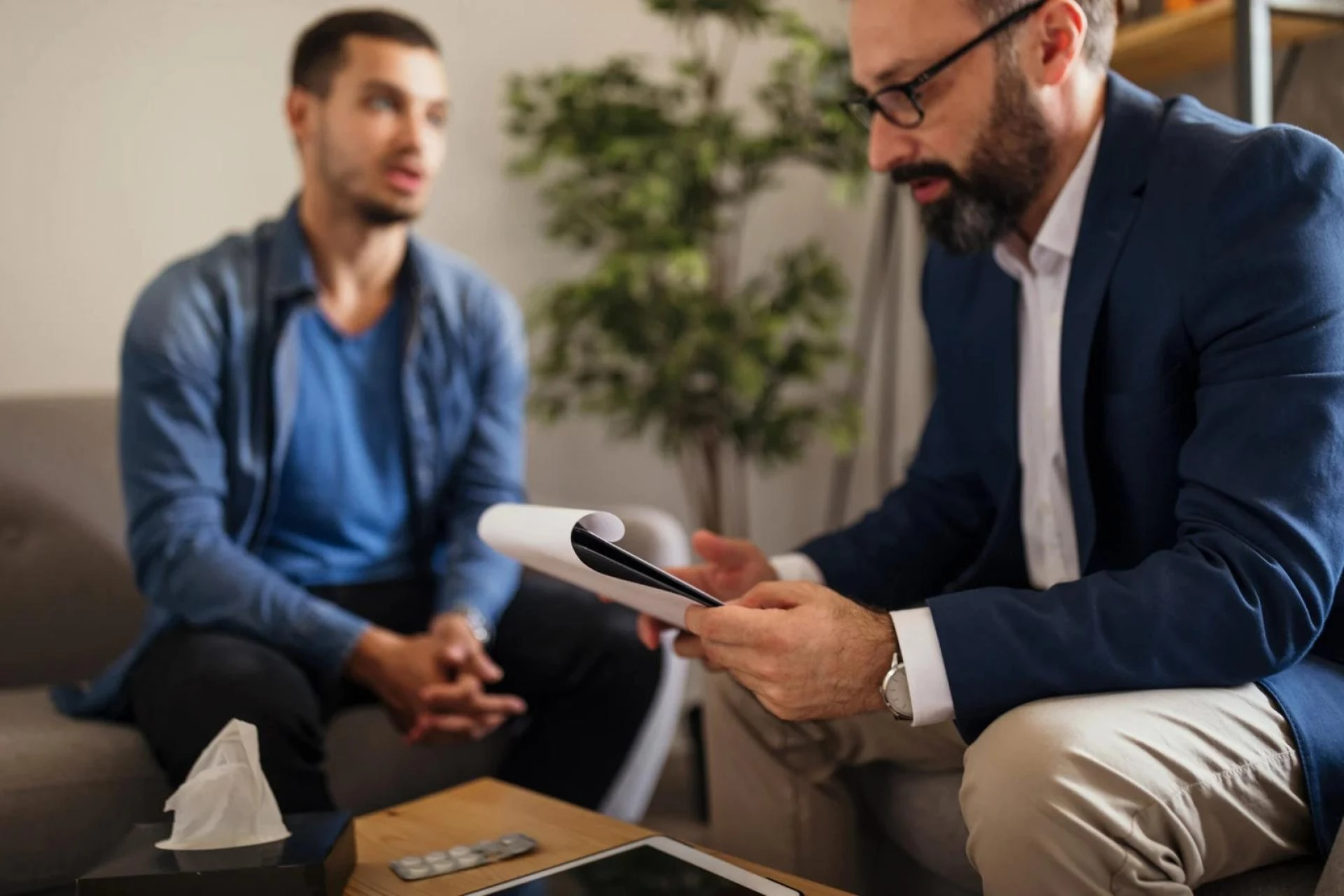
Stepping into Addiction Treatment in Columbus isn’t about shame or punishment. It’s about structure. Clarity. Accountability. It’s about interrupting the daily pattern of choices that slowly destroy your life.
The difference is simple: in treatment, you’re doing hard things that build you. Outside, you’re doing hard things that break you.
Choose Your Hard
Both paths are hard. One expands your life. One contracts it.
- You can feel discomfort now, regain stability, rebuild relationships, and restore your health.
- Or you can continue “managing” addiction, losing pieces of your life silently, until the consequences are irreversible.
The people who commit to recovery almost always say the same thing: “I wish I’d started sooner.”
The people who delay? They often live with regret that doesn’t fade.
The Reality
Recovery isn’t optional if you want your life back. But delaying it doesn’t make life easier. It just makes consequences heavier.
The choice is yours:
Hard now, or hard later.
Temporary discomfort, or permanent loss.
Growth, or slow destruction.
Recovery is hard. So is ruining your life. Pick one.









Sign in to leave a comment.