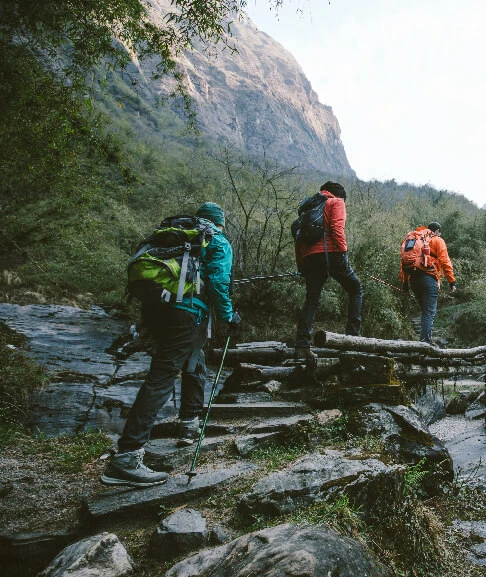
When you think about recovery, what usually comes to mind? Counseling, medication, maybe group therapy, right? But what if healing could also come from doing things you actually enjoy — like painting, swimming, hiking, or even playing music?
That’s exactly what Recreation Therapy is all about — blending healing with meaningful, enjoyable activities that boost your emotional, physical, and mental well-being.
At WisHope Recovery, recreation therapy is more than just “fun.” It’s a structured, evidence-based approach designed to help individuals rediscover themselves through creativity, connection, and movement. Let’s dive into how it works, why it’s so effective, and how it plays a vital role in long-term recovery.
What Is Recreation Therapy and How Does It Work?
Recreation therapy, also known as therapeutic recreation, is a holistic approach that uses recreational activities to promote healing and improve quality of life.
Unlike casual hobbies, these activities are guided by a licensed recreational therapist who designs experiences that address specific emotional, social, or physical challenges.
At WisHope Recovery, recreation therapy is customized for every individual — whether you’re recovering from addiction, trauma, or mental health issues. The goal is to help you build self-confidence, reduce stress, and find healthy ways to cope with life’s challenges.

Examples of activities in recreation therapy include:
- Art and music therapy sessions
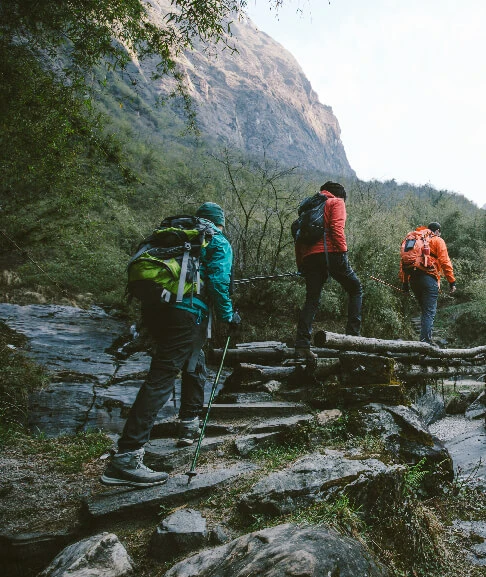
- Outdoor activities like hiking, swimming, or yoga
- Group sports or fitness exercises
- Meditation and mindfulness walks
- Team-building and trust-based games
Each activity is carefully chosen to support emotional regulation, social connection, and physical wellness — three pillars essential for sustainable recovery.
Why Is Recreation Therapy Important in Addiction Recovery?
If you’ve ever tried to fill the void that addiction leaves behind, you know it’s not easy. Many people struggle with boredom, isolation, or loss of purpose.
Recreation therapy at WisHope Recovery helps bridge that gap by reintroducing joy and fulfillment through positive, healthy experiences.

Here’s how it makes a difference:
- 🧠 Mental Health: Engaging in creative or physical activities boosts dopamine and serotonin — the brain’s “feel-good” chemicals — helping reduce anxiety and depression.
- 💪 Physical Health: Regular movement and exercise improve energy levels, balance, and overall body strength — vital for rebuilding health post-addiction.
- 🤝 Social Connection: Participating in group activities encourages communication, teamwork, and empathy — all of which help reduce feelings of isolation.
- 💬 Self-Expression: Creative outlets like art and music help individuals express emotions they may not have words for.
- 🧭 Sense of Purpose: By setting goals and achieving them (even small ones like completing a hike), individuals rediscover a sense of control and direction.
Recreation therapy isn’t just a side activity — it’s a core therapeutic tool that helps people thrive emotionally and physically during and after treatment.
How Is Recreation Therapy Different from Regular Exercise or Hobbies?
That’s a great question many people ask! While exercise or hobbies can be beneficial, recreation therapy goes a step further by making these activities intentional, guided, and therapeutic.
A Certified Therapeutic Recreation Specialist (CTRS) uses psychology, behavioral science, and goal-setting to design programs that align with each person’s recovery needs.
For example:
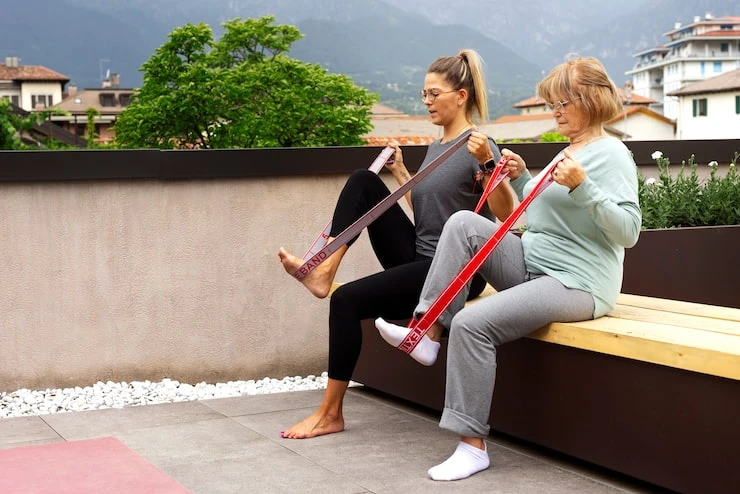
- If someone struggles with anxiety, activities like yoga or guided nature walks can help regulate stress.
- If another person finds it hard to socialize, team-based games or cooperative tasks are introduced to build communication skills.
So, rather than being “just for fun,” recreation therapy becomes an active part of your healing plan at WisHope Recovery — backed by science and guided by compassion.
What Are the Benefits of Recreation Therapy at WisHope Recovery?
Recreation therapy offers an incredible range of benefits that complement traditional treatment methods like cognitive behavioral therapy (CBT) or dialectical behavior therapy (DBT).
Here are some of the top advantages you’ll experience at WisHope Recovery:
- Enhanced Emotional Regulation: Learn to manage difficult emotions through positive, hands-on outlets.
- Improved Social and Communication Skills: Connect meaningfully with peers and therapists through teamwork and shared experiences.
- Boosted Self-Esteem: Accomplishing creative or physical goals builds a renewed sense of self-worth.
- Stress Reduction: Mind-body activities like yoga and meditation decrease anxiety and promote relaxation.
- Better Coping Strategies: Develop healthier ways to manage triggers and stress — skills that last long after treatment.
These outcomes make recreation therapy not just enjoyable but essential to long-term wellness and sobriety.
Who Can Benefit from Recreation Therapy?
Recreation therapy is suitable for people of all ages and backgrounds. At WisHope Recovery, it’s especially helpful for:

- Individuals recovering from substance use disorders
- Those coping with trauma or grief
- Adults experiencing depression or anxiety
- People struggling with low self-esteem or isolation
Because it combines fun and healing, it’s often one of the most welcomed parts of treatment. Many clients report that they look forward to recreation sessions as moments of true relaxation and self-discovery.
What to Expect from Recreation Therapy at WisHope Recovery
When you join WisHope Recovery, your journey starts with a personalized assessment by a licensed recreation therapist. Together, you’ll identify your interests, challenges, and recovery goals.
From there, your therapist will create a customized activity plan that might include:
- Outdoor excursions and mindfulness-based nature therapy
- Group fitness and yoga sessions
- Art and music workshops
- Creative journaling or storytelling exercises
Every session focuses on one key theme — healing through action. It’s not about being perfect at a sport or art; it’s about rediscovering what makes you feel alive and connected.
Frequently Asked Questions (FAQs)
1. Is recreation therapy evidence-based?
Yes, recreation therapy is backed by research and recognized by organizations like the American Therapeutic Recreation Association (ATRA). It’s proven to improve physical health, emotional stability, and social engagement in recovery settings.
2. How long does recreation therapy last during treatment?
It varies! At WisHope Recovery, sessions are tailored to each person’s program and progress. Some may engage in daily sessions, while others participate several times a week.
3. Do I need to be athletic or artistic to join?
Not at all! Recreation therapy isn’t about performance — it’s about participation. Whether you’re painting for the first time or taking a gentle walk, every activity supports healing at your own pace.
4. Can recreation therapy help prevent relapse?
Absolutely. By replacing old, harmful habits with positive and fulfilling activities, recreation therapy helps individuals find sustainable joy and purpose — two key factors in relapse prevention.
5. How does recreation therapy complement other treatments?
It works alongside other modalities like CBT, DBT, and group counseling to create a whole-person approach. Together, these therapies address both emotional healing and personal growth.
Find Joy in Recovery at WisHope Recovery
Recovery doesn’t have to be all about hard work and reflection — it can also be about rediscovering laughter, creativity, and connection.
Through recreation therapy at WisHope Recovery, individuals are reminded that healing can be active, enjoyable, and deeply fulfilling.
If you or your loved one is ready to explore a new path to wellness, reach out to WisHope Recovery today. Let’s rebuild not just a life free from addiction — but a life full of purpose, joy, and genuine happiness.












Sign in to leave a comment.