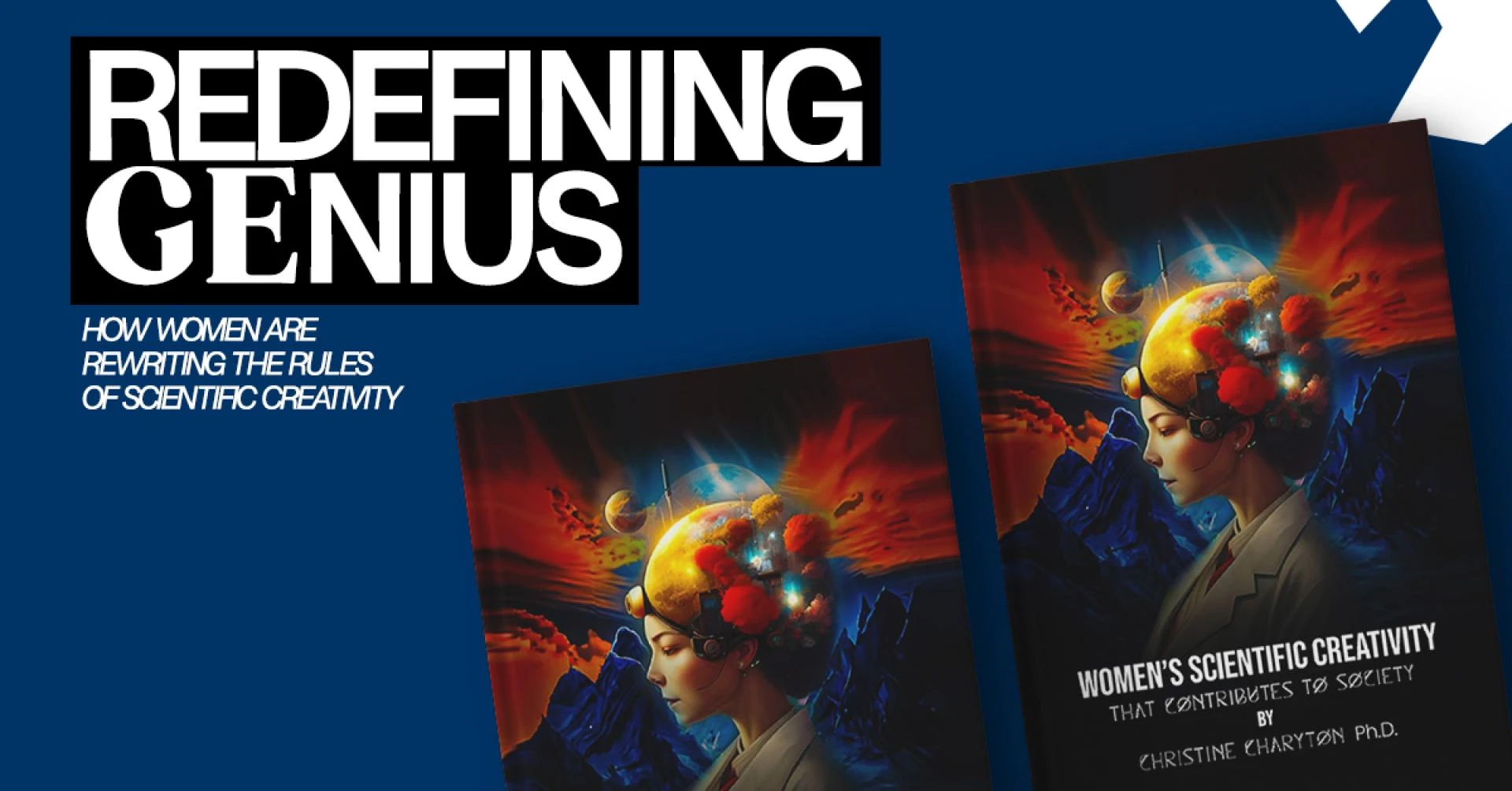

Creativity in science has long been viewed through a narrow prism—objective, data-driven, and, all too often, male-dominated. But Christine Charyton’s illuminating book, Women’s Scientific Creativity: That Contributes to Society, dismantles that narrative and replaces it with a dynamic, inclusive, and forward-thinking vision of innovation.
This isn’t just a collection of female success stories—it’s a manifesto for rethinking the very framework of how we define and support creative achievement in STEM.
Where Innovation Meets Identity
Each page is a testament to the unique lens through which women have approached and transformed science. From Temple Grandin’s empathetic understanding of animals rooted in her autism, to the storied strength of the Ukrainian Cossack Warrior Women who defied gender roles long before it was socially accepted, this book demonstrates how individual identity fuels creative breakthroughs.
It is in these intersections—of gender, culture, and thought—that true innovation blooms.
Breaking Through the Glass Box, Not Just the Glass Ceiling
Charyton digs deeper than the usual conversations about women in science. She doesn’t just ask why aren’t there more women in STEM? She asks how does the presence of women fundamentally change science itself?
The answer? Women often approach problems holistically, drawing from emotional intelligence, collaborative instincts, and cultural sensitivity—traits that lead to richer, more sustainable solutions in everything from medicine to engineering.
These insights challenge the long-held assumption that objectivity and creativity are at odds. In fact, the stories in this book show they’re deeply intertwined.
Education, Access, and the Power of Perception
Another key thread running through the book is the importance of mentorship and education. Charyton highlights how early exposure to scientific thinking, coupled with encouragement to explore one’s full creative self, makes all the difference. She invites institutions to move beyond tokenism and invest in systems that recognize diverse paths to excellence.
The book also examines how bias and perception shape opportunity, subtly suggesting that the next Einstein might not look like who we expect—and that might be exactly what we need.
Building a More Creative Future for All
Women’s Scientific Creativity doesn’t just celebrate where we’ve been. It’s an invitation to build a better future—one where scientific creativity is open, diverse, and truly representative of the global human experience.
For anyone involved in education, research, innovation, or equity work, this book is both a wake-up call and a roadmap.
In the end, Charyton offers more than proof of women’s contributions—she offers proof that the future of science depends on expanding the definition of creativity itself.
Amazon Link: Women’s Scientific Creativity













Sign in to leave a comment.