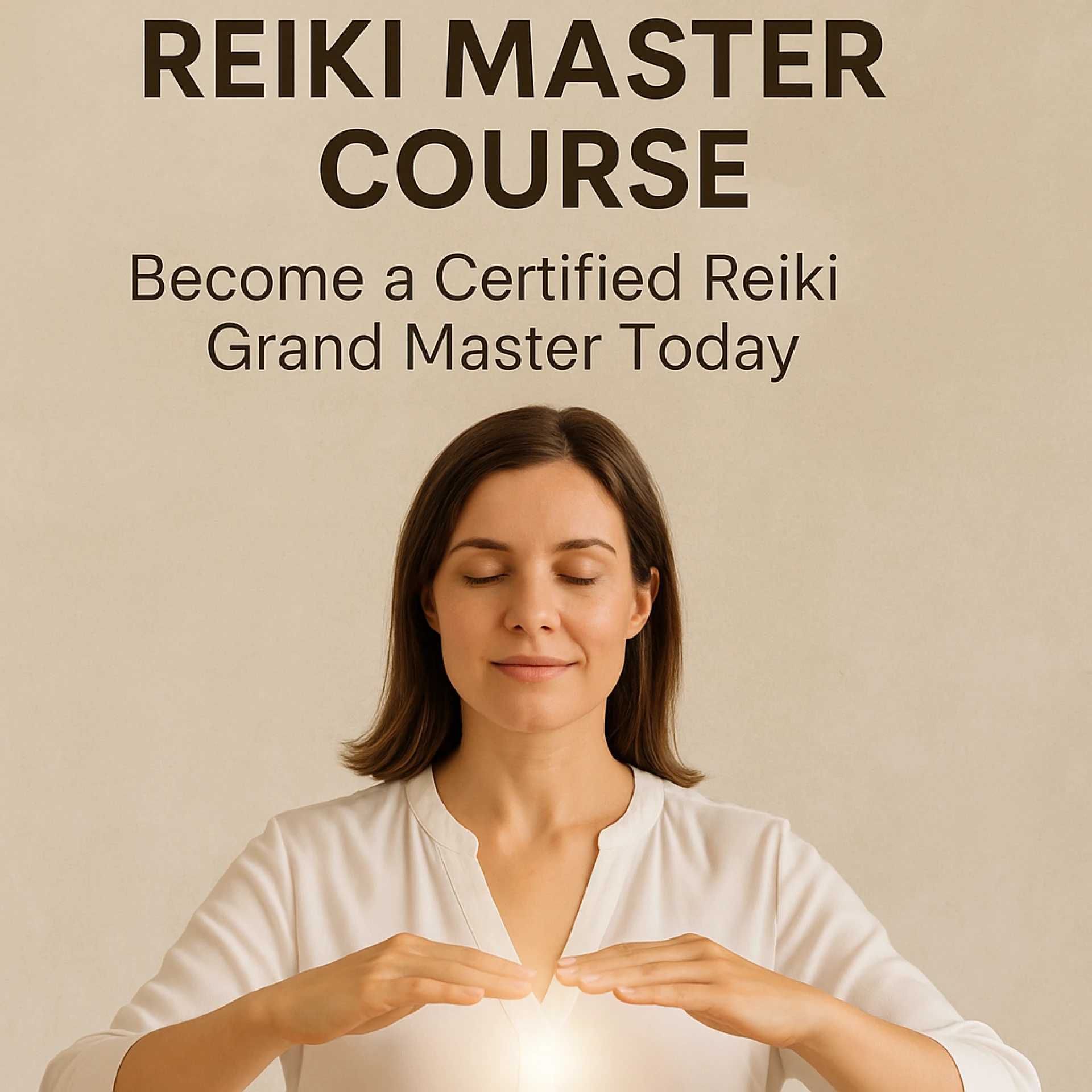
The journey into Reiki often begins with a whisper—a quiet curiosity about energy, healing, and the interconnectedness of all things. For many, this path unfolds through levels of attunement. Level I opens the door to self-healing. Level II deepens the practice, allowing the practitioner to send healing across distance and time. But for some, the path leads further, to a profound level of commitment and understanding: the Reiki Master Course.
This advanced training is not merely an extension of previous levels; it is a transformation. It is where a practitioner evolves, embracing the full spectrum of the Usui healing system and, for many, accepting the sacred responsibility of teaching and attuning others. This is the journey of mastering the art of healing and stepping into the role of a teacher.
What is a Reiki Master? Beyond the Title
In the world of holistic wellness, the title "Master" can be misunderstood. In the context of Reiki, it does not imply that one has mastered life or has nothing left to learn. On the contrary, reiki masters often state that this is where the true learning begins.
Becoming a Reiki Master is a deep, personal commitment to living the Reiki principles and embodying the energy. It signifies a completion of the formal training cycle, providing the practitioner with the complete set of tools and knowledge within that specific lineage. This level is traditionally split into two parts, which are often taught together: the Master Practitioner (Level 3a) and the Master Teacher (Level 3b).
- The Master Practitioner: This stage involves receiving the master attunement and learning the master symbol. This symbol significantly amplifies the healing energy, allowing for deeper, more profound healing sessions for oneself and for clients.
- The Master Teacher: This is the component that empowers the individual to pass on the gift of Reiki. They learn the sacred process of attunement—the ritual that opens a student's channels to the Reiki energy.
A true Reiki Master Course guides an individual to integrate the master energy into their very being, fostering a state of inner peace and understanding that becomes the foundation for all their healing work and teaching.
The Core Components of Reiki Master Level Training
While the exact curriculum can vary slightly depending on the lineage and the individual teacher, a comprehensive reiki master level training program focuses on several key areas. The focus shifts from doing Reiki to being Reiki.
Learning the Master Symbols
Just as Level II introduces symbols for distance and emotional healing, the Master level introduces its own sacred symbols. These symbols hold a very high vibration. Practitioners learn:
- The Usui Master Symbol: This is the primary symbol used in the master attunement. It is a powerful tool that enhances the connection to the Reiki source, increases the effectiveness of other symbols, and is used to attune new students.
- Other Traditional Symbols: Depending on the lineage (e.g., Usui/Tibetan), other symbols may be introduced to assist in the attunement process or for advanced healing techniques.
The Sacred Art of the Attunement
The most significant component of the "Teacher" aspect is learning to perform attunements (or Reiju in some traditions). This is the process that reiki masters use to awaken the Reiki energy within a student.
This part of the reiki master level training is taught with great reverence. A student learns the precise movements, intentions, and symbols required to attune others to Reiki Level I, Level II, and the Master Level. It involves understanding the energetic responsibility of opening another person’s healing channel and the ethics involved in guiding them on their new path.
Advanced Healing Techniques
This level also provides tools for deeper healing work. While Level II is comprehensive, the Master level often introduces techniques that utilize the amplified energy of the master symbol. This might include:
- Creating a Reiki grid with crystals to send continuous healing.
- Advanced techniques for aura clearing or "psychic surgery" to remove deep energetic blockages.
- Meditations and practices designed to increase consciousness and deepen the practitioner's own spiritual connection.
A Glimpse into the Journey: Practitioner Voices
The transformation at the master level is often described as profound. While experiences are individual, common themes of deep self-awareness and empowerment emerge.
"The reiki master level training was not what I expected. I went in thinking I would just learn to teach. I came out of it feeling completely realigned. It was a course in self-mastery first, and a teaching course second. It fundamentally changed my relationship with my own healing." — K.T.
"Holding the space for my first student's attunement was one of the most humbling experiences of my life. The Reiki Master Course prepared me for the technical aspects, but the true gift was understanding the sacred trust being placed in me. It's a responsibility I cherish every single day." — R.S.
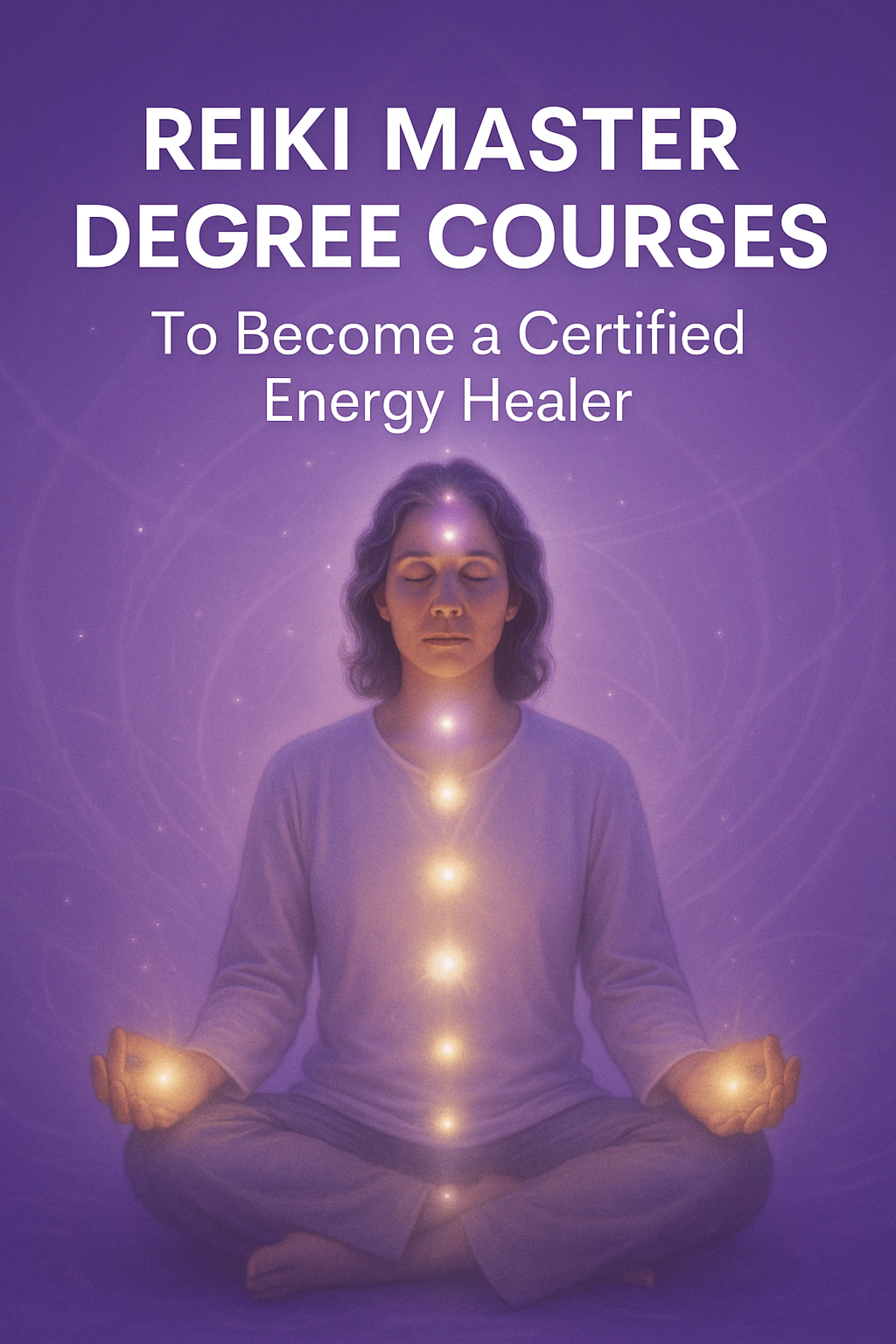
Understanding "Reiki Master Degree Courses"
The term Reiki Master Degree Courses is sometimes used to describe this level of training. It is important to clarify what this means. In this context, "degree" is not an academic title like a B.A. or an M.S. from a university.
Instead, the term Reiki Master Degree Courses is used by some to signify the highest level of completion within the traditional Reiki training system. It is the "third degree," following the first (Level I) and second (Level II) degrees. Completing this signifies that the individual has received all the necessary attunements, symbols, and knowledge to practice and teach the full system. It is a certificate of completion for a specialized, spiritual, and energetic field of study.
Is the Reiki Master Course Right for You?
The transition to Master is a significant step that requires reflection. This course is not something to be rushed. Most reputable teachers require a significant gap after Level II (often 6-12 months) to ensure the practitioner has had time to integrate the energy and gain practical experience.
This path may be calling to you if:
- You feel a strong inner nudge to share the gift of Reiki with others.
- You wish to deepen your personal healing journey to the furthest extent.
- You are ready to accept the responsibility of guiding students and holding a space for their growth.
- You are committed to living the Reiki Principles as a central part of your life.
Frequently Asked Questions (FAQs)
Q: How long does a Reiki Master Course take?
A: This varies immensely. Some intensive formats are offered over a long weekend, while others are structured as apprenticeships that span several months or even a year. The longer formats allow for deeper integration and mentorship.
Q: What are the prerequisites?
A: Certification in Reiki Level I and Reiki Level II is a firm prerequisite. Most reiki masters also require that a student has been practicing at Level II for a minimum period (e.g., 6 months) to ensure they are experienced and ready.
Q: Will I be able to start a business teaching Reiki immediately after?
A: Upon certification, you will have the technical ability and qualification to attune others. However, most experienced masters advise taking time to integrate the master energy and gain confidence before teaching. The journey of a master is one of continuous self-development.
Q: Is "Reiki Master" the end of the journey?
A: It is the end of the formal training but the beginning of the mastery journey. True mastery is a lifelong process of learning, healing, growing, and serving.
The Beginning of a New Chapter
Completing a Reiki Master Course is not a finish line; it is the opening of a new door. It represents a profound commitment to one's own healing and a willingness to be a clear channel for an energy that promotes peace and wellbeing.
The world needs skilled, compassionate, and dedicated reiki masters who can both facilitate deep healing and guide new generations of healers. It is a path of service, responsibility, and immeasurable personal growth.











Sign in to leave a comment.