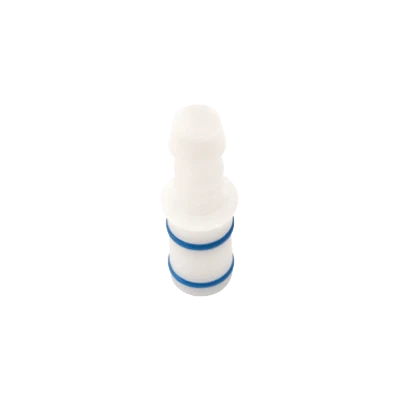

Tubing Adaptor and Silicone Tubing Connectors: A Complete Guide
When it comes to transferring fluids safely and efficiently, choosing the right tubing adaptor and silicone tubing connectors is essential. Whether you work in a medical facility, research lab, or industrial setting, these small components make a big difference in performance, reliability, and compliance.
In this guide, we’ll explore how tubing adaptors and silicone tubing connectors work, their applications, and what to look for when selecting them.
Why Choosing the Right Tubing Components Matters
Fluid transfer systems are only as strong as their weakest link. An ill-fitting connector or low-quality adaptor can lead to:
- Leaks and contamination that compromise product integrity
- Pressure loss impacting system performance
- Frequent replacements that increase operational costs
High-quality tubing adaptors and silicone tubing connectors solve these problems by ensuring tight, secure, and sterile connections that meet regulatory standards.
What is a Tubing Adaptor?
A tubing adaptor is a small but critical device that links two pieces of tubing or connects tubing to other equipment. It ensures:
- Compatibility between different tube sizes and materials
- Secure, leak-free sealing for sterile environments
- Quick, easy installation without special tools
Common Types of Tubing Adaptors
- Straight adaptors for direct line connections
- Elbow adaptors for tight spaces requiring angled flow
- T-shaped adaptors to split a single line into two
These variations make tubing adaptors extremely versatile in medical, laboratory, and industrial systems.
The Role of Silicone Tubing Connectors
Silicone tubing connectors are widely used in applications requiring flexibility, durability, and biocompatibility. Silicone’s non-reactive nature makes it ideal for:
- Medical devices like IV lines, peristaltic pumps, and surgical tools
- Laboratory applications including chemical transfer and sampling
- Food and beverage processing where purity is critical
Key Benefits of Silicone Tubing Connectors
- Temperature resistance from extreme heat to freezing cold
- High flexibility for use in tight or moving systems
- Chemical stability against many solvents and fluids
- Sterilization compatibility with autoclaves or gamma radiation
How to Select the Right Tubing Adaptor and Connectors
Choosing the best components requires understanding your system’s requirements. Keep these factors in mind:
1. Material Compatibility
Ensure your tubing adaptor matches the tubing material. For medical and food-grade systems, silicone and stainless steel are common choices.
2. Size and Fit
Measure the inner and outer diameters of your tubing carefully. Even small sizing errors can lead to loose fittings or excessive pressure.
3. Sterility Requirements
If you’re working in a sterile environment, select connectors that can be easily sterilized or come pre-sterilized.
4. Pressure and Flow Rates
Check that the tubing adaptor and silicone connectors can handle your required flow rates without deformation or leakage.
Applications of Tubing Adaptors and Silicone Connectors
Medical Industry:
- Infusion therapy
- Liposuction and fat transfer systems
- Dialysis machines
Laboratories:
- Fluid sampling
- Filtration systems
- Bioreactors
Industrial Settings:
- Chemical processing
- Food and beverage manufacturing
- Pharmaceutical production
By using the right components, professionals in every sector ensure efficiency, reduce downtime, and meet strict safety regulations.
Maintenance Tips for Maximum Performance
To extend the life of your tubing adaptors and silicone tubing connectors:
- Inspect regularly for cracks, discoloration, or loose fittings
- Clean according to manufacturer guidelines to prevent residue buildup
- Replace worn components promptly to maintain sterile conditions
- Keep spare parts on hand to avoid costly interruptions
Conclusion: Upgrade Your Fluid Transfer Systems
Whether you’re running a medical clinic, managing a research lab, or overseeing production, reliable tubing adaptors and silicone tubing connectors are essential. They provide secure, sterile connections that reduce risk, improve efficiency, and deliver consistent results.
Looking to upgrade your tubing components? Choose products designed for precision, durability, and compliance. Make the switch today and experience the difference that high-quality connectors can bring to your workflow.
Ready to enhance your system’s reliability? Contact trusted suppliers or visit leading medical device solution providers to explore premium tubing adaptors and silicone tubing connectors.













Sign in to leave a comment.