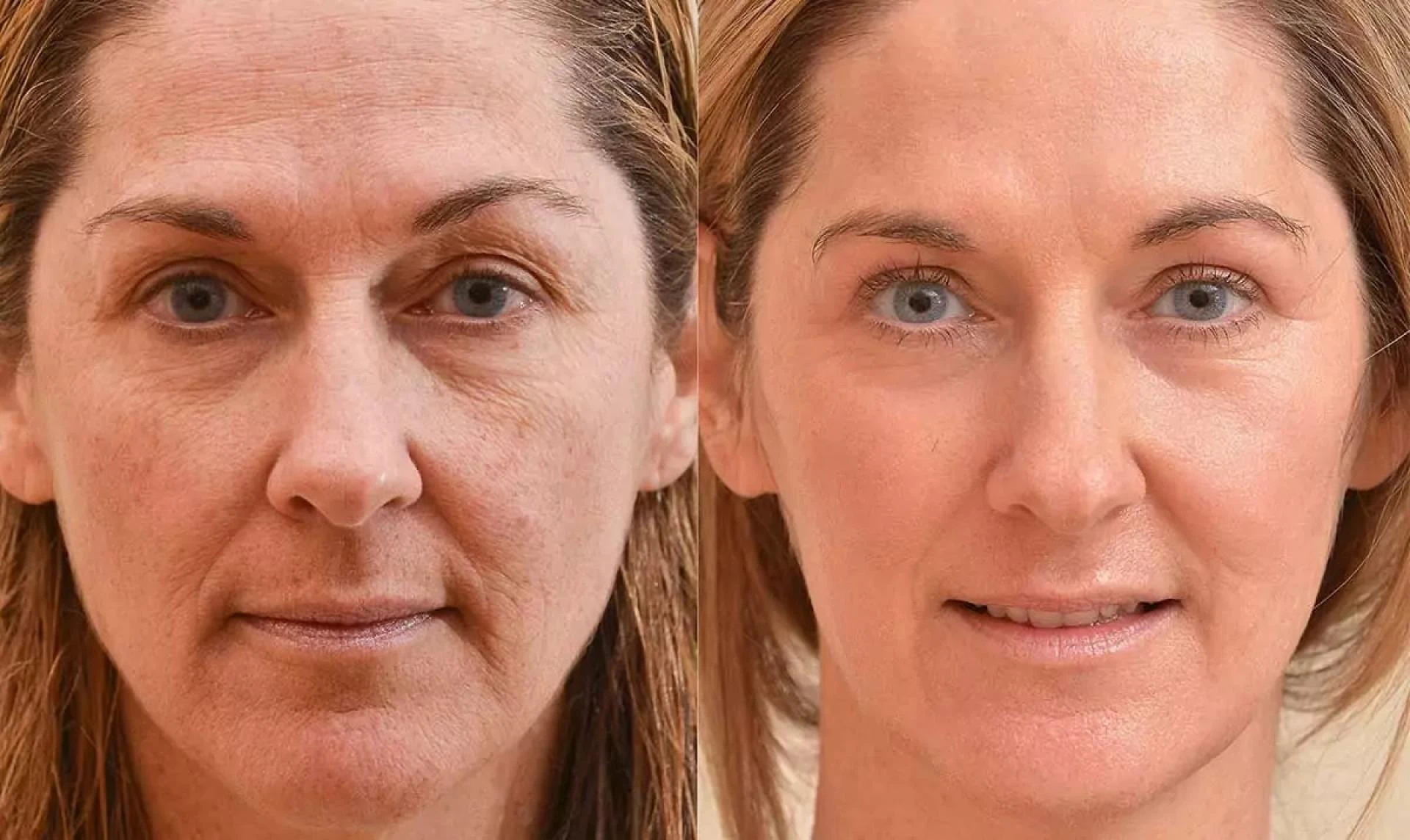
In the journey toward younger-looking, smoother skin, laser resurfacing stands out as one of the most effective treatments available. If you’ve been researching ways to rejuvenate your complexion, reduce signs of UV damage, wrinkles, uneven texture or scarring, this comprehensive guide on “laser resurfacing” will help you understand what it means, how it works, and why Atlantic Dermatology and Laser in Cape Town offers a leading solution.
What Is Laser Resurfacing?
Laser resurfacing is a cosmetic procedure in which high-energy light (laser) is used to remove or remodel layers of skin. This process stimulates new collagen formation, encourages fresh healthy skin to emerge, and helps smooth texture, reduce pigmentation, and diminish fine lines and wrinkles. According to the Atlantic Dermatology and Laser website:
“If aging, acne, or too much time in the sun has left your face with pigmentation, scars, wrinkles or lines, laser skin resurfacing may help your skin look younger and healthier.”
The practice uses advanced technologies such as the Sciton Joule laser and other laser-peel devices.
In short, laser resurfacing is more than a surface treatment: it goes deeper into the skin’s layers and helps remodel the underlying structure, not just patch over superficial issues.
Why Choose Laser Resurfacing at Atlantic Dermatology and Laser?
Here are compelling reasons why Atlantic Dermatology and Laser in Sea Point, Cape Town, is a standout choice:
- Their equipment: They explicitly state they “use the Rolls Royce of all Laser machines … the very first machine of its kind in Cape Town!”
- Expert team: Their specialist team continuously updates their training, attends international seminars and integrates new technologies.
- Tailored approach: At the consultation they assess the depth of treatment required, discuss how many sessions are needed and the healing time.
- Holistic care: The clinic emphasises combining laser resurfacing with other modalities and proper after-care, which is vital for optimum results and long-term skin health.
What Skin Concerns Can Laser Resurfacing Address?
Laser resurfacing is versatile and effective for a wide range of skin concerns, including:
- Fine lines and wrinkles around the eyes, mouth and cheeks — as collagen production declines with age, resurfacing helps reverse that.
- Sun damage and pigmentation such as freckles, sun spots or uneven tone caused by UV exposure.
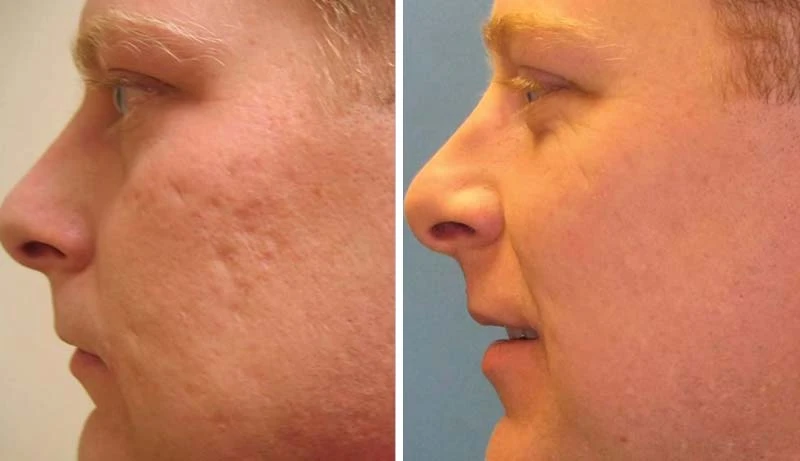
- Acne scarring or rough texture – by resurfacing the skin and stimulating repair, lasers can improve scar depth and texture irregularities.
- Tired, dull or uneven skin – even if you don’t have major damage, resurfacing can refresh and rejuvenate the skin’s appearance.
Given these benefits, laser resurfacing is often considered when over-the-counter skincare is no longer sufficient and more substantial results are desired.
How Does the Procedure Work?
Here’s a step-by-step look at what you might experience when you undergo laser resurfacing at Atlantic Dermatology and Laser:
1. Consultation & assessment
On your first visit the skin specialist will evaluate your skin condition: depth of wrinkles, degree of sun damage, scarring, skin type and overall health. From this they’ll recommend the appropriate laser settings, number of sessions, recovery time and expected results.
2. Preparation
Your skin will be cleaned and prepped. A numbing cream may be applied if deeper resurfacing is planned, to ensure comfort.
3. The laser treatment
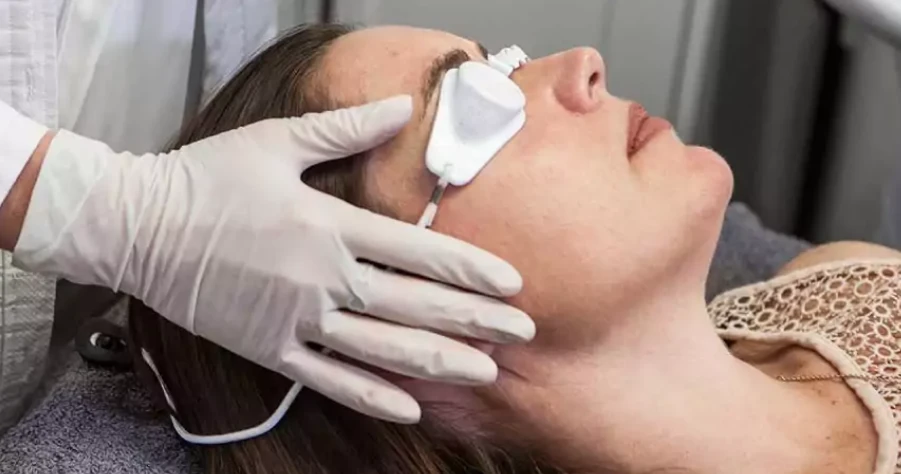
Depending on whether it’s a superficial peel (e.g., MicroLaserPeel) or deeper resurfacing, the laser will scan over the treatment area. The device removes a thin layer of skin or stimulates the underlying dermis. For instance, the clinic describes the MicroLaserPeel process:
“The skin will be cleaned … the physician will position the laser handpiece above the skin … the procedure usually lasts 15 to 30 minutes.”
4. Post-treatment care & recovery
Right after treatment your skin may look red, feel warm, and in some cases appear frosty or flaky. The clinic notes:
“Immediately after the treatment you will notice that the skin has a ‘frosty’ appearance … you may experience some skin redness and a sensation resembling sunburn.”
Recovery time depends on the depth of treatment: superficial peels may have minimal downtime, while deeper resurfacing may require rest for a few days. Avoiding direct sun exposure and following after-care instructions is crucial.
Recovery & What to Expect
Let’s talk about how recovery typically progresses and what results you can expect:
- Initial days (Day 1–3): Redness, warmth, maybe some swelling. Skin may feel tight or “sunburnt.”
- Days 3–7: Flaking or peeling begins (for more superficial treatments). You may notice texture improvements becoming visible.
- Weeks 2–4: New skin emerges. You should begin to see smoother texture, more even tone, reduced fine lines or pigmentation. Results continue to improve as collagen remodels.
- Long term (3-6 months): Full benefits often become apparent. Deeper restructuring (in the dermis) takes time, so while you’ll see early improvements quickly, maximum results may appear over months.
After-care is key: sun protection, gentle skincare, avoiding picking or exfoliating aggressively too soon, and following the clinic’s protocols will ensure the best outcome.
How Many Sessions Do You Need?
It depends heavily on your skin goals, the severity of the damage and the type of laser treatment used. Atlantic Dermatology and Laser emphasise that the number of treatments “varies from patient to patient.”
For a superficial peel, one session may give noticeable improvement. For deeper resurfacing (wrinkles, scarring), multiple sessions spaced weeks apart may be recommended. The specialist will set a customised plan based on your skin and objectives.
Laser Resurfacing vs Other Skin Treatments
Understanding how laser resurfacing compares with other treatments helps you make an informed decision:
- Chemical peels remove layers of skin using acids; lasers remove or remodel using light energy. Lasers can often target deeper layers and give more controlled results.
- Microneedling uses fine needles to stimulate collagen from within; good for texture and scars, but may not match the precision or depth of a laser in certain cases.
- Intense Pulsed Light (IPL) / BBL treats pigmentation and redness effectively but may not remodel skin structure as deeply as a true resurfacing laser.
- Surgical facelift is more invasive and targets deeper structural changes; laser resurfacing is non-surgical and focuses on improving skin quality and surface/top layers (though some deeper remodel lasers exist).
In many cases, laser resurfacing at Atlantic Dermatology and Laser is integrated into a broader rejuvenation plan, combining modalities for optimal results.
Is Laser Resurfacing Right for You?
While laser resurfacing offers transformative results, suitability depends on a few factors:
Good candidates typically:
- Have concerns such as sun damage, uneven tone, texture issues, mild to moderate wrinkles or scars.
- Have realistic expectations — while improvement is significant, perfect perfection is rarely realistic.
- Are willing to follow after-care instructions and protect their skin post-treatment.
- Have no untreated skin infections or certain medical conditions that contraindicate lasers.
Not ideal for someone who:
- Is expecting instant perfect results and unwilling to wait for healing and remodel time.
- Has an active skin condition (e.g., uncontrolled acne) without treating it first.
- Cannot commit to sun protection or is exposed to heavy sun without safeguarding skin.
During your consultation at Atlantic Dermatology and Laser, the specialist will discuss your skin type, concerns, and whether laser resurfacing is the best approach or whether a gentler alternative is more appropriate.
Tips for Preparing and After Care
Before treatment:
- Avoid excessive sun exposure or tanning in the weeks leading up to treatment.
- Cease any harsh exfoliating products (as advised) before the appointment.
- Discuss your skincare routine, medications, and any prior treatments with the specialist.
After treatment:
- Use the gentle skincare products recommended by the clinic.
- Apply broad-spectrum SPF daily — your treated skin will be more sensitive to UV.
- Avoid picking, scratching or using abrasive exfoliants too soon.
- Stay hydrated, get adequate sleep, and maintain a healthy lifestyle to support skin healing.
- Attend any follow-up sessions and adhere to maintenance plans advised by the clinic.
Final Thoughts: Your Path to Renewed Skin
If you are ready to move beyond the limitations of basic skincare and want a serious improvement in texture, tone, clarity and youthfulness — laser resurfacing at Atlantic Dermatology and Laser in Cape Town offers a world-class solution.
With their advanced laser equipment, expert team, and personalised care, you’re not just investing in a treatment — you’re investing in your skin’s future. Whether you’re dealing with years of sun damage, uneven tone, fine lines, or texture issues, this treatment can mark a real turning point.
Take the first step: schedule a consultation with Atlantic Dermatology and Laser, discuss your goals, understand what is possible for your skin, and map out a plan. With the right preparation and after-care, you could enjoy smoother, clearer, younger-looking skin — and a boost in confidence that shows.












Sign in to leave a comment.