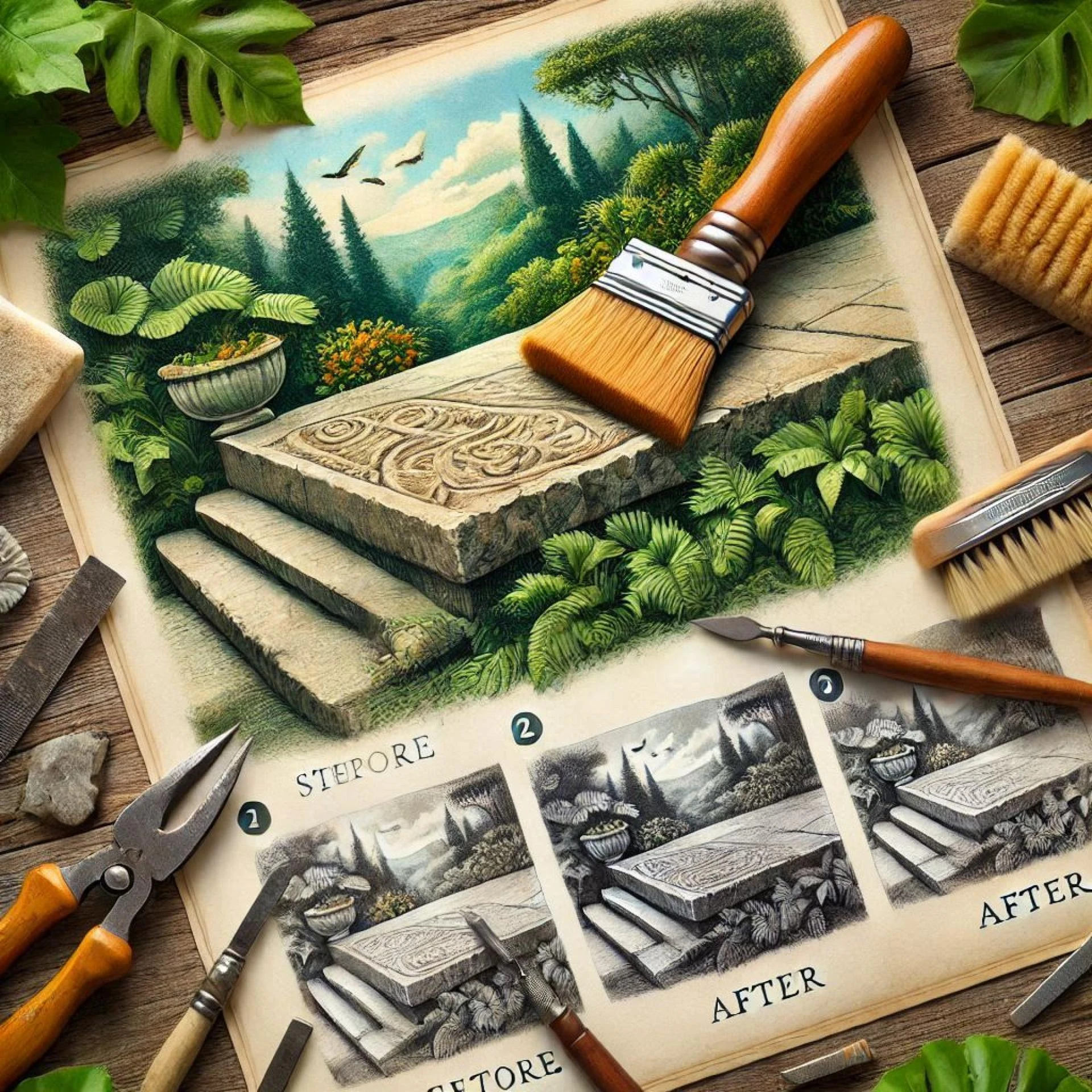

Travertine flooring, renowned for its natural beauty and durability, graces many homes and establishments across London. Over time, however, these stone surfaces can exhibit signs of wear, including dullness, scratches, and stains. Understanding the restoration process is essential to maintain the elegance and longevity of travertine floors.
Common Issues with Travertine Floors
Travertine, a type of limestone, is characterized by its porous nature, making it susceptible to certain issues:
· Surface Etching: Contact with acidic substances can lead to dull spots on the surface.
· Staining: The stone's porosity allows liquids to penetrate, causing stains.
· Scratches and Chips: Regular foot traffic and movement of furniture can result in surface damage.
· Pitting: Natural voids or holes may appear or enlarge over time, trapping dirt and debris.
The Restoration Process
Restoring travertine floors involves several meticulous steps to ensure they regain their original luster:
· Assessment: A thorough inspection identifies the extent of damage, including scratches, stains, and structural issues.
· Cleaning: Deep cleaning removes embedded dirt, grime, and any existing sealants, preparing the surface for restoration.
· Repairs: Cracks, chips, and pits are filled with color-matched compounds to ensure a seamless appearance.
· Grinding and Honing: Using diamond abrasive pads, the surface is ground to eliminate imperfections and then honed to achieve the desired finish, whether matte or glossy.
· Polishing: Further polishing enhances the stone's natural sheen, bringing out its inherent beauty.
· Sealing: Applying a high-quality sealant protects the stone from future staining and facilitates easier maintenance.
Benefits of Professional Restoration
Engaging professionals for travertine floor restoration offers several advantages:
· Expertise: Skilled technicians possess the knowledge to handle various issues specific to travertine.
· Specialized Equipment: Professional-grade tools and products ensure a high-quality finish.
· Time Efficiency: Experienced teams can complete the restoration promptly, minimizing disruption.
Maintaining Restored Travertine Floors
Post-restoration, proper maintenance is crucial to preserve the floor's appearance:
· Regular Cleaning: Use pH-neutral cleaners to prevent damage to the sealant and stone.
· Prompt Spill Management: Wipe up spills immediately to avoid staining.
· Protective Measures: Place mats at entryways and use furniture pads to reduce wear and scratches.
Travertine floors add a timeless elegance to any space. Regular maintenance and professional restoration are key to preserving their beauty and functionality. For London residents, numerous specialists offer tailored services to address the unique challenges of travertine flooring, ensuring these natural stone surfaces remain a stunning feature for years to come.














Sign in to leave a comment.