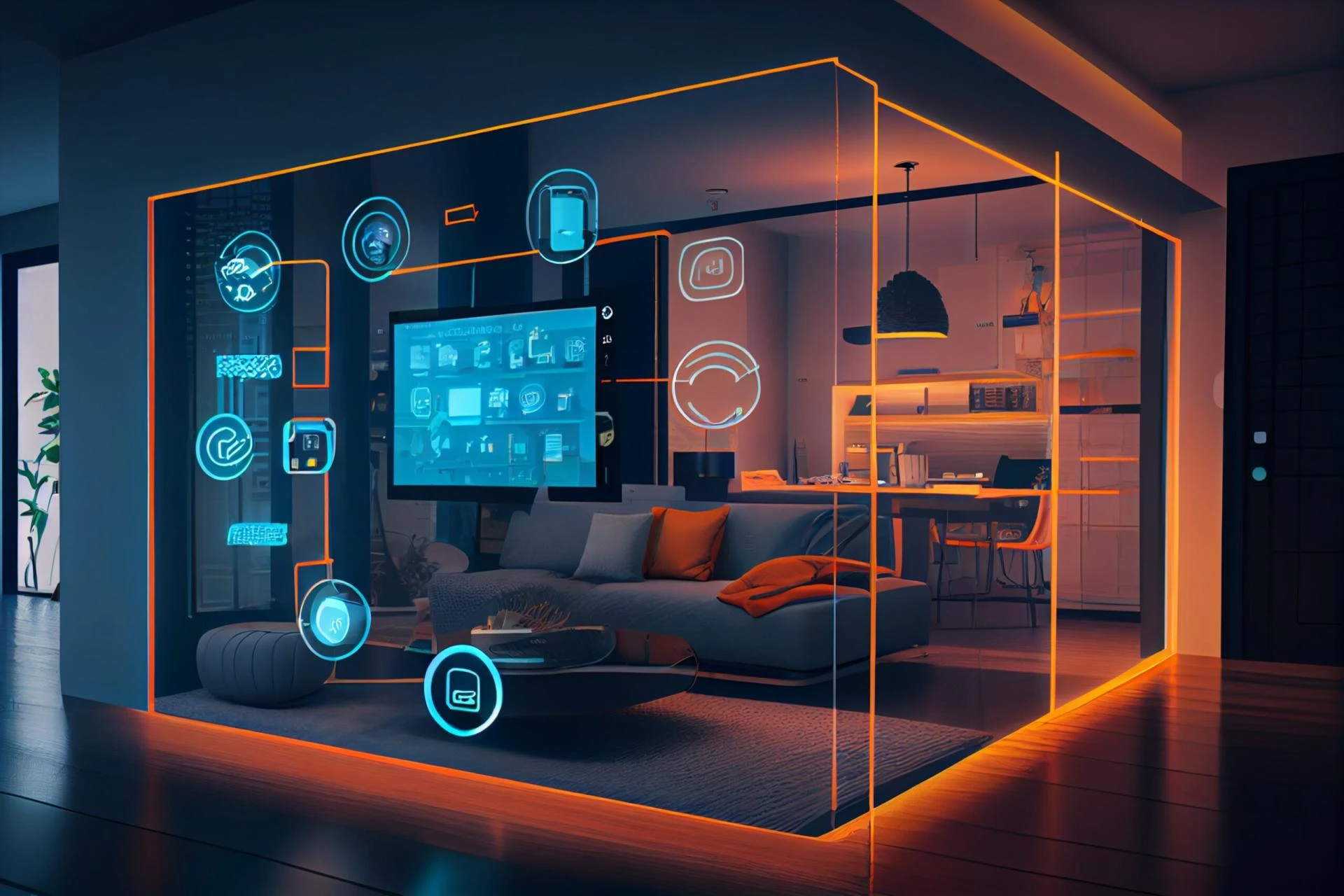

Artificial Intelligence (AI) has become a transformative force across various industries, and interior design is no exception. By integrating AI into the creative process, designers and homeowners alike can now envision, plan, and execute stunning interiors with unprecedented ease and precision. Here's how AI interior design is revolutionizing the world of interior design.
AI-Powered Design Tools: Bringing Ideas to Life
One of the most significant advancements in interior design is the development of AI-powered design tools. These tools allow users to create virtual renderings of spaces, experiment with different layouts, and visualize how various design elements will look together. Whether you're a professional designer or a DIY enthusiast, AI tools like RoomGPT, Modsy, and Planner 5D make it easier than ever to bring your ideas to life.
Personalized Design Solutions: Tailoring Spaces to Individual Tastes
AI's ability to analyze vast amounts of data enables it to understand and predict individual preferences. By learning from users' past choices and browsing behavior, AI can offer personalized design recommendations that align with their tastes and lifestyle. This level of customization ensures that each space is uniquely tailored to the individual, enhancing both functionality and aesthetic appeal.
Efficient Space Planning: Maximizing Every Inch
Space planning is a critical aspect of interior design, especially in smaller homes and apartments where every square foot counts. AI can optimize space usage by suggesting the best furniture placement, storage solutions, and layout configurations. These recommendations are based on the room's dimensions, natural lighting, and the specific needs of the occupants, ensuring a harmonious and efficient design.
Sustainable Design Choices: Promoting Eco-Friendly Living
As sustainability becomes a growing concern, AI is playing a pivotal role in promoting eco-friendly interior design. AI tools can suggest sustainable materials, energy-efficient lighting options, and furniture made from recycled or renewable resources. By incorporating these elements into the design process, AI helps reduce the environmental impact of home renovations and builds.
Cost and Time Efficiency: Streamlining the Design Process
AI's ability to automate repetitive tasks and provide instant feedback significantly reduces the time and cost associated with interior design projects. From generating multiple design concepts to sourcing furniture and materials, AI streamlines the entire process, allowing designers to focus on the creative aspects. For homeowners, this means faster project completion and better budget management.
Virtual Reality Integration: Experiencing Designs Before Implementation
The integration of AI with Virtual Reality (VR) has taken interior design to a new level. With VR headsets, users can walk through a 3D model of their space before any physical changes are made. This immersive experience allows for better decision-making, as clients can see and feel how different design elements will come together in real-time.
Future Trends: AI's Expanding Role in Interior Design
The future of AI in interior design looks promising, with ongoing advancements in machine learning, computer vision, and data analytics. As AI continues to evolve, we can expect even more sophisticated tools that offer deeper insights, enhanced creativity, and a greater focus on sustainable and inclusive design.
In conclusion, AI is not just a tool but a partner in the interior design process, helping to create spaces that are beautiful, functional, and reflective of the people who inhabit them. As technology continues to advance, the possibilities for AI-driven design are virtually limitless.










Sign in to leave a comment.