
As the world becomes increasingly urbanized and industrialized, the burden on our water resources continues to grow. Efficient wastewater treatment is no longer a luxury but a necessity—essential for protecting public health, ecosystems, and ensuring sustainable water reuse. Among the most effective technologies leading this transformation is the Moving Bed Biofilm Reactor (MBBR) system.
MBBR systems provide advanced biological treatment that is compact yet highly efficient. Central to this system’s success is the specialized media that supports microbial growth. However, not all media are created equal. The design, durability, and efficiency of the media are directly tied to its manufacturer’s expertise. In this article, we explore the science behind MBBR systems, the role of biofilm media, and what to look for when selecting the right technology partner.
What Is MBBR Technology?
The MBBR (Moving Bed Biofilm Reactor) is a biological treatment method using suspended carriers as habitats for microorganisms. These microorganisms break down organic contaminants in the wastewater, resulting in cleaner effluent suitable for discharge or reuse.
Key Benefits of MBBR Systems:
- Compact Footprint: Requires significantly less space compared to traditional methods
- High Treatment Efficiency: Handles high BOD and COD loads effectively
- Scalable Design: Easily expanded by adding more media
- Low Maintenance: No sludge recirculation required
- Energy Efficient: Optimized for aeration and mixing
The Role of Biofilm Media in MBBR
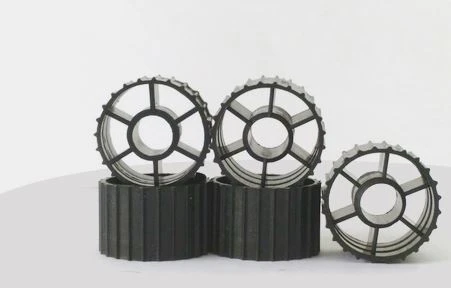
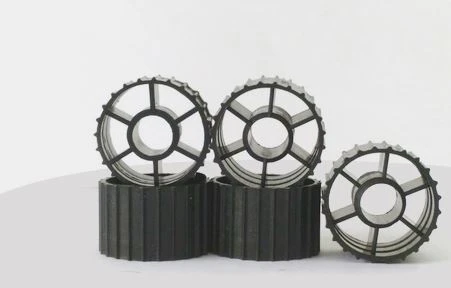
The performance of an MBBR system largely depends on the quality and design of its media. These are typically small, engineered plastic carriers with a high surface area to volume ratio. Microorganisms attach themselves to these surfaces and form a biofilm, which performs the actual treatment.
Features of High-Quality MBBR Media:
- Large Effective Surface Area: More area for biofilm growth
- Durability: Resistant to chemical and physical wear
- Low Specific Gravity: Easy suspension in aeration tanks
- Optimal Geometry: Promotes even biofilm development
- Non-Clogging Design: Minimizes system downtime
How to Choose the Right MBBR Media Partner
When investing in a biological treatment system, your choice of mbbr media manufacturer is critical. A reliable manufacturer doesn’t just produce plastic pieces—they engineer precision-designed carriers backed by testing, research, and real-world application success.
Qualities to Look for in a Manufacturer:
- ✅ Proven Experience: Years of field-tested technology
- ✅ Custom Solutions: Media tailored to different effluent types
- ✅ Material Quality: Virgin polymers featuring UV stability and chemical resistance.
- ✅ Certifications: ISO, CE, or other quality standards
- ✅ Global Support: Ability to deliver and support projects worldwide
By partnering with the right supplier, treatment plant operators can improve performance, reduce operating costs, and extend the life of their systems.
MBBR Applications Across Industries
MBBR systems are highly adaptable and can be found in a variety of wastewater treatment scenarios:
🏭 Industrial Wastewater
- Textiles
- Pharmaceuticals
- Petrochemicals
- Food and Beverage Processing
🏙️ Municipal Wastewater
- Sewage treatment plants
- Decentralized treatment systems
- Urban and peri-urban sanitation projects
🌿 Decentralized Treatment Units
- Remote construction sites
- Resorts and eco-retreats
- Rural communities
In each of these applications, choosing the right media can significantly impact the biological load management, maintenance cycle, and treatment efficiency.
Optimizing Performance with Fine Bubble Aeration
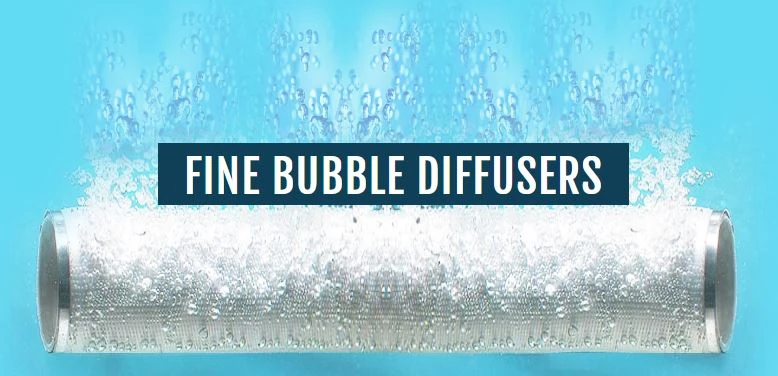
While the MBBR media plays a vital biological role, efficient aeration ensures that the system receives sufficient oxygen for microbial metabolism. One of the most effective ways to deliver oxygen in such systems is through fine bubble diffusers, which offer superior oxygen transfer rates and energy savings.
Working with a reputable fine bubble diffuser manufacturer ensures that your aeration system is not only energy-efficient but also compatible with MBBR carriers. Fine bubbles also promote better mixing, prevent dead zones, and ensure uniform biofilm activity throughout the reactor tank.
Maintenance and Monitoring Best Practices
To keep MBBR systems running at peak efficiency, regular monitoring and preventive maintenance are key. Here are some recommended practices:
- 🔍 Monitor DO Levels: Maintain optimal dissolved oxygen for aerobic microbes
- 🧪 Test Effluent Quality: Consistently monitor BOD, COD, and TSS levels.
- 🔄 Inspect Media Movement: Ensure that carriers are not settling or clogging
- 🧼 Clean Aeration Equipment: Prevent diffuser fouling and pressure drops
- 📊 Use SCADA Systems: Automate control for enhanced performance tracking
Proactive management enhances treatment results and prolongs the life of both media and aeration systems.
Sustainability and Environmental Impact
MBBR systems represent a greener approach to wastewater management. Their compact size and energy efficiency reduce environmental impact while enabling treatment in areas where conventional systems aren’t feasible. Additionally, MBBR media made from recyclable polymers supports circular economy initiatives.
Leading manufacturers now also offer biodegradable or reusable carriers as part of their commitment to eco-conscious engineering. Selecting such solutions can enhance your project's environmental credentials—vital for government contracts and CSR mandates.
Final Thoughts: Choosing Technology That Grows With You
As urban growth and environmental regulations increase the demand for efficient water treatment solutions, technologies like MBBR are proving indispensable. But to truly leverage the power of this system, choosing the right components—especially your MBBR media and aeration systems—is vital.
By working with an experienced mbbr media manufacturer, businesses and municipalities can ensure long-term treatment efficiency, reduced operational challenges, and compliance with environmental norms.
The future of wastewater treatment lies in smart design, efficient components, and sustainable engineering. Make sure your technology partners share that vision.










Sign in to leave a comment.