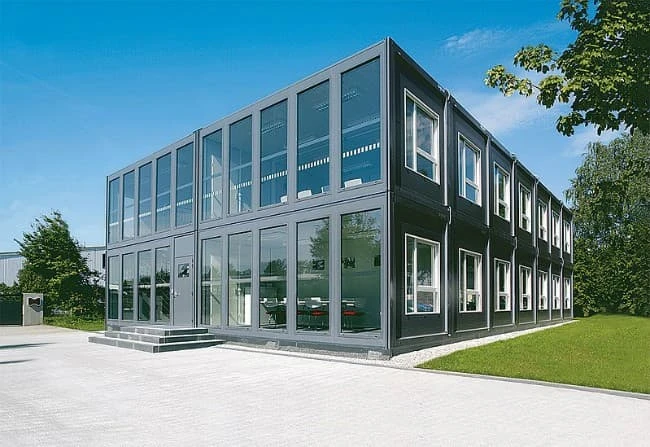

The landscape of commercial real estate is undergoing a profound transformation, largely driven by the increasing popularity of the modular office building concept. This innovative approach to construction is not just reshaping how companies view their workspaces, but also redefining the very nature of office design. In this article, we will explore the numerous benefits of modular office buildings, how they enhance operational efficiency, and the future they promise for workplaces worldwide.
Defining Modular Office Buildings
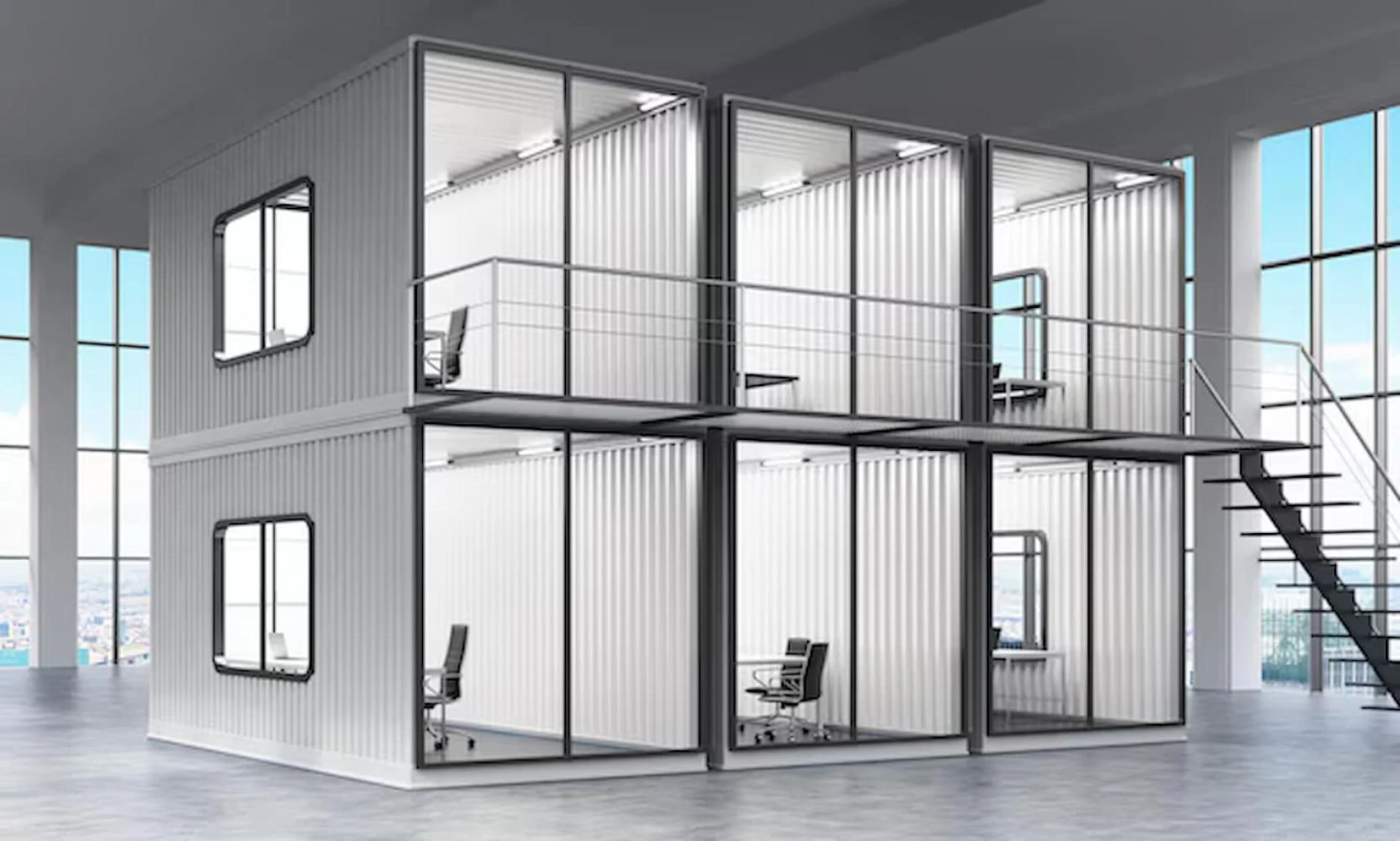
A modular office building comprises pre-constructed sections, or modules, that are assembled on-site to create functional workspaces. These units are designed with flexibility and adaptability in mind, allowing organizations to customize their layouts according to specific requirements. Unlike traditional office structures, which often involve lengthy construction timelines and significant disruption, modular buildings offer a streamlined approach that can significantly expedite the establishment of work environments.
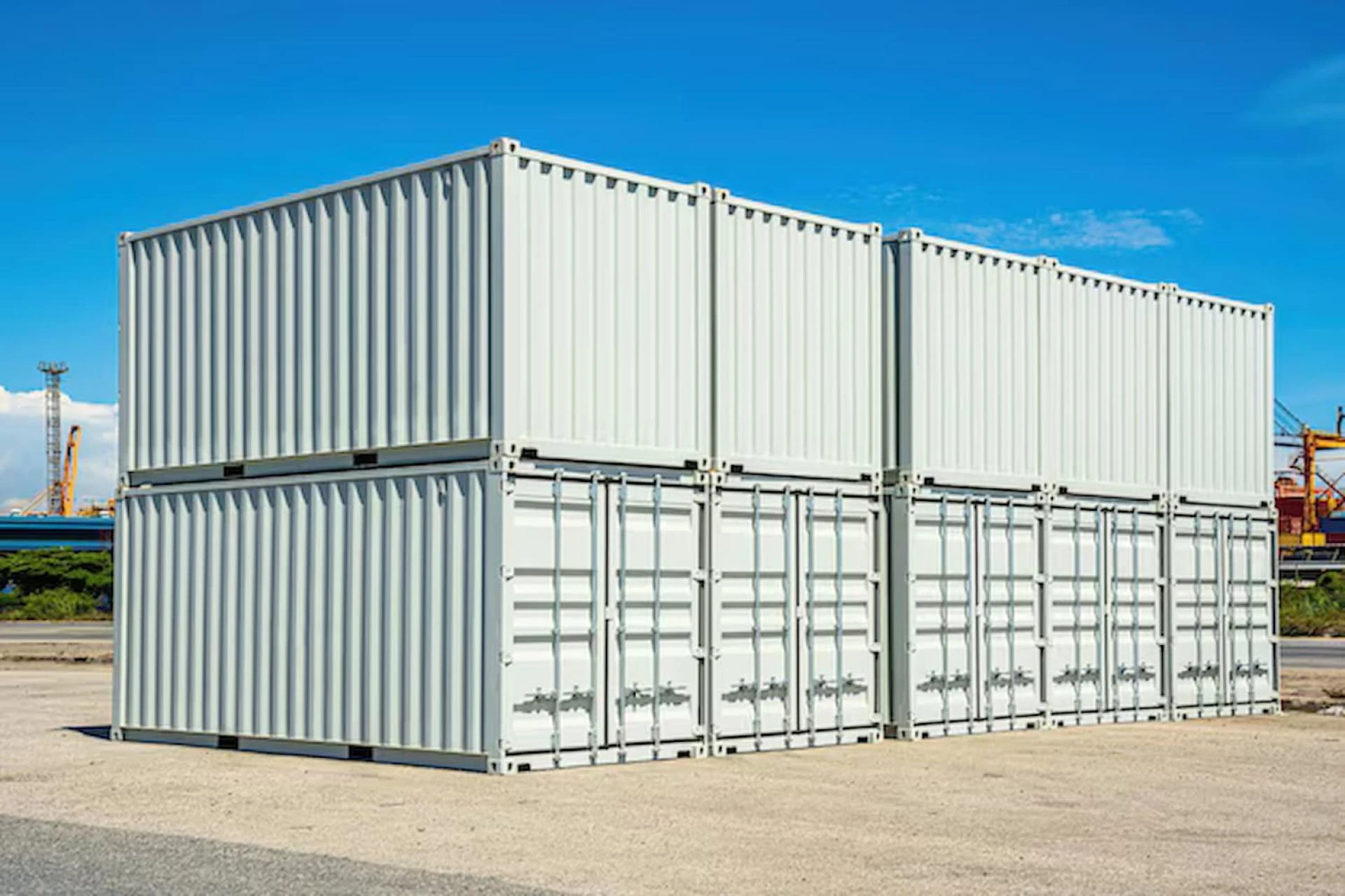
Each module is built in a controlled factory setting, where quality assurance measures can be closely monitored. This leads to a higher standard of construction and reduces the risks associated with weather-related delays or site-specific challenges. Once the modules are fabricated, they are transported to the site and assembled efficiently, leading to quicker project completion.
The Flexibility of Modular Office Buildings
One of the standout features of modular office buildings is their inherent flexibility. For businesses that experience fluctuating needs or rapid growth, these structures can be reconfigured or expanded with relative ease. As organizations evolve, they often require different layouts, additional space, or even new functionalities. Modular office buildings can accommodate these changes without the extensive downtime typically associated with traditional construction.
For instance, a tech startup may find itself expanding its workforce unexpectedly. Instead of investing time and resources into renovating an existing space, the company can simply add more modules to its office. This adaptability not only minimizes operational disruption but also allows companies to respond swiftly to market demands.
Sustainability and Environmental Considerations
In an era where environmental sustainability is a priority for many organizations, modular office buildings present a compelling solution. The construction process for these structures tends to generate less waste compared to conventional building methods. By manufacturing components in a controlled environment, companies can optimize material usage and minimize excess, which aligns with eco-friendly practices.
Moreover, modular office buildings can incorporate sustainable technologies and materials, such as energy-efficient windows, insulation, and renewable energy systems. Such innovations not only reduce the ecological footprint of the building but also contribute to long-term cost savings through decreased utility expenses. As businesses increasingly prioritize sustainable practices, the appeal of modular office buildings continues to grow.
Boosting Employee Productivity and Well-Being
The design of a workspace plays a crucial role in employee satisfaction and productivity. Modular office buildings are crafted to foster environments that are conducive to both collaboration and individual work. The flexibility inherent in modular design allows for the creation of open spaces, private offices, and collaborative zones, catering to various work styles and preferences.
Research has consistently shown that well-designed workspaces can significantly enhance employee morale and output. By integrating elements such as natural light, ergonomic furniture, and spaces for relaxation, modular office buildings can greatly contribute to the well-being of employees. In this way, companies not only invest in physical structures but also in the overall health and happiness of their workforce.
Cost-Effectiveness and Time Efficiency
While this article avoids discussing specific financial figures, the cost benefits of modular office buildings cannot be overlooked. The efficient construction process often leads to reduced labor costs and minimized material waste, making modular solutions an economically attractive option for businesses. Additionally, the faster assembly times mean that companies can occupy their new spaces sooner, allowing for quicker returns on investment.
In emergency situations, modular buildings can be deployed rapidly to provide essential services, such as temporary offices or disaster recovery centers. This capability underscores the importance of modular structures in ensuring business continuity and resilience in the face of unforeseen challenges.
Challenges and Misunderstandings
Despite the myriad benefits, there are still misconceptions surrounding modular office buildings. Some may perceive these structures as lacking permanence or aesthetic appeal. However, modern modular buildings can be designed to be visually striking and highly functional, rivaling traditional constructions in both style and durability.
Furthermore, integrating modular office buildings within existing infrastructures may pose some logistical challenges. Businesses must carefully consider how these units will fit into their current layouts and ensure compliance with local regulations. Collaborating with experienced modular construction firms can help alleviate these concerns and streamline the implementation process.
The Future of Modular Office Buildings
As we look ahead, it is clear that modular office buildings are set to play a pivotal role in the future of work. With ongoing trends toward remote work, flexible schedules, and an emphasis on employee well-being, the demand for adaptable and efficient office spaces continues to rise. Modular buildings perfectly align with these evolving needs, offering solutions that can easily adjust to the changing landscape of work.
Technological advancements are also anticipated to further enhance the modular construction process. Innovations in materials, design software, and manufacturing techniques will enable architects and builders to create even more sophisticated and efficient office environments. As these developments unfold, the perception of modular office buildings will likely evolve from an alternative solution to a standard choice for modern workplaces.
Conclusion
In conclusion, modular office buildings represent a groundbreaking approach to workspace design, emphasizing flexibility, sustainability, and employee well-being. As businesses navigate the complexities of an ever-changing environment, these structures provide practical solutions that can adapt to their needs. Companies like Halletts Spaces are at the forefront of this movement, helping organizations embrace the future of work with innovative modular solutions. As the demand for adaptable and efficient workspaces continues to grow, modular office buildings will undoubtedly play an essential role in shaping the workplaces of tomorrow.











Sign in to leave a comment.