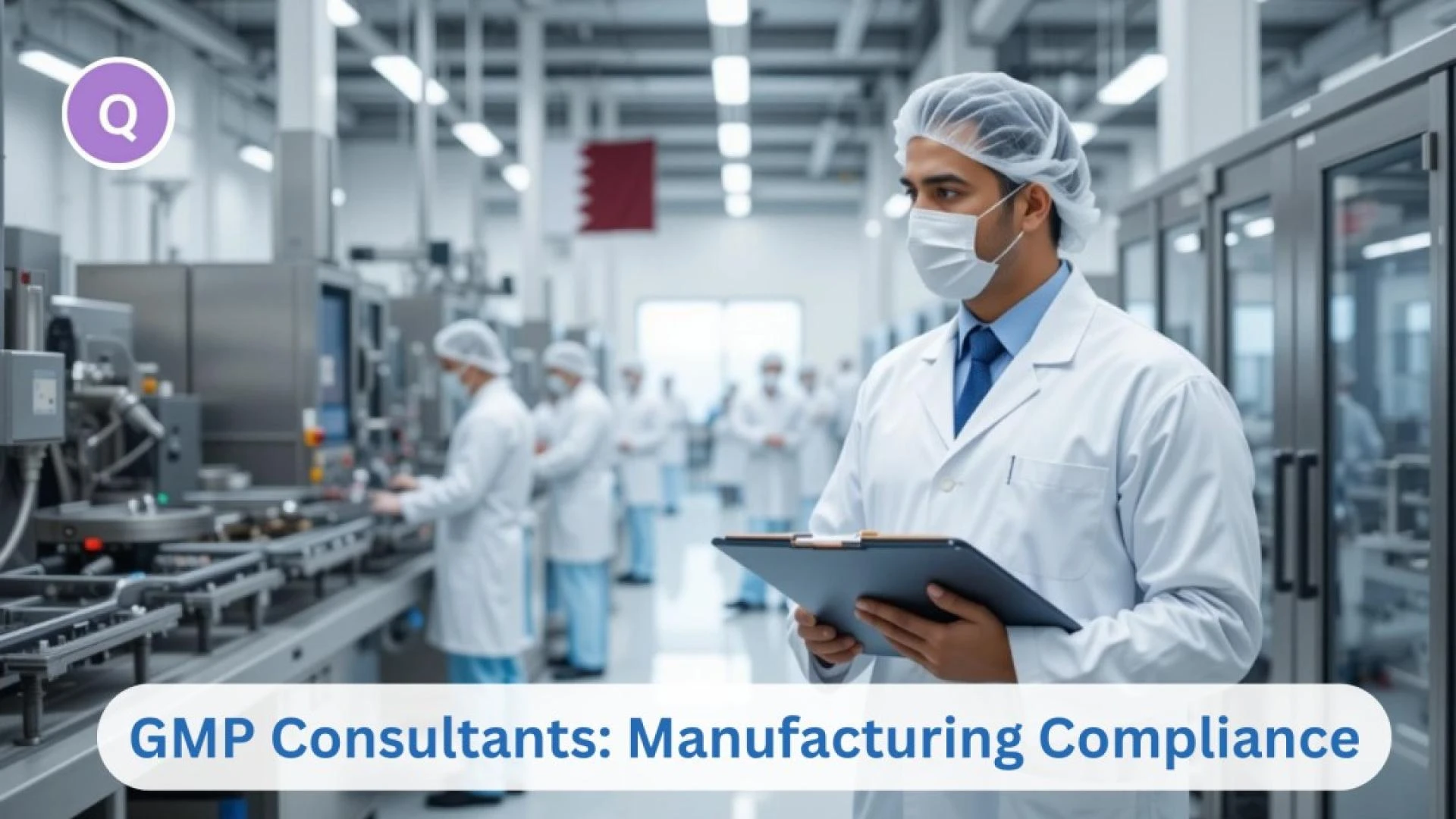

As Qatar's manufacturing sector continues to expand across industries like pharmaceuticals, food production, nutraceuticals, and cosmetics, compliance with Good Manufacturing Practices (GMP) has become essential—not optional. Ensuring product safety, process consistency, and regulatory compliance is critical for maintaining competitiveness both locally and internationally.
For many companies, achieving and maintaining GMP standards is best managed with the help of specialized GMP consultants in Qatar. These professionals bring technical expertise and industry knowledge to help organizations meet the requirements of the Qatar Ministry of Public Health (MoPH) and align with global GMP frameworks such as WHO GMP, EU GMP, and ISO 22716.
Why GMP Compliance Matters in Qatar
GMP refers to a set of quality assurance practices that ensure products are consistently manufactured and controlled in accordance with defined quality standards. These practices are designed to minimize production-related risks that testing alone cannot eliminate.
In Qatar, government authorities such as the Ministry of Public Health (MoPH) and Qatar’s pharmaceutical licensing departments have tightened inspection protocols, making GMP compliance a legal and commercial necessity. Whether exporting pharmaceuticals or supplying food to local markets, GMP certification supports both licensing approval and brand credibility.
How GMP Consultants Help Achieve Compliance
GMP consultants in Qatar act as a vital link between complex regulatory expectations and daily manufacturing operations. Their comprehensive role spans multiple phases of GMP implementation:
1. Gap Assessment and Risk Analysis
Consultants begin with a detailed GMP gap analysis, comparing current operations against international and local GMP standards. This includes assessments of hygiene protocols, process validation, record-keeping, and quality control systems.
2. Tailored GMP Implementation Plans
Every facility has unique requirements. GMP consultants design and implement customized GMP compliance programs, including layout improvements, equipment qualification, and environmental monitoring strategies.
3. Employee Training and Competency Building
Human error remains a major source of GMP non-compliance. Consultants deliver GMP training programs to raise awareness among staff and management, ensuring a culture of quality and accountability.
4. Documentation and SOP Development
Effective documentation is the backbone of GMP. Consultants assist in the development of Standard Operating Procedures (SOPs), batch records, deviation reports, and cleaning logs, ensuring audit-readiness and traceability.
5. Audit Preparation and Regulatory Liaison
GMP consultants help businesses prepare for inspections by local and international regulators. They simulate audits, correct deficiencies, and—when necessary—act as liaisons with certifying bodies such as WHO, MoPH, or GCC Standardization Organization (GSO).
Industries That Benefit from GMP Consultancy in Qatar
- Pharmaceutical Manufacturing
- Food and Beverage Processing
- Nutraceuticals and Dietary Supplements
- Cosmetics and Personal Care Products
- Medical Devices and Packaging Solutions
Whether you're managing a cleanroom in Doha, overseeing a packaging facility in Ras Laffan, or running a food production site in Dukhan, GMP consultancy services in Qatar deliver industry-specific guidance to ensure full compliance.
Final Thoughts
GMP compliance in Qatar is more than a regulatory checkbox—it is a strategic investment in product quality, consumer safety, and long-term success. In a competitive and regulated marketplace, partnering with experienced GMP consultants helps companies reduce risks, meet legal obligations, and strengthen their market position.
By implementing international GMP standards and aligning with Qatar’s regulatory expectations, manufacturers build a strong foundation for sustainable growth, trusted branding, and global competitiveness.











Sign in to leave a comment.