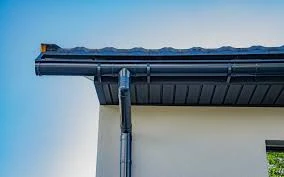

When it comes to roofing, most homeowners focus on durability and cost. However, the color of your roof plays a crucial role that goes beyond its appearance. The shade you choose affects not only your home's curb appeal, but also its energy efficiency, indoor comfort, and long-term costs. Here's why roof color matters and how to choose the right color for your home.
Aesthetic Appeal
Your roof covers a significant portion of your home's exterior, making its color a key factor in determining the overall look of your property.
· A well-chosen roof color can: Enhance the architectural style of your home: Dark colors like charcoal gray and black create a sleek, modern look, while lighter shades like beige and pale gray complement the traditional style of homes or cottages.
· Complement your siding and landscaping: The right roof color matches the colors of your walls, Windows, and surrounding greenery, creating a cohesive visual appeal.
· Increase curb appeal and resale value: A visually appealing roof can attract potential buyers and increase the market value of your home.
Energy efficiency
Roof color greatly influences the amount of heat your home absorbs from the sun. This, in turn, affects energy consumption for heating and cooling. Here's how:
· Light-colored roofs: Shades like white, light gray, and light brown reflect sunlight, thus reducing heat absorption. They are ideal for warmer climates where keeping your home cool is a priority.
· Dark-colored roofs: Colors like black, dark gray, and dark brown absorb more heat, making them suitable for colder regions where heat retention is beneficial.
By choosing a roof color that suits your climate, you can reduce your reliance on air conditioning or heating, reducing your energy bills and your carbon footprint.
Climate considerations
Your local weather plays a vital role in choosing the ideal roof color. For example:
· Warm climates: Choose light-colored reflective roofs to minimize heat gain and maintain comfortable indoor temperatures.
· Cold climates: Darker roofs can help melt snow faster and retain heat inside, which helps reduce heating costs.
· Moderate climates: Neutral shades like medium gray offer a balance between heat absorption and reflection, making them versatile for variable weather conditions.
Material Compatibility
Not all roofing materials are available in all colors. Asphalt shingles, metal roofs, clay tiles, and slate each have their own distinct color palette. When choosing a roof color, consider:
· The natural colors of the material (for example, terracotta tiles often come in earthy tones).
· Durability and maintenance of colored clothing (for example, , metal roofs with reflective finishes).How the structure of a material interacts with its color to enhance it the aesthetics of your home.
· Lifespan and fading: Over time, exposure to the sun and weather conditions can cause roof colors to fade.
To maintain the appearance of your roof:
· Invest in high-quality, UV-resistant materials.
· Choose neutral or earth tones that age gracefully.
· Schedule regular maintenance to clean and protect your roof from debris and algae growth.
Environmental impact
Roof color is also linked to environmental sustainability. Light-reflecting roofs (cool roofs) can help mitigate urban heat islands by reducing ambient temperatures in densely populated areas. They also reduce energy demand for cooling, contributing to a greener planet.
How to choose the right roof color?
To make the best decision for your home:
· Assess your climate: Determine whether you need a heat-reflecting or heat-absorbing roof based on the climate in your area. Make sure your roof color matches your home’s exterior walls, woodwork, and surroundings.
· Consider material options: Choose a roofing material that offers the colors you prefer and fits your budget.
· Think long-term: Choose durable, fade-resistant colors that will maintain their appeal over time.
· Consult the pros: Roofing experts can provide information on color trends, energy efficiency, and material compatibility.
Conclusion
Your roof color is much more than just a design choice; it’s a decision that affects the aesthetics, energy efficiency, and environmental impact of your home. By considering factors like climate, materials, and maintenance, you can choose a roof color that will enhance the beauty of your home while saving you money and energy. Make an informed choice and enjoy the benefits of a roof that is both functional and aesthetic. For further details and consultations, contact Nortons Roofing, the best roofing company in the USA.











Sign in to leave a comment.