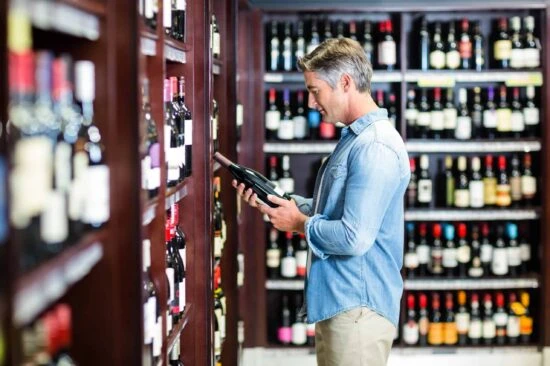

Business owners of liquor stores have particular difficulties in the fast-paced retail world of today. With hundreds, if not thousands, of products in varying sizes, flavors, and brands, managing a liquor store requires precision and efficiency. A modern Point of Sale (POS) system tailored for liquor stores can simplify operations and offer owners tools that make day-to-day management more streamlined and effective. From sales tracking to inventory control, here’s how a POS system benefits liquor stores.
Enhanced Sales Tracking
One of the core functions of a POS system is to accurately track sales data, and for liquor stores, this is crucial. By recording each transaction, a liquor store POS system provides valuable insights into sales trends, customer preferences, and peak hours. This allows owners to make data-driven decisions, such as knowing which products sell the most on weekends, understanding seasonal demand shifts, or identifying slow-moving items. With this data at hand, liquor store owners can strategically plan promotions or discounts, ensuring popular products are always available and freeing up shelf space from less popular items.
Sales tracking also helps build customer loyalty. Many POS systems come with features that allow stores to create customer profiles and track purchase history and preferences. This can be invaluable for recommending new products or creating personalized offers, which can enhance the customer experience and increase the likelihood of repeat visits. Furthermore, sales data from POS systems can help in spotting trends, such as growing demand for specific products like craft beers or premium spirits, enabling store owners to respond quickly and stay ahead of customer expectations.
Improved Inventory Control
Inventory management in liquor stores can be complex. The variety of items, the range of alcohol types, and the importance of age-sensitive products require meticulous tracking. A POS system tailored to liquor stores simplifies this by automating inventory management. Every time a product is sold, the system automatically updates the inventory count, helping owners avoid stockouts or overstock situations. This real-time inventory control helps prevent costly mistakes, such as running out of popular items or having too many unsold products sitting on the shelves.
Additionally, many POS systems include features that alert store owners when stock is running low. This enables proactive reordering, so the store is always stocked with essential items. Automated inventory tracking also reduces the need for manual counting, saving time and reducing human error. Owners of liquor stores may concentrate on expanding their businesses rather than worrying about possible stock problems when inventory management is done well.
Simplified Compliance With Age Verification
Selling age-restricted products requires liquor stores to maintain compliance with legal age restrictions. Many POS systems come equipped with ID scanning or age-verification prompts, ensuring that employees check identification when necessary. This feature not only protects the store from potential fines but also fosters a responsible approach to alcohol sales. By having an integrated age-verification process, POS systems make compliance seamless, reducing the risk of accidental sales to underage customers.
Streamlined Reporting For Better Business Insights
Owners of liquor stores can receive extensive reports that provide a thorough understanding of their business using a point-of-sale system. These reports can cover everything from sales figures and profit margins to inventory turnover rates and employee performance. For a liquor store, understanding what sells and what doesn’t is invaluable. For instance, a report might reveal that premium wines are popular among weekend shoppers or that certain craft beers sell well during specific times of the year. These insights can guide purchasing decisions, inform marketing strategies, and even help plan seasonal events or promotions.
Moreover, POS reports can help owners track and measure profitability across different product categories. With a clear understanding of which products yield the highest margins, liquor store owners can focus on stocking items that maximize profits. Additionally, these insights can support better budgeting, helping owners allocate resources more effectively.
Enhanced Efficiency And Customer Experience
POS systems streamline various store functions, helping improve efficiency. Employees in liquor stores can concentrate on providing excellent customer service by using a point-of-sale (POS) system to automate repetitive operations, provide sales data quickly, and reduce the amount of time spent on manual inventory checks. Faster transactions and reduced waiting times at the register create a more pleasant shopping experience, increasing the chances of customer satisfaction and repeat visits.
Furthermore, with many POS systems offering integrated loyalty programs, liquor stores can reward repeat customers with discounts, exclusive deals, or member-only events. In the end, this helps the firm by creating a foundation of devoted customers and promoting more regular purchases.
Conclusion
For liquor store owners, a POS system is more than just a sales tool – it’s a powerful asset that drives efficiency, enhances customer service, and provides crucial business insights. A POS system designed specifically for a liquor store can streamline operations and foster business expansion by automating inventory control and analyzing sales trends. As liquor stores face increasing competition, investing in a robust POS system becomes a strategic advantage, enabling owners to better understand their business and meet the evolving needs of their customers. In today’s competitive market, a well-chosen POS system is essential for any liquor store looking to succeed and thrive.











Sign in to leave a comment.