
Introduction
An Islamic Secondary School for Boys is more than just a place of academic instruction — it is a sanctuary where young men are shaped into responsible, well-rounded, and confident individuals who embrace both their faith and the modern world. These schools provide a balance between strong academic achievement and spiritual growth, preparing students not only for further education and careers but also for life as active contributors to society.
In this blog, we will explore what makes Islamic secondary schools for boys unique, their role in the modern education system, and why many parents choose them for their children’s development.
The Role of Islamic Education in Modern Times
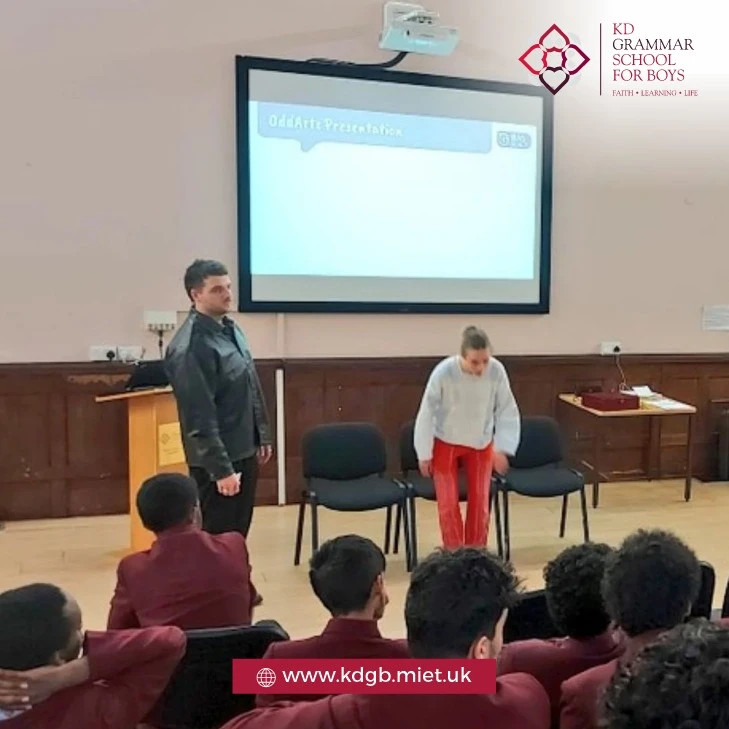
Islamic education has always been centered on producing well-rounded individuals who are spiritually conscious and intellectually capable. For boys entering their teenage years, having access to an Islamic educational environment provides structure, guidance, and positive role models.
Secondary schools dedicated to boys are particularly beneficial as they create a focused environment tailored to their learning and social development. They instill Islamic values, discipline, and leadership qualities while ensuring students excel in subjects like mathematics, science, English, and the humanities.
Academic Excellence with Faith-Based Guidance
One of the misconceptions about Islamic secondary schools is that they may prioritize faith at the expense of academic standards. In reality, most Islamic schools in the UK — including those for boys — follow the UK National Curriculum. This ensures students are fully prepared for GCSE examinations and progression to sixth form colleges or universities.
The difference lies in the way these subjects are taught. Academic excellence is pursued alongside a moral compass guided by Islamic principles. Lessons often emphasize honesty, respect, justice, and compassion — values that help students navigate not only their studies but also their future careers.
Strong Islamic Curriculum
At an Islamic Secondary School for Boys, the curriculum goes beyond traditional subjects. Students also engage in:
Islamic Studies: covering Qur’an, Hadith, Fiqh, Seerah, and Islamic history.
Qur’an Memorisation (Hifz): giving boys the opportunity to strengthen their connection with the Qur’an.
Arabic Language: enabling them to better understand Islamic texts.
Practical Faith: daily prayers, assemblies, and Islamic discussions that encourage students to live their faith.
This combination creates an environment where students are not forced to choose between religious and academic growth — they achieve both.
Developing Character and Leadership
A key focus of Islamic schools for boys is Tarbiyyah (character development). The teenage years are crucial for shaping personality, discipline, and responsibility. An Islamic environment reinforces values such as respect for parents, responsibility toward community, and integrity in personal and professional life.
Leadership opportunities are also embedded in school life. Student councils, debates, sports teams, and charity initiatives encourage boys to step forward as leaders while embodying Islamic ethics. This ensures they leave school not just as good students but as confident, community-minded individuals.
Safe and Supportive Environment
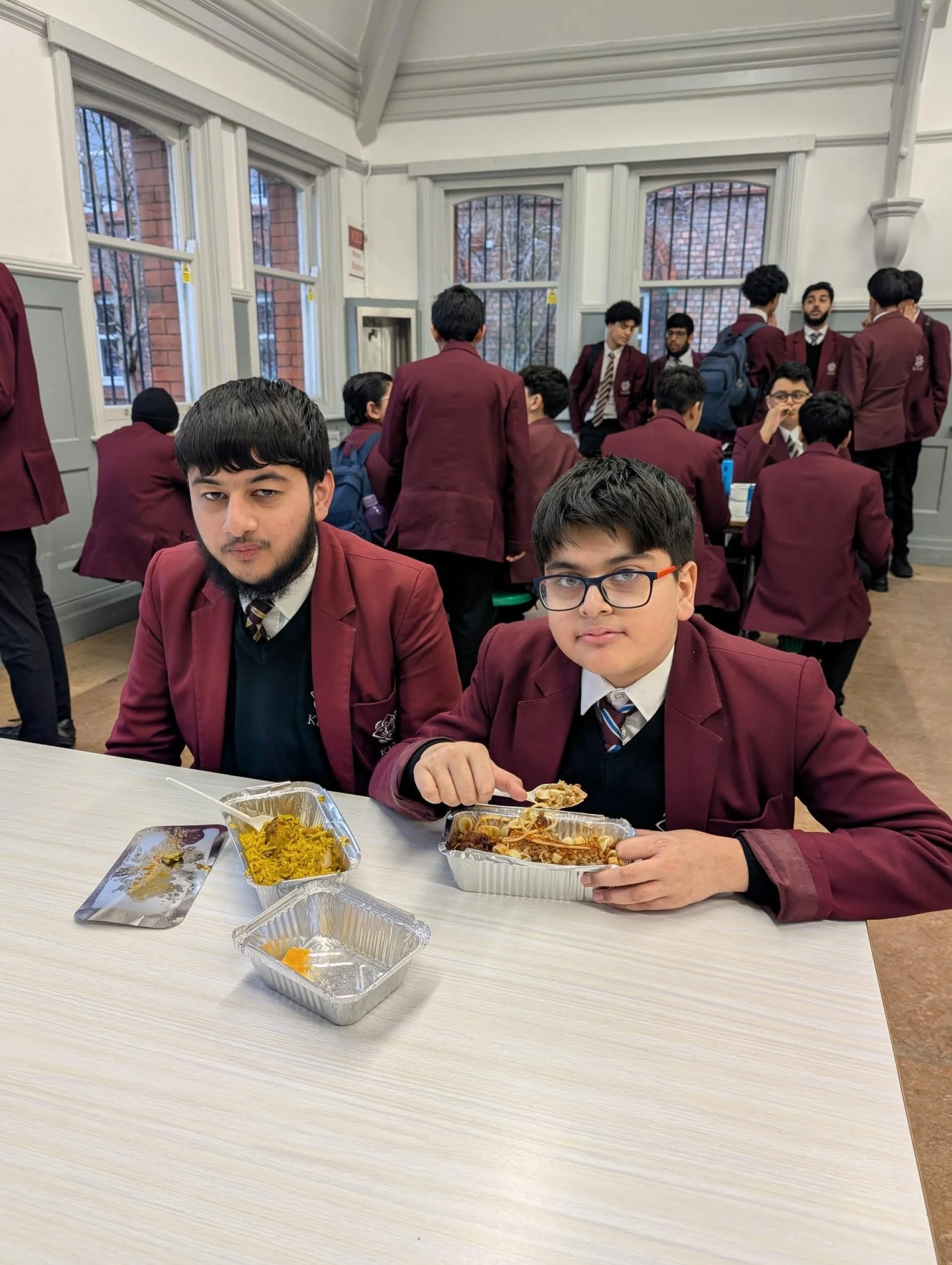
Boys-only schools provide an atmosphere free from distractions common in mixed environments, allowing students to focus on personal growth. Teachers often act as mentors, guiding boys through challenges both academic and personal. For many parents, this supportive Islamic atmosphere provides reassurance that their children are being raised with both discipline and compassion.
Extracurricular Activities and Community Engagement
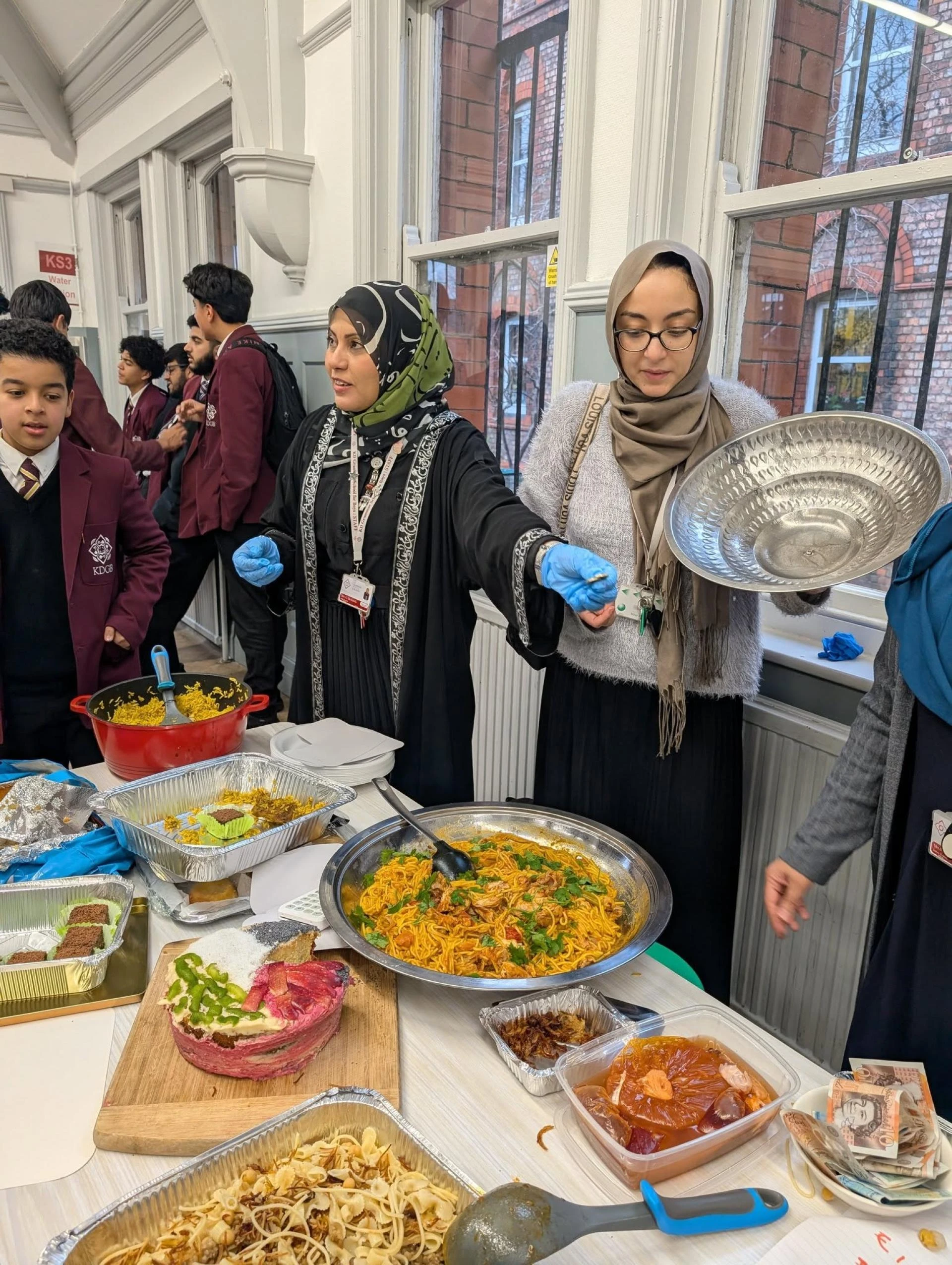
Islamic secondary schools for boys are not limited to academics. Sports, arts, and cultural programmes help students develop creativity, teamwork, and resilience. Many schools also encourage community service projects, charity fundraising, and interfaith events, fostering social responsibility and awareness of global issues.
Why Parents Choose Islamic Secondary Schools for Boys
Parents who enroll their sons in Islamic secondary schools often cite several reasons:
Faith-Based Learning: Ensures their children grow with strong Islamic values.
Moral and Academic Balance: Combines high educational standards with spiritual growth.
Positive Role Models: Male teachers and mentors provide guidance for young men.
Community Belonging: Creates an environment where students feel proud of their Muslim identity.
Future Preparedness: Students leave school academically strong and spiritually grounded.
Challenges and Opportunities
Like all schools, Islamic secondary schools for boys face challenges such as limited resources, balancing curriculum requirements, and combating misconceptions in wider society. However, they also present immense opportunities to showcase the excellence of faith-driven education and to produce graduates who excel in universities, professions, and community leadership.
Conclusion
An Islamic Secondary School for Boys provides much more than classroom knowledge — it shapes the hearts, minds, and futures of young men. By blending academic rigour with Islamic values, these schools nurture future leaders who are confident in their identity, committed to their faith, and prepared to succeed in every field of life. For parents seeking the best of both worlds — deen and dunya — Islamic secondary schools for boys are an invaluable choice.










Sign in to leave a comment.