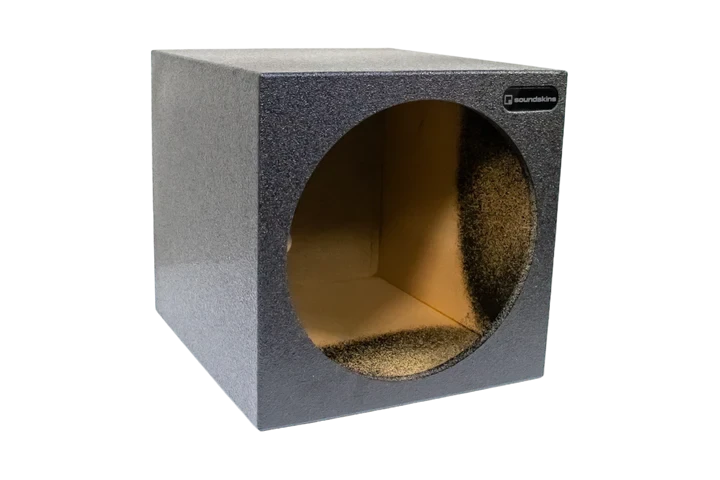

For car audio enthusiasts, few things are as satisfying as deep, well-defined bass. The subwoofer plays a crucial role in delivering this experience, but equally important is the enclosure it sits in. Among the various types of subwoofer boxes available, the sealed 12-inch sub box stands out for its ability to produce tight, accurate, and controlled bass. Unlike ported or bandpass enclosures, sealed boxes offer a pure and balanced sound that appeals to audiophiles and casual listeners alike. In this guide, we will explore why sealed enclosures are a top choice, how they work, and what to consider when selecting the right one for your system.
Why Choose a Sealed 12-Inch Subwoofer Box?
Sealed subwoofer enclosures, also known as acoustic suspension enclosures, are designed to be airtight, allowing the subwoofer to move in a controlled manner. This results in precise and distortion-free bass that complements a wide range of music genres. Whether you enjoy hip-hop, rock, electronic, or classical music, a sealed 12-inch subwoofer box can enhance your audio system by delivering a deep and immersive listening experience.
Key Benefits of a Sealed Enclosure
- Tight and Accurate Bass Response
- Sealed enclosures provide clean and well-defined bass that avoids the excessive boominess often associated with ported enclosures. The air trapped inside the box acts as a natural suspension system, ensuring precise sound reproduction.
- Compact and Space-Efficient Design
- Compared to ported or bandpass enclosures, sealed boxes require less space, making them ideal for vehicles with limited room. They can easily fit in trunks, under seats, or in tight spaces without compromising performance.
- Consistent Performance Across Different Frequencies
- A sealed sub box offers a flatter frequency response, meaning it can handle various types of music without exaggerating certain bass frequencies. This makes it a great option for those who want an all-around balanced sound.
- Less Distortion at Higher Volumes
- Because sealed enclosures restrict excessive movement of the subwoofer cone, they minimize distortion and resonance, even at high output levels. This leads to a cleaner and more controlled bass experience.
- More Power Handling Capability
- Since sealed enclosures do not rely on ports to enhance bass output, they generally require more power from an amplifier to achieve high sound levels. While this might seem like a drawback, it also means that with a powerful amp, you can achieve incredibly strong and clean bass.
How a Sealed 12-Inch Sub Box Works
The key to a sealed enclosure’s performance lies in its design. The airtight nature of the box controls the movement of the subwoofer cone, preventing excessive excursion. This allows the subwoofer to reproduce low frequencies accurately while reducing unwanted resonance and vibrations.
When a subwoofer moves forward, it compresses the air inside the enclosure. When it moves backward, the air inside the box expands. This pressure helps maintain a smooth and controlled bass response, making the sound tight rather than boomy.
Unlike ported enclosures, which use an opening to reinforce certain frequencies, sealed enclosures create a more natural and linear sound curve. This is why many audiophiles prefer sealed sub boxes for their balanced and immersive bass performance.
Choosing the Right Sealed 12-Inch Subwoofer Box
1. Material Quality
A well-constructed subwoofer box ensures durability and optimal sound performance. Look for enclosures made of MDF (Medium-Density Fiberboard), as it provides excellent rigidity and prevents sound distortion. Avoid thin or poorly built materials that can lead to unwanted vibrations.
2. Internal Volume and Airspace
The internal volume of a sealed box is critical in determining how the subwoofer will perform. Most 12-inch subwoofers require 1.0 to 1.5 cubic feet of internal volume for optimal performance. Always check the manufacturer’s recommendations for the ideal airspace.
3. Sealing and Construction
Since the box must be airtight, ensure that all seams are properly sealed to prevent air leaks. Using high-quality adhesives and internal bracing can improve durability and maintain the integrity of the enclosure.
4. Shape and Placement Considerations
Consider where you will be installing the sub box in your vehicle. Some enclosures are designed for trunk installations, while others fit under seats or against rear seats. Make sure the shape and dimensions match your available space.
5. Single vs. Dual Subwoofer Configuration
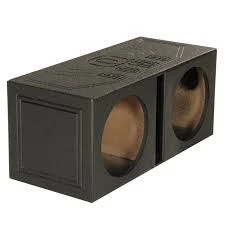
If you want more bass output, you may consider a dual 12-inch sealed enclosure. However, for a balanced and controlled sound, a single 12-inch subwoofer in a sealed box is often sufficient.
Installation Tips for Maximum Performance
1. Choose the Right Amplifier
Since sealed enclosures require more power to reach high sound levels, pairing your subwoofer with a high-quality amplifier is essential. Make sure the amp’s power output matches the subwoofer’s RMS wattage to avoid underpowering or overpowering it.
2. Positioning Matters
The placement of the sub box in your vehicle can affect sound quality. Facing the subwoofer towards the rear of the car or trunk can enhance bass response, while under-seat placement offers a more subtle effect.
3. Use Sound Deadening Material
To prevent rattles and vibrations, consider adding sound deadening materials to the trunk or surrounding areas. This will help improve bass clarity and reduce unwanted noise.
4. Check Wiring and Connections
Proper wiring ensures optimal power delivery. Use high-quality oxygen-free copper wires and secure all connections to prevent signal loss or distortion.
5. Fine-Tune Your System
Adjusting the crossover settings, equalizer, and gain controls on your amplifier can help you achieve the perfect balance between bass impact and clarity.
Sealed vs. Ported: Which One is Best for You?
While sealed subwoofer boxes provide tight and controlled bass, ported enclosures offer higher output and efficiency. Here’s a quick comparison to help you decide:
- Sealed Enclosure: Ideal for listeners who prioritize accuracy, clarity, and natural bass reproduction.
- Ported Enclosure: Best for those who want maximum volume and deeper bass with less power consumption.
If you enjoy balanced bass for all music genres, a sealed 12-inch subwoofer box is the way to go.
Conclusion
A sealed 12-inch subwoofer box is one of the best ways to achieve deep, controlled, and high-quality bass in a car audio system. Its compact design, precise sound reproduction, and consistent performance make it a favorite among audiophiles and music lovers alike. Whether you are upgrading your system or building a new one, investing in a well-built sealed enclosure will ensure you get the best bass experience possible. By choosing the right materials, proper amplifier pairing, and optimal installation, you can enjoy a truly immersive and powerful audio setup in your vehicle.










Sign in to leave a comment.