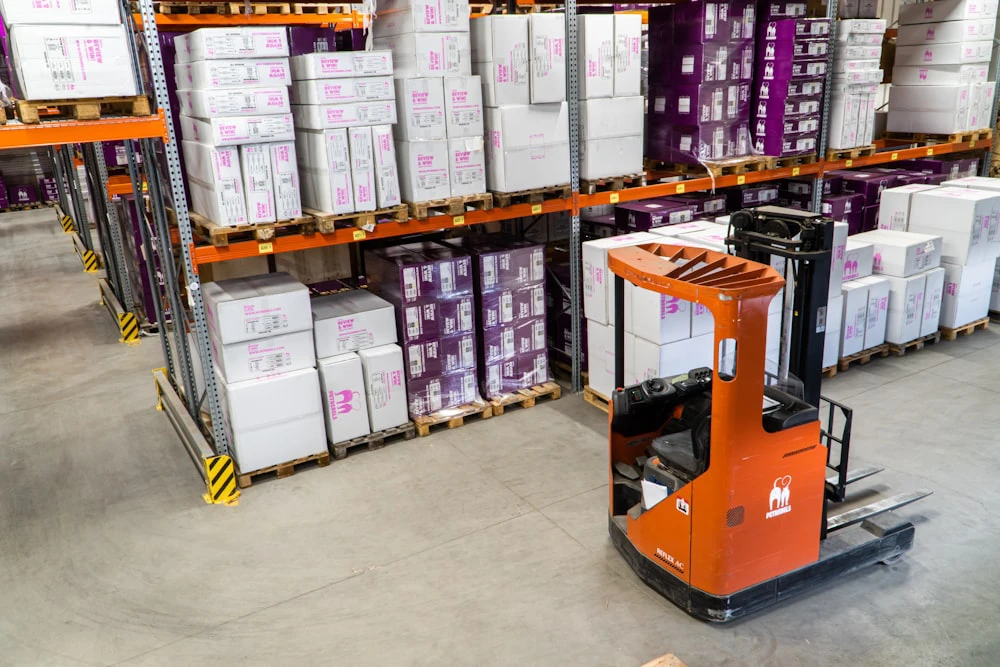

In today’s global marketplace, supply chains are more complex and interconnected than ever. From raw materials to finished products, each step in the supply chain must be managed carefully to ensure efficiency and reliability. One critical aspect of this process is contract packaging, which plays a significant role in risk management.
This blog explores how contract packaging can secure supply chains and mitigate risks effectively.
Understanding Contract Packaging

Contract packaging refers to outsourcing the packaging process to specialized companies. These firms take on the responsibility of packing products, allowing manufacturers to focus on their core competencies. Contract packaging services can include everything from design and prototyping to production and distribution. By utilizing contract packaging, businesses can streamline their operations, improve product quality, and reduce costs.
Enhancing Supply Chain Flexibility
One of the main advantages of contract packaging is the flexibility it offers to supply chains. Companies can adapt to changing market demands more efficiently without the burden of investing in packaging infrastructure. This flexibility is particularly important in industries with fluctuating demand or seasonal variations. By partnering with contract packaging providers, businesses can quickly scale their packaging operations up or down, ensuring they meet customer needs without overextending resources.
Mitigating Risks in Production
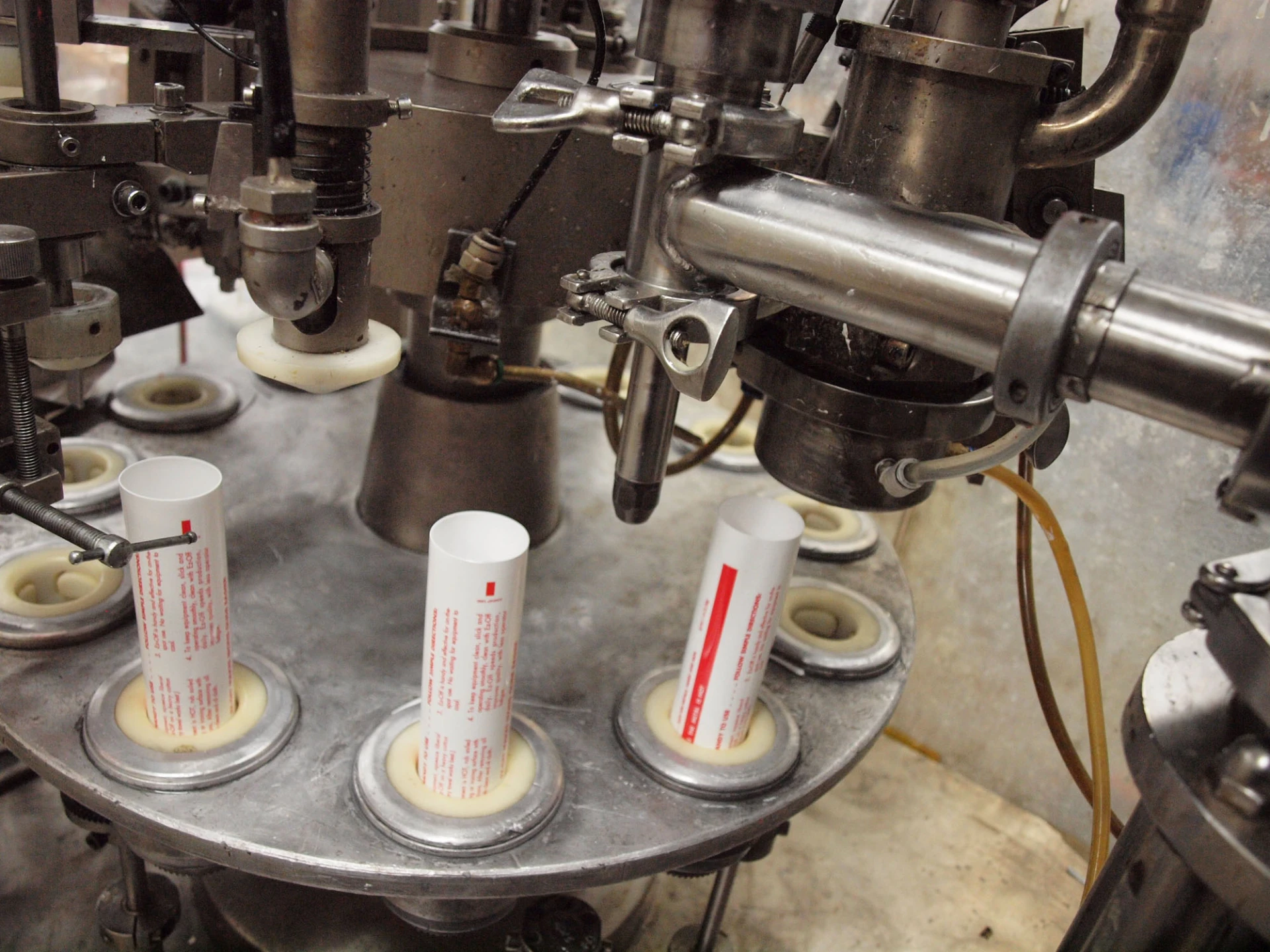
Contract packaging also plays a vital role in reducing production risks. With the right packaging partner, businesses can enhance quality control measures and ensure compliance with industry regulations. Reputable contract packaging companies have established quality assurance protocols, which help minimize defects and ensure that products are packaged correctly and safely. This is especially crucial for industries like pharmaceuticals and food, where regulatory compliance is mandatory.
In addition, contract packagers often invest in the latest technology and equipment, ensuring that products are packaged using state-of-the-art methods. This commitment to quality helps protect brands from potential recalls, legal issues, and damage to reputation that can arise from improperly packaged products.
Ensuring Supply Chain Resilience

The COVID-19 pandemic highlighted vulnerabilities in global supply chains, forcing businesses to rethink their risk management strategies. One significant lesson learned is the importance of resilience. Contract packaging can enhance supply chain resilience by providing businesses with access to a network of resources and expertise.
When disruptions occur, such as natural disasters, transportation delays, or shortages of raw materials, contract packaging firms can help businesses pivot quickly. They often have alternative suppliers, logistics solutions, and contingency plans in place, allowing for swift adjustments to maintain production and distribution schedules. This adaptability is essential for companies looking to secure their supply chains against unforeseen events.
Reducing Costs and Improving Efficiency
Another critical aspect of contract packaging is cost reduction. By outsourcing packaging operations, companies can save on labor, equipment, and overhead expenses associated with in-house packaging. These savings can then be reinvested in other areas of the business, enhancing overall operational efficiency.
Contract packagers also have experience in optimizing packaging processes, often resulting in faster turnaround times and reduced waste. This efficiency is particularly beneficial for businesses aiming to streamline their supply chains while minimizing environmental impact. By using sustainable packaging materials and practices, contract packagers can help companies meet their sustainability goals while maintaining cost-effectiveness.
Building Strong Partnerships
Securing supply chains through contract packaging also involves building strong partnerships between manufacturers and packagers. A collaborative relationship allows both parties to share insights, address challenges, and develop solutions that benefit the entire supply chain. This collaboration is crucial for ensuring transparency and communication, which are vital in managing risks effectively.
Regular meetings, joint planning sessions, and open lines of communication can help both parties stay aligned on goals and expectations. This proactive approach fosters a culture of accountability and responsibility, ensuring that risks are identified and addressed promptly.
Innovating Packaging Solutions
As consumer preferences evolve, so do packaging requirements. Contract packaging companies are often at the forefront of packaging innovation, developing new solutions that meet changing market demands. By leveraging the expertise of contract packagers, businesses can stay ahead of trends and ensure their products are packaged in a way that resonates with consumers.
For instance, the rise of e-commerce has created a need for packaging that is not only protective but also visually appealing. Contract packagers can provide innovative packaging designs that enhance the unboxing experience, making products more attractive to consumers. This innovation not only secures the product during transit but also strengthens brand loyalty and customer satisfaction.
Final Thoughts
As supply chains continue to grow in complexity, the role of contract packaging in risk management becomes increasingly vital. By enhancing flexibility, ensuring quality, improving efficiency, and fostering strong partnerships, contract packaging can significantly reduce risks and enhance supply chain resilience.
Companies that invest in contract packaging are better equipped to navigate challenges and adapt to changes in the market. As the landscape of global trade evolves, businesses that prioritize contract packaging as part of their risk management strategy will be well-positioned for success in the future.
Protect Your Business with Reliable Contract Packaging Solutions from Custom Pak Illinois
Ensure your products shine with turnkey packaging programs at Custom Pak Illinois. As a leading packaging services company, they offer quality packaging solutions, including contract filling services. Trust the top contract packaging services companies for efficient co-packing solutions today! Contact them now to learn more.













Sign in to leave a comment.