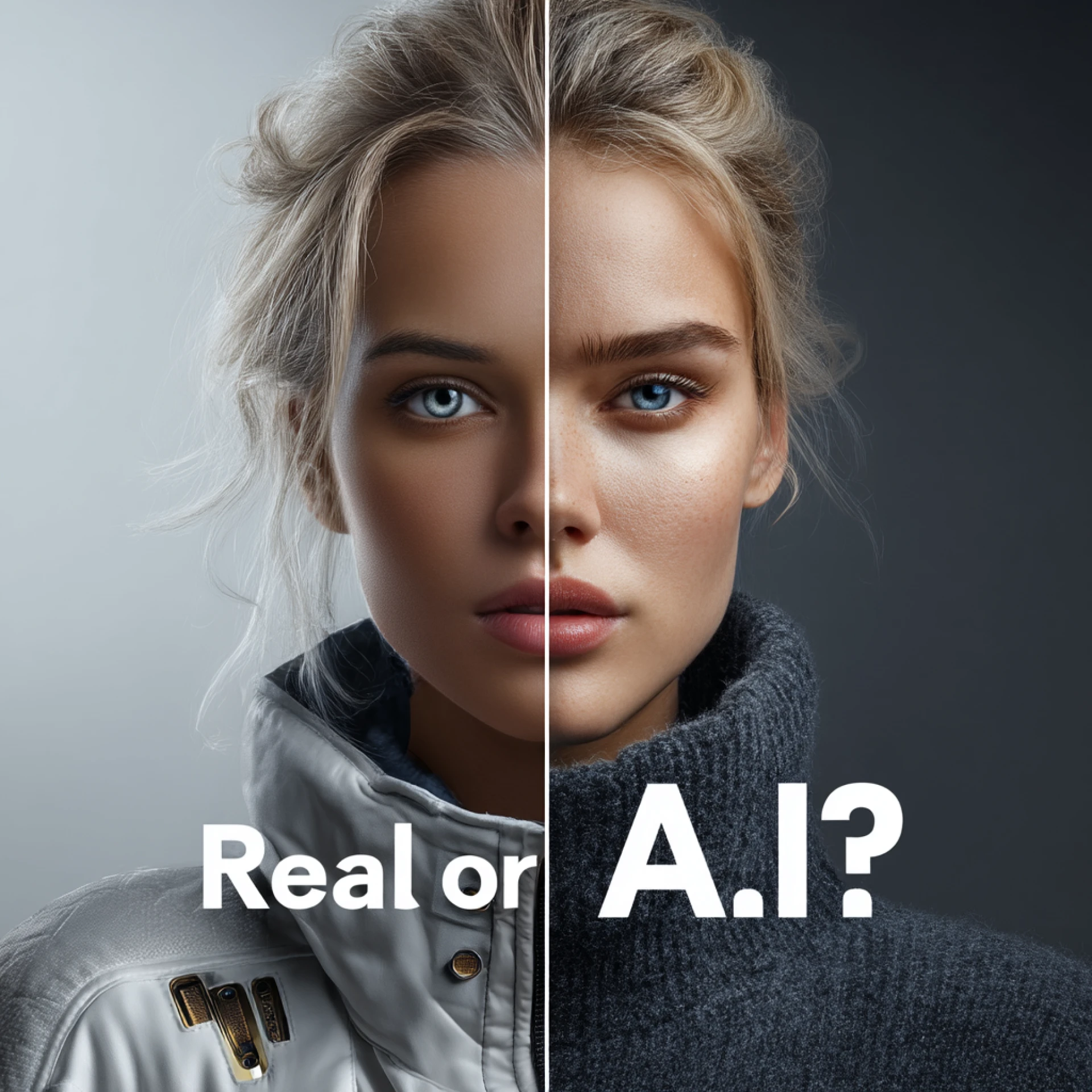

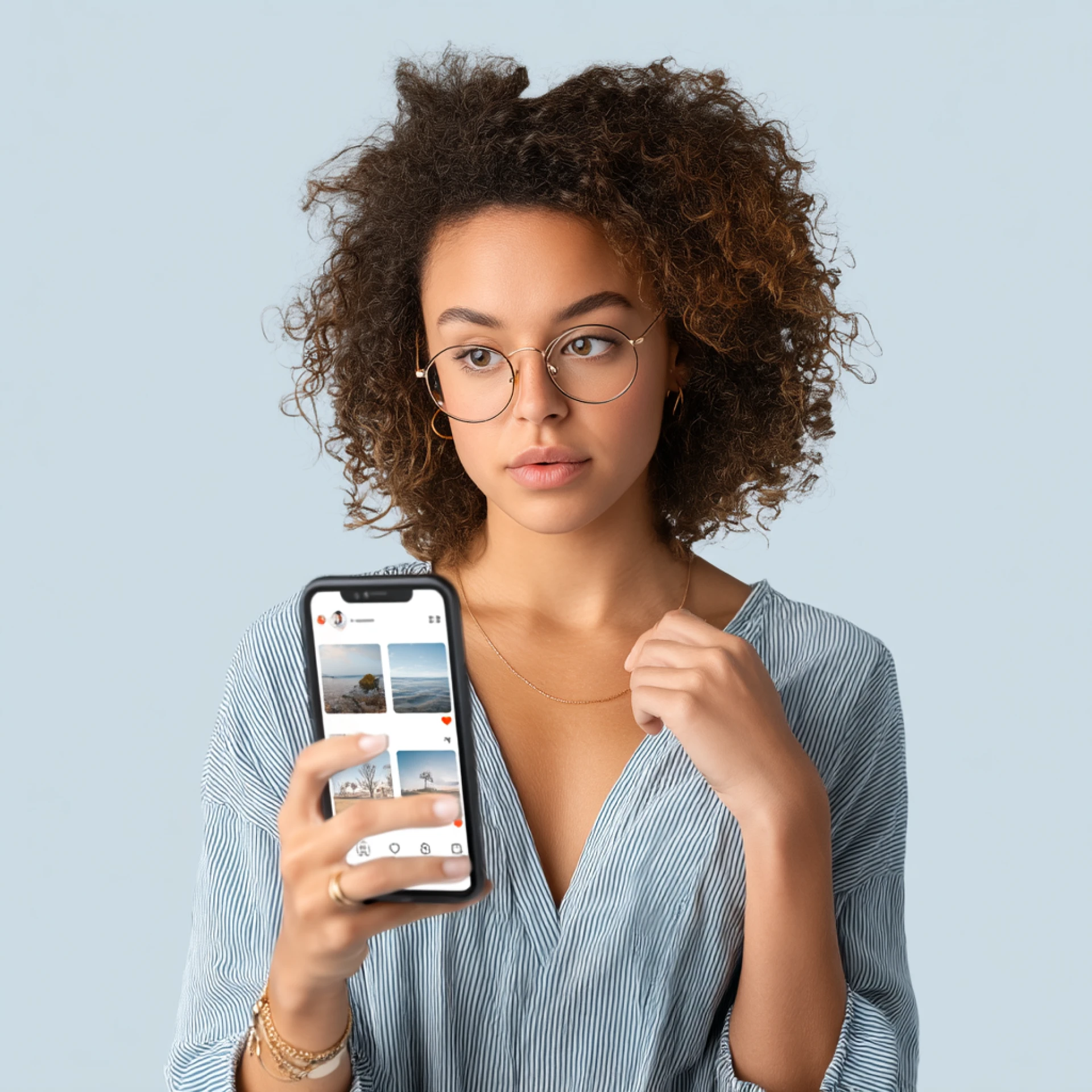
We scroll through hundreds of photos every day — portraits, travel shots, product images — and most of the time we trust what we see. But in 2025, trust has become complicated. Artificial Intelligence can now create visuals so realistic that they don’t just look real, they feel real. That’s powerful for creators, but risky for anyone who assumes every picture equals truth.
This post is a simple, practical guide to help you verify whether an image is genuine or AI-made.
Why This Matters
Images shape opinion, sell products, and influence trust online. AI-generated visuals are being used in marketing, news, and even scams. Learning how to question what you see isn’t optional anymore — it’s essential for credibility and digital safety.
Quick Red Flags to Spot AI Images
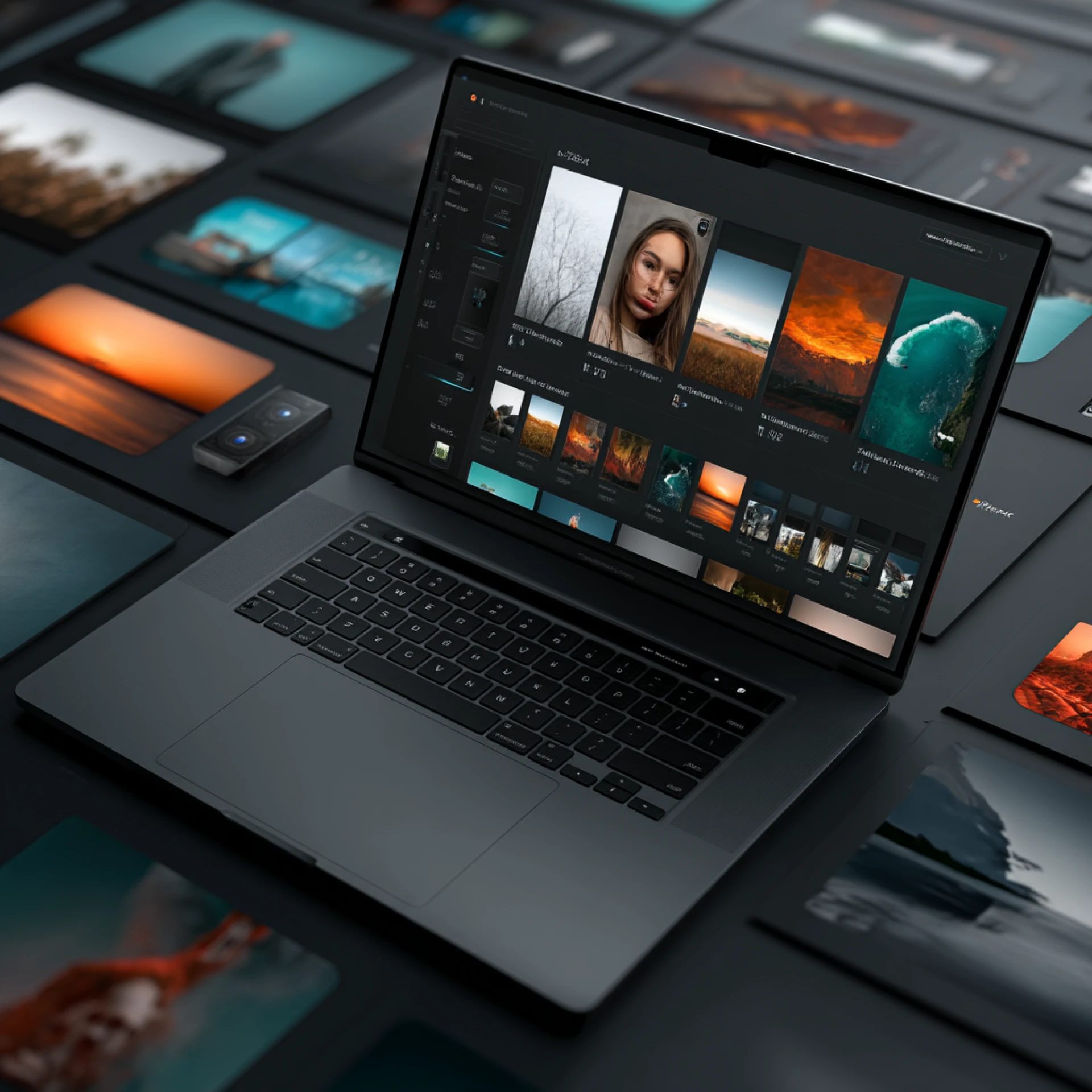
AI is impressive, but it leaves clues. Here are common giveaways:
- Hands and fingers: extra, missing, or unnaturally bent.
- Text in photos: street signs or book covers with scrambled or misspelled words.
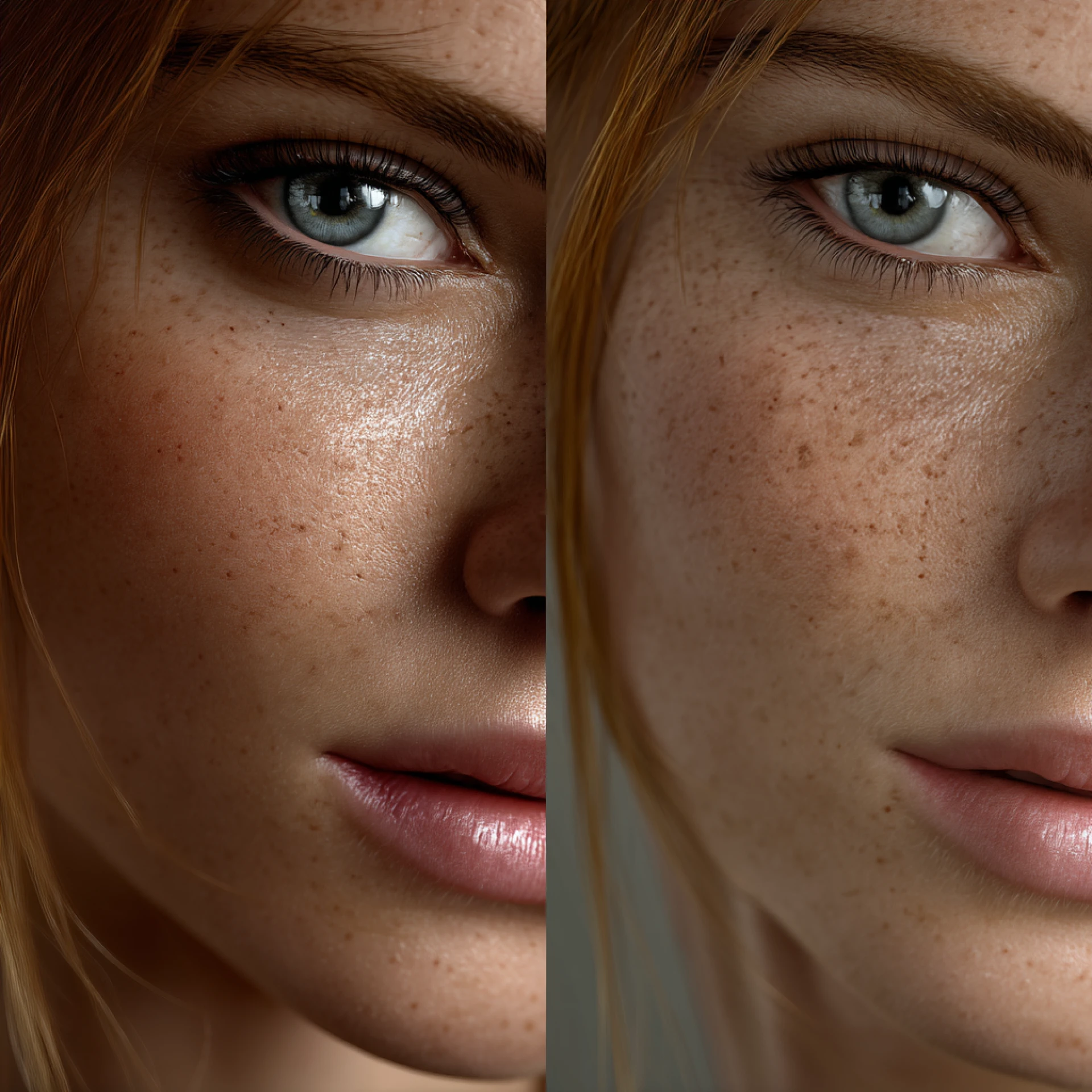
- Faces: overly smooth skin, mismatched earrings, or odd reflections in eyes.
- Backgrounds: warped architecture, floating objects, or shadows that don’t align.
- Perfection overload: if the image looks too perfect to be true, it probably is.
If something feels off but you can’t explain why, trust that instinct — your brain often notices flaws before your conscious mind catches them.
A Step-by-Step Verification Workflow
Whether you’re a developer, content creator, or casual social media user, use this workflow to check images quickly:
- Zoom in → Inspect eyes, hands, text, and background edges.
- Reverse image search → Use Google Lens, TinEye, or Bing Visual Search.
- Check metadata → Many real photos contain EXIF data; AI images often don’t.
- Use forensic tools → Free platforms like Forensically can reveal edits.
- Disclose when unsure → A short note like “Image provenance unverified” builds trust.
Tools Worth Trying
- Google Lens & TinEye for reverse image search.
- Forensically / FotoForensics for deeper inspection.
- Content Credentials (C2PA) for checking provenance when available.
- Truepic or certified capture apps for enterprise-level authenticity.
Why Brands and Creators Should Care
- For developers and writers → credibility depends on visual truth.
- For brands → avoiding fake imagery prevents reputation damage.
- For parents and educators → teaching media literacy protects the next generation.
- For creators → understanding AI’s strengths and limits makes your work stronger.
The Future of Image Verification
We’re entering an era where detection tools, browser extensions, and content credentials will become standard. Schools may start teaching “AI image literacy” just like media literacy. And brands will likely showcase both AI and real images transparently to build audience trust.
Final Thoughts
The old advice was: Don’t believe everything you read.
Today, it’s: Don’t believe everything you see.
Next time you come across a flawless photo online, pause for a second. Ask: is this a moment captured by a camera, or the imagination of a machine?
Being able to verify images isn’t a niche skill anymore. It’s part of being a smart, trustworthy digital citizen in 2025.








Sign in to leave a comment.